
Meta CEO Zuckerberg warns US shouldn’t ban Chinese AI models
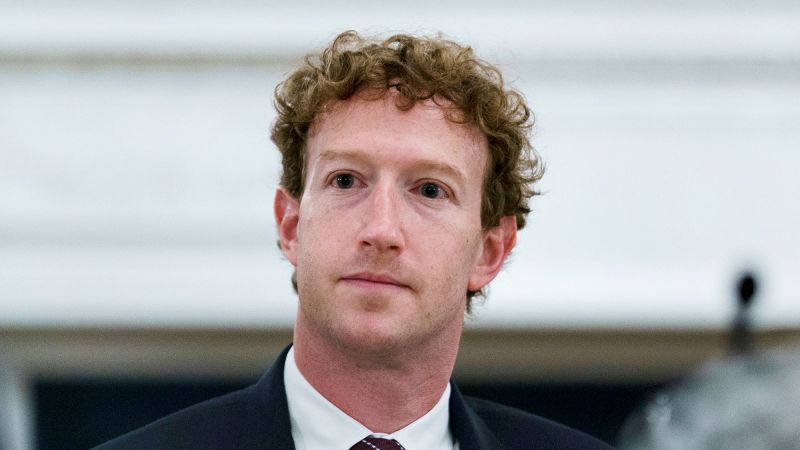
Meta CEO Zuckerberg warns US shouldn’t ban Chinese AI models amid growing tech rivalry
Earthguardiansonline.com – Meta CEO Zuckerberg warns US shouldn’t — The United States government should not implement a comprehensive ban on Chinese artificial intelligence models in its efforts to secure dominance in the rapidly evolving technological landscape, according to Meta chief executive Mark Zuckerberg. Speaking to the Financial Times, Zuckerberg cautioned that blocking Chinese AI technologies would not constitute “an effective solution” for American competitiveness. Instead, he recommended that US companies should “systematically” identify bottlenecks and roadblocks within their own ecosystems to better compete with increasingly sophisticated Chinese AI firms. His comments, published in an interview on Wednesday, arrive during an intense debate in Washington regarding how the US should regulate fast-developing artificial intelligence while responding to China’s growing technological prowess.
The Moonshot AI controversy and IP concerns
Complicating the regulatory landscape, several senior Trump administration officials have asserted that China’s Moonshot AI covertly utilized American rival companies to train its latest model, Kimi K3. Moonshot AI has firmly denied these allegations, maintaining that its training processes comply with international standards. This controversy has heightened concerns about intellectual property protection in the global AI race. US Treasury Secretary Scott Bessent warned last week that “sanctions” could be considered if Chinese laboratories “cross the line into IP theft,” signaling potential economic consequences for companies found guilty of improper data acquisition.
“A ban on Chinese AI models would not be an effective solution,” Zuckerberg told the Financial Times, emphasizing the need for strategic identification of domestic bottlenecks rather than isolationist policies.
The IP concerns come alongside broader US efforts to protect national security through import restrictions. On Tuesday, the US government announced it would ban new humanoid and quadruped robot imports from foreign manufacturers, warning that these devices pose “unacceptable risks” to US national security. This regulatory action reflects Washington’s growing vigilance regarding foreign technology entering American markets, particularly in sectors deemed critical to future economic and military competitiveness.
Broader implications for US-China tech competition
The robot import ban also encompasses power converters used to connect renewable energy infrastructure and batteries to the power grid, demonstrating the comprehensive nature of US efforts to safeguard domestic industries. These new US restrictions, which exclude models already in active use, represent the latest attempt by Washington to bolster and protect its domestic industries and supply chains. The restrictions come amid an intensifying rivalry with China to dominate advanced technology and artificial intelligence sectors that will define the next decade of global economic power.
Zuckerberg’s position highlights a nuanced approach to the AI competition, suggesting that rather than erecting barriers, American companies should focus on internal improvements and innovation. His comments reflect growing recognition among technology leaders that the US-China AI race requires both defensive measures and proactive investment in domestic capabilities. The debate continues as policymakers weigh the benefits of protecting American interests against the potential costs of limiting access to cutting-edge foreign technology.
As the regulatory landscape evolves, industry observers note that the outcome of these policy decisions could significantly impact the global distribution of AI capabilities. The tension between security concerns and technological advancement remains at the forefront of international relations, with both nations investing heavily in their respective AI ecosystems. CNN’s John Liu contributed reporting to this article.
Frequently Asked Questions
What did Mark Zuckerberg specifically recommend regarding Chinese AI models? Zuckerberg recommended that the US should not ban Chinese AI models but instead systematically identify and address bottlenecks within American companies to improve competitiveness.
What is the connection between Moonshot AI and the US government’s concerns? Senior Trump administration officials claim Moonshot AI used US rival companies to train its Kimi K3 model, raising intellectual property concerns that could lead to sanctions.
What types of robots are included in the new US import ban? The ban covers new humanoid and quadruped robot imports from foreign manufacturers, along with power converters for renewable energy infrastructure and battery connections.
When was Zuckerberg’s interview with the Financial Times published? The interview was published on Wednesday, coinciding with heightened discussions in Washington about AI regulation and Chinese competition.
