America is in the middle of the biggest property tax revolt in 50 years

America is in the middle of the biggest property tax revolt in 50 years
Oviedo’s Struggle with Rising Costs
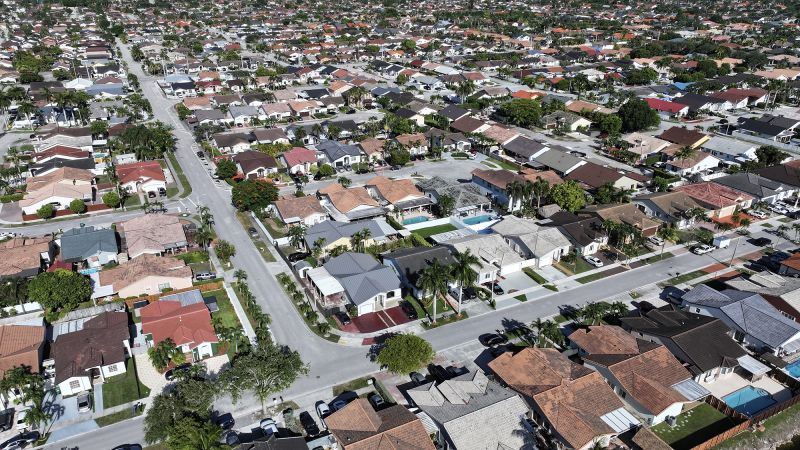
America is in the middle – Oviedo, a suburban area just outside Orlando, has struggled for over a decade to secure funding for a new police station. The current 36-year-old facility, plagued by cracked windows and outdated infrastructure, has become a symbol of fiscal strain. Its cramped layout struggles to accommodate the city’s expanding police force, forcing officers to share space with equipment and administrative staff. Despite these challenges, Oviedo has finally finalized plans for a modern $18 million station, complete with officer training areas and designated spaces for K-9 units. However, the city’s long-term plans may be in jeopardy. If a proposed ballot amendment passes, Oviedo could face the possibility of dissolving its police department altogether.
The Ballot Amendment and Its Implications
In November, Florida voters will weigh a ballot measure that could exempt 60% of residents from property tax rolls. This reform, which would significantly reduce the state’s reliance on property taxes, is gaining traction amid growing public dissatisfaction. For Oviedo, property taxes account for half of its annual revenue, funding critical services like police, fire, and parks. If the amendment is approved, the city might be forced to halt its police station project and transfer responsibility to Seminole County. “What kind of fools would we be to invest in a police station when we don’t know whether we can afford to operate a police department?” said Oviedo Mayor Megan Sladek during a CNN interview. Her words underscore the dilemma faced by local governments grappling with uncertain financial futures.
A National Shift in Tax Policy
Florida has emerged as the epicenter of a widespread property tax backlash, a movement that has gained momentum since the 1970s. Property taxes, long a cornerstone of local funding, now face mounting opposition from homeowners burdened by surging real-estate values. Since 2020, land and building values have climbed nearly 27% faster than inflation, leading to higher tax bills and widespread frustration. This sentiment has prompted 34 states to adopt property tax reforms between 2020 and 2025, according to the National Association of Counties. Among them, Ohio, Indiana, and Wyoming implemented direct tax cuts last year, signaling a broader ideological shift.
Push for Tax Exemptions and Fiscal Reform
The property tax revolt reflects a growing demand for equity in how local governments collect revenue. Advocates argue that exemptions for seniors, tipped workers, and low-income households could ease cost-of-living pressures. This push is not limited to one political side—both the right and left are advocating for such measures. For instance, Texas Governor Greg Abbott proposed eliminating school property taxes for homeowners, using the state’s budget surplus to compensate. Meanwhile, groups in North Dakota and Ohio are rallying to eliminate property taxes entirely, aiming to create a more affordable living environment.
Local Governments Face Uncertainty
The proposed Florida amendment could trigger a domino effect across local governments. With no personal income tax, counties rely heavily on property and sales taxes to fund essential services. While sales taxes fluctuate, property taxes provide a stable revenue stream. However, if the amendment passes, this stability could be disrupted. Some cash-strapped municipalities fear the measure would limit their ability to maintain services, forcing them to make tough choices. Others may attempt to offset losses by imposing higher taxes on renters, businesses, or second-home owners. “It would just be this crazy domino effect of messed up, unintended consequences,” Sladek warned, highlighting the potential ripple effects of the reform.
Homestead Exemption and Legislative Compromise
Florida’s legislature recently approved a narrower measure to increase the homestead tax exemption for primary residences from $50,000 to $250,000 by 2028. The exemption will rise in line with inflation annually, offering relief to homeowners while leaving commercial and rental properties vulnerable to increased assessments. This compromise, however, differs from Governor Ron DeSantis’s original proposal to abolish all property taxes. While the amendment protects public school funding, critics argue it falls short of fully addressing the crisis. “People should not be permanent renters to the government,” stated Hector Roos, chair of the Libertarian Party of Miami-Dade County, who views the measure as a step toward dismantling the property tax system.
Economic Pressures and Public Sentiment
Over the past three years, Florida’s property tax levies have surged by more than 40%, outpacing population growth and inflation. This rapid increase has intensified public discontent, particularly among homeowners who feel the burden is unfair. The proposed amendment aims to curb government spending by reducing the tax base, but it also risks shifting the financial burden to other groups. “It’s about making the state more affordable and holding government accountable,” Roos explained, emphasizing the reform’s potential to streamline local finances.
Financial Consequences for Counties
The Florida Association of Counties estimates that the amendment could result in $3.6 billion in losses for counties in 2027 and $6.4 billion in 2028. These figures underscore the scale of the challenge, as local governments may need to implement budget cuts or find alternative revenue sources. While some communities could adjust by targeting commercial properties, others might struggle to adapt. The reform also raises questions about the long-term viability of essential services, particularly in regions where property taxes have traditionally been the backbone of public funding.
A Broader Movement Across the Country
The push to reform property taxes is part of a larger trend reshaping American fiscal policy. As real-estate values climb and inflation outpaces income growth, homeowners are increasingly vocal in their demands. The Tax Foundation’s Jared Walczak noted this as a “new property tax revolt,” driven by the populist right and expanding to include progressive voices. The movement has forced traditional fiscal conservatives to reconsider their stance, as the link between property taxes and local decision-making is being redefined.
What’s Next for Florida?
With the November vote looming, the outcome of the ballot amendment will determine the future of property taxes in Florida. If approved, it could set a precedent for other states to follow, potentially altering the landscape of local governance. For Oviedo, the decision means reevaluating its priorities: whether to invest in a new police station or risk dismantling its department. As the debate intensifies, the broader implications for American cities remain uncertain. The amendment represents a bold experiment, but its success will depend on how local governments navigate the challenges ahead.
The property tax revolt in Florida highlights a critical turning point for local finance. By exempting 60% of residents from the tax rolls, the amendment aims to address inequities and ease the burden on families. Yet, it also introduces complexities that could test the resilience of municipal budgets. As the nation grapples with rising costs and shifting priorities, the outcome of this vote may serve as a blueprint for future reforms. Whether the measure will foster a more equitable system or create new financial challenges remains to be seen.