Dondurma: The stretchy, chewy ice-cream that never drips

Dondurma: The stretchy, chewy ice-cream that never drips
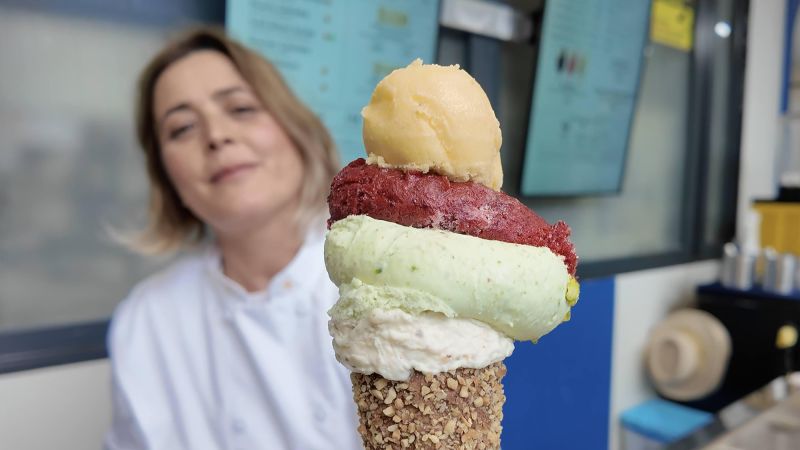
Dondurma – When it comes to frozen desserts, Turkey offers a unique experience that defies conventional expectations. At the heart of this culinary marvel is dondurma, a dessert that stands out not just for its vibrant flavors but for its astonishing texture. Unlike the creamy, soft textures of American-style ice cream or the dense richness of Italian gelato, dondurma is a tactile sensation in itself. Its stretchy quality, reminiscent of taffy, and its near-impenetrable resistance to melting make it a standout in the world of desserts. This resilience is attributed to a rare ingredient found only in Turkey: salep, a flour derived from the Dactylorhiza romana orchid. The combination of this natural substance with milk, beet sugar, and mastic creates a consistency that defies typical expectations, making dondurma a beloved staple in Turkish culture and a curiosity for travelers.
The Origins of Dondurma
Dondurma traces its roots back to the ancient city of Maraş, located in Turkey’s south-central Kahramanmaraş region, which is often considered the birthplace of this frozen delicacy. Historical records suggest that the practice of making dondurma dates back centuries, with origins tied to the nomadic tribes of Central Asia who used salep to preserve dairy products in harsh climates. When these traditions arrived in Turkey, they evolved into the chewy, elastic ice cream we know today. The name “dondurma” itself is derived from the Turkish word for freezing, “donmak,” and “durmak,” meaning to stop or stand still, symbolizing its refusal to drip or melt easily. This cultural history has made dondurma more than just a dessert—it’s a symbol of Turkish ingenuity and tradition.
What Makes Dondurma Special
What sets dondurma apart is its unique composition and the alchemy of ingredients that create its signature stretchiness. Salep, a key component, is made by grinding the tubers of the orchid, which are rich in calcium and natural starches. This thickening agent gives dondurma its remarkable elasticity, allowing it to be stretched and twisted with remarkable ease. The addition of milk and beet sugar, rather than refined sugar, gives it a subtle, creamy sweetness that lingers on the palate. Mastic, a resin from the mastic tree, imparts a slightly nutty aroma and enhances the dessert’s durability. Together, these elements form a product that is both a treat and a testament to the Turkish tradition of blending simplicity with sophistication.
For many, their first encounter with dondurma comes through the energetic antics of street vendors in Istanbul’s bustling neighborhoods. These artisans, clad in traditional embroidered waistcoats and red fezes, are rooted in the south-central Kahramanmaraş region where the treat originated. Their performance is as much a spectacle as the product itself. Using long metal rods, they manipulate the ice cream with the flair of a pizzaiolo, weaving a playful dance that involves spinning, flipping, and teasing customers. This interactive method not only highlights dondurma’s elasticity but also adds an element of fun to the experience, making it a memorable encounter for visitors and locals alike.
While the street-side versions capture the essence of dondurma, those seeking a refined experience might opt for artisanal parlors. Serdar Kemahlı, the founder of Serez Gurme Dondurma, a chain with nine branches across Istanbul, discovered the frozen dessert’s potential during a chance visit to a small coastal town. There, he observed a line of eager patrons waiting patiently for something that appeared to be a miracle in its texture and flavor. This moment sparked his ambition to revive the lost art of dondurma with a modern twist. Kemahlı’s journey from the sandwich industry to dondurma highlights the dessert’s enduring appeal and its ability to captivate even the most discerning palates.
How Dondurma is Made
Creating dondurma is an art that requires precision and patience. The process begins with sourcing high-quality ingredients, particularly salep, which is traditionally harvested from the wild orchids in Turkey’s mountainous regions. Once the salep is ground into a fine powder, it is mixed with milk and heated gently to create a smooth base. Beet sugar, known for its lower melting point, is then incorporated to balance the texture and sweetness. The mixture is cooled slowly, allowing the salep to set and bind the ingredients together. Finally, the result is stirred with a traditional long-handled metal spoon, creating a creamy yet firm consistency. This meticulous process ensures that every serving of dondurma retains its signature stretchiness, a quality that has made it a favorite among Turks and travelers for generations.
At its core, dondurma is a dessert that invites interaction. Whether it’s the street vendors who expertly stretch and twist the ice cream into gravity-defying shapes or the artisanal parlors where it is presented in elegant, towering displays, the experience of eating dondurma is as much about the process as the product. Customers often enjoy the tactile sensation of pulling long strands of the dessert from the metal rod, a ritual that has become synonymous with Turkish street culture. This aspect of dondurma adds to its charm, making it not just a frozen treat but a communal activity that brings people together. As such, dondurma is more than a delicacy—it’s a cultural phenomenon that reflects the creativity and craftsmanship of Turkish cuisine.