
Gas and airfare prices have jumped. Americans are traveling this weekend anyway
Gas and Airfare Prices Have Soared as Americans Travel This Memorial Day Weekend
Gas and airfare prices have jumped – Despite a notable increase in gas and airfare prices, Americans are still flocking to roads and skies for their Memorial Day weekend trips, according to recent reports. The trend underscores a persistent consumer behavior where people prioritize leisure travel even in the face of rising costs. With the focus keyword “gas and airfare prices have” echoing throughout the narrative, it’s clear that higher expenses are not deterring holiday travel. The National Association of Travel Agents reported a surge in bookings, as families and friends plan to celebrate the long weekend with gatherings and vacations.
Record Travel Numbers Amid Cost Increases
According to AAA, the number of Americans traveling over Memorial Day weekend is expected to hit a record high, with 45 million individuals flying or driving at least 50 miles from home. This marks a slight uptick from last year’s figure of 44.8 million, highlighting the resilience of travel demand. “When it comes to travel, it’s one of the only things I’ll treat myself on,” said James Smith, a traveler from New Mexico, who is flying to the Jersey shore for a weekend with friends. His experience reflects a broader pattern where people choose to spend on travel rather than other discretionary items.
“The data shows a strong disconnect between consumer sentiment and actual travel behavior,” noted Adam Sacks, president of Tourism Economics. “Even as gas and airfare prices have climbed, people are still choosing to travel.”
Gas prices have reached their highest levels in years, averaging $4.55 per gallon as of the weekend’s start, up $1.38 from the previous year. This increase, coupled with a 20% rise in airfares compared to last year, has made travel more expensive. Yet, the impact on holiday plans seems minimal. Sacks pointed out that the previous gas price spike in 2022 didn’t deter travel without additional economic pressures. “It’s not just about the cost—it’s about the desire to connect and celebrate,” he explained.
Strategies to Mitigate Travel Expenses
As gas and airfare prices have climbed, travelers are adapting their budgets to accommodate these costs. Some are opting for carpooling, choosing fewer days of hotel stays, or using frequent flyer miles to offset higher ticket prices. Laura Lee Blake, CEO of the Asian American Hotel Owners Association, observed that a growing number of travelers are considering alternative accommodations. “Maybe they skip an overnight stay to save money,” she said, noting that some individuals are staying with family or friends instead of booking a hotel.
Frantz Simon, a family man from Long Island, is one such traveler who is adjusting his plans. Instead of flying, he and his family are driving straight through in one day to reach Georgia for his grandson’s high school graduation. “It’s a family outing,” he emphasized. While the trip may be more arduous, the savings from avoiding airfares and gas prices have made the trade-off worthwhile. These examples illustrate how Americans are balancing cost and value during the holiday season.
John Mercagliano, a Philadelphia resident, canceled his plans to vacation in London with friends due to the high cost of travel. Instead, he is using his American Airlines miles to fly to Arizona, where his friends already reside. “I considered not traveling at all, but I wanted to see them and avoid doing nothing,” he said. His decision highlights the flexibility of travelers in choosing the most cost-effective options, even when their budgets are strained by rising fuel and flight costs.
Travel Industry Adjusts to Rising Costs
The travel industry is witnessing a shift in consumer patterns as gas and airfare prices have reached unprecedented levels. While leisure travel remains robust, some sectors are showing signs of softening. Connie Lear, who manages rental bookings in California’s June Lake area, reported that many of her regular renters are reducing their stays from seven days to five or four. This adjustment is part of a broader trend where travelers are recalibrating their expectations to manage the financial burden of the holiday season.
Experts suggest that the combination of higher travel costs and a desire for in-person interactions is driving the current surge in activity. “When people feel the pressure of gas and airfare prices, they often prioritize spending on trips that bring them closer to loved ones,” said Sacks. This sentiment is reflected in the growing popularity of road trips and short-term stays, as well as the use of loyalty programs to save money. Despite the financial strain, the focus remains on the emotional and social value of travel, which continues to outweigh the economic costs for many.
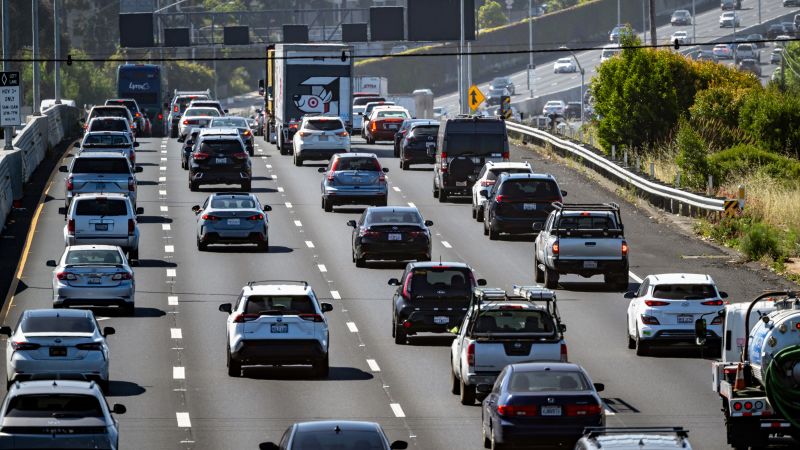
As the Memorial Day weekend unfolds, the nation’s highways and airports are expected to see heavy traffic, even with gas and airfare prices having spiked. The ability of Americans to continue traveling, despite the financial challenges, demonstrates a strong commitment to celebrating the season. Whether by driving or flying, the decision to travel this weekend is a testament to the enduring appeal of holiday festivities and the flexibility of consumers in adapting to changing economic conditions.
