
Gas prices back at $4 a gallon
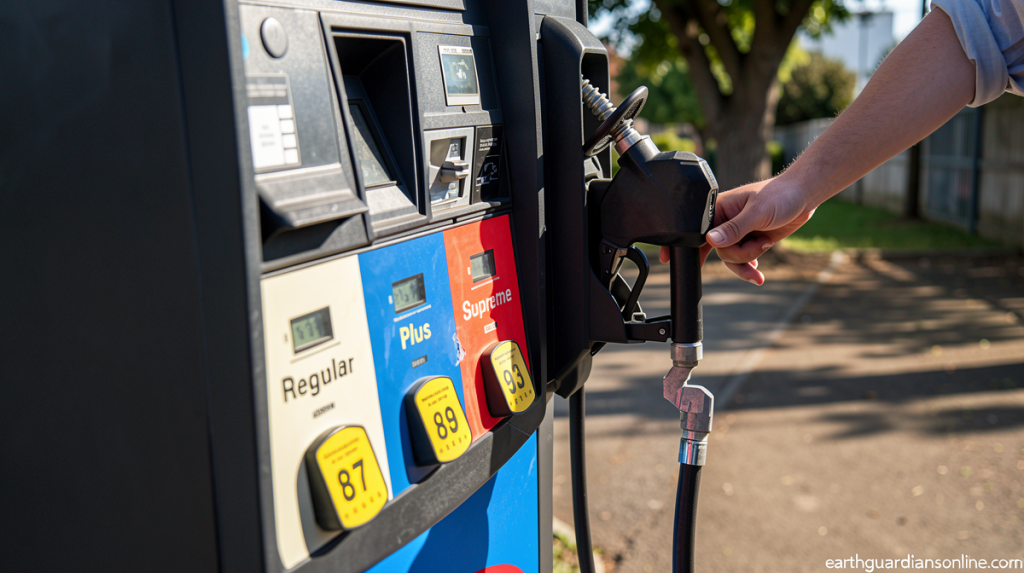
American Drivers Face $4 Gasoline Again Amid Middle East Tensions
Earthguardiansonline.com – Motorists across the United States are once again confronting the psychological barrier of four dollars per gallon for fuel. According to AAA data released Monday, the national average has climbed just above that significant threshold. This price surge coincides with escalating hostilities between Washington and Tehran, which have severely disrupted petroleum transportation through the strategically vital Strait of Hormuz.
The current situation represents a reversal from mid-June, when a diplomatic breakthrough briefly eased concerns. On June 14, both nations signed a memorandum of understanding designed to stop fighting. That agreement initially pushed fuel costs below four dollars within days. However, the calm proved temporary. Tehran resumed targeting commercial vessels attempting to navigate the waterway, while American forces responded by establishing a blockade around Iranian harbors.
Historical Context and Price Trajectory
Fuel costs have experienced considerable volatility since the conflict began. Before military operations started, the average American paid approximately $2.98 for a gallon of gasoline. The initial crossing of the four-dollar mark occurred on March 31, roughly one month after fighting erupted. Prices continued climbing through spring, reaching a four-year peak of $4.56 in early May.
That May high was followed by a decline driven by optimism surrounding peace negotiations. Trapped oil tankers in the Persian Gulf were expected to resume their journeys, potentially increasing supply. The recent uptick shows a different pattern, with the average price rising about thirteen cents over the previous seven days alone.
Global Market Pressures
Domestic fuel costs are closely tied to international commodity markets. Brent crude oil briefly exceeded ninety dollars per barrel on Monday, marking its highest level since early June. Over the past week, Brent has appreciated approximately sixteen percent. Meanwhile, West Texas Intermediate, which serves as the American benchmark, has gained around twelve dollars per barrel this month.
Tom Kloza, an independent oil analyst who advises Gulf Oil, identifies multiple factors beyond the Middle East conflict. Ukraine’s recent drone strikes against Russian refining facilities have complicated matters considerably. Kloza explained that Russia, traditionally a net exporter of refined products, has been forced to import gasoline. This shift has created market anxiety regarding potential shortages of finished petroleum products.
“It has raised fears in markets of a refined product shortage. And no matter how much gasoline we make here, it is a global market,” Kloza stated.
Additionally, the United States is currently experiencing peak driving season. Consumer demand for fuel reaches its maximum during this period, according to Kloza. He projects that stronger consumption will maintain upward pressure on prices through Labor Day. Recent gasoline futures suggest an additional ten to twenty-five cent increase over the coming week.
“That’s baked in,” he noted regarding the expected price movement.
Political and Consumer Implications
Elevated pump prices present challenges for President Donald Trump and the Republican Party as midterm elections approach in November. White House officials have attempted to frame the situation positively while promising resolution.
“As the U.S. military degrades the terrorist Iranian regime’s ability to attack commercial vessels and disrupt the free flow of energy through the Strait of Hormuz, oil and gas prices will plummet back to pre-conflict levels,” said Taylor Rogers, a White House spokesperson.
“President Trump remains committed to unleashing American energy dominance, cutting costs, and putting more money back in the pockets of hardworking American families,” Rogers added.
Industry experts remain cautious about rapid price recovery. Gasoline costs historically decline more slowly than they increase. Most fuel stations operate as small businesses with thin profit margins. These establishments set retail prices based on wholesale costs and are reluctant to reduce prices even when wholesale rates fall.
Experts estimate it will take several months, possibly longer, for the national average to return to the pre-war $2.98 level. Geographic variation remains significant across the country. Approximately half of all American states currently report averages below four dollars per gallon. Indiana maintains the lowest national average at $3.35, while California tops the list at $5.49. Washington state and Hawaii also exceed five dollars per gallon according to AAA measurements.
Given the confluence of geopolitical tensions, supply constraints, and seasonal demand, consumers should not anticipate immediate relief at the pump. The combination of factors suggests that elevated prices will persist through at least the remainder of summer.
