
Iran appears to be preparing a major test of America’s blockade
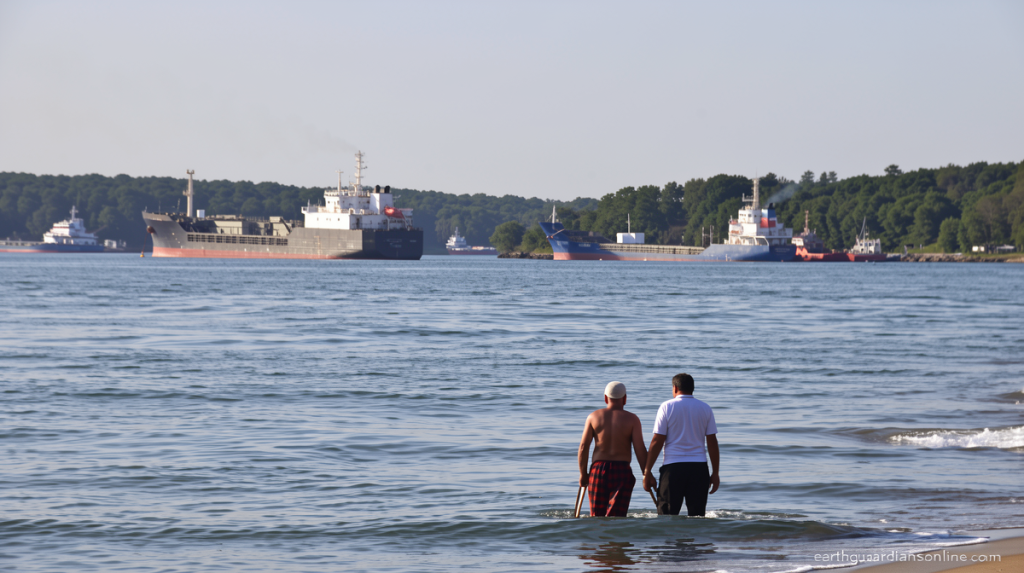
Iran Readies Fleet for Potential Challenge to American Naval Restrictions
Iran appears to be preparing a major – As the United States moved to reinstate its maritime blockade targeting Iranian harbors on Tuesday afternoon, Tehran seemed poised to deploy a collection of vessels designed to circumvent American naval power. According to maritime security analysts, these ships are positioning themselves within the Persian Gulf with the intention of testing the new restrictions. Windward Intelligence, a prominent provider of maritime security data, reported that twenty-three Iranian ships currently navigating the Strait of Hormuz have adopted deceptive practices. These vessels are either operating under false flags, disabling their tracking transponders, or employing other methods to transform into what industry experts term “dark vessels.” Together, these ships constitute a portion of the so-called “shadow fleets” that have become increasingly visible in global shipping lanes.
Historical Context of Iranian Evasion Tactics
Iran has cultivated considerable expertise over many years in sidestepping American economic penalties. The nation relies upon an intricate web of shadow enterprises, clandestine oil cargo exchanges, and opaque financial transactions to maintain its energy exports. Adnan Mazarei, who serves as a senior fellow at the Peterson Institute for International Economics and previously held the position of deputy director at the International Monetary Fund, highlighted this longstanding capability. He explained that these shadow fleets routinely disguise their true identities while directing the majority of their petroleum sales toward Chinese markets.
Mazarei noted that Iran’s shadow fleet techniques have evolved significantly, allowing the country to maintain substantial export volumes even under pressure from Western sanctions.
One particularly illustrative example involves an Iranian tanker monitored by Windward Intelligence. This vessel follows a winding route that begins at Kharg Island, which serves as Iran’s primary petroleum hub. From there, the ship travels to Iraq’s Basrah Oil Terminal before proceeding toward its final destination in China. Windward observed that this routing pattern aligns with established Iranian strategies for concealing the true origin of their cargo shipments.
Current Fleet Status and Export Numbers
Data from Vortexa, another cargo tracking organization, indicates that ten of the twenty-three vessels identified as potential blockade-breakers are currently carrying cargo. The remaining thirteen ships are operating in empty states. Despite the United States having desanctioned Iranian oil under a now-expired Memorandum of Understanding, Tehran has persisted in utilizing its shadow fleet for exports. An analysis conducted by TankerTrackers revealed that Iran moved approximately fifty million barrels of crude oil during the month of June alone. Furthermore, the country managed to export ten million barrels in just a single day during the previous week.
Many of the vessels that departed the Strait of Hormuz during the three-week ceasefire arrangement have now been re-imposed with sanctions. Windward reported that seven of these ships are massive oil tankers currently anchored in the Indian Ocean. These vessels are loaded with crude petroleum and awaiting suitable purchasers.
Economic Impact and Strategic Importance
The initial American naval blockade, which operated from mid-April through mid-June, successfully constrained much of Iran’s trade through the strait, though not entirely. The US Energy Information Administration estimates that the Iranian regime derives roughly half of its total revenue from petroleum sales. China has emerged as a reliable customer, importing approximately eighty percent of Iran’s oil despite ongoing American sanctions.
The economic consequences of the blockade have been substantial for the Iranian population. Mazarei pointed out that the restrictions contributed to a significant increase in the country’s already elevated inflation rate. Over the preceding twelve months, inflation had averaged fifty percent, marking the highest level recorded since World War II. When the blockade commenced in April, the rate climbed well beyond that average. Food prices have experienced even more dramatic increases, with inflation exceeding one hundred percent. Mazarei emphasized that approximately ninety percent of all Iranian commercial trade passes through the Persian Gulf, making maritime access critical for the nation’s economic survival.
