
I’ve spent years studying economic data. These Americans taught me what ‘affordability’ really means
What the Numbers Don’t Show: A Journey Through America’s Affordability Crisis
Behind the Economic Headlines
I ve spent years studying economic – The stock market continues setting new records on a weekly, sometimes daily basis. Corporate earnings remain strong, productivity growth shows no signs of slowing, and consumer spending stays consistently robust. Yet beneath these encouraging topline figures lies a different story—one where those with modest means are falling further behind while finding fewer pathways to the economic mobility that once defined the American dream.
For months before booking a flight, I immersed myself in economic data, pursuing a theory I had never articulated aloud: the cost-of-living crisis wasn’t merely making life expensive. It was dismantling the fundamental deal we had all accepted and believed in. The formula was supposed to be simple. Attend school, secure employment, work diligently, make sound choices. Purchase your first home, start a family, accumulate some wealth, upgrade to a larger residence.
But the reality on the ground told a different tale. Few families are destroyed by a single emergency room visit or one flat tire. What truly breaks households is the accelerating climb of major expenses—housing, childcare, the vanishing retirement floor—until a family sits so precariously close to the edge that a minor setback pushes them over.
A Conversation in Parma
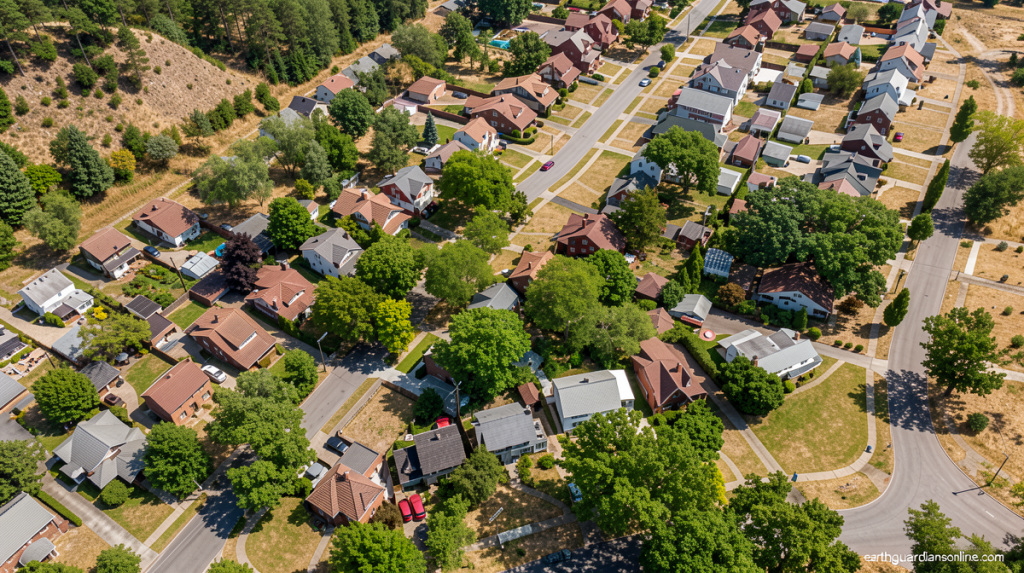
We were only a few minutes into a drive when Jolene Simecek said something that left me completely speechless. She was navigating me through Parma, Ohio, narrating the new subdivisions as they slid past—block after block of brand-new homes she has made her peace with never owning. Around here, she explained, properties don’t remain on the market long enough for buyers to submit an offer.
It’s not fun. I wanted a yard for my kid. Just the normal American dream — a house, a picket fence, a yard. And it just seems like that’s more and more out of touch. Not reality.
Her parents never built the kind of wealth you hand down to the next generation. So you rent, and you work harder—sixteen-hour days, never home—and the math still won’t move. Not for her, not for most people her age.
Jolene is forty-two, a single mother who has been working since she was thirteen years old. She gave up her apartment and went fifteen thousand dollars into debt to return to nursing school, betting on herself and the healthcare shortage. The tradeoff meant living in her sister’s basement because there were no other options available. Her new roommates are five and three years old.
What kind of pressure does that put on you?
As we drove past her old apartment complex, she walked me through the calculations that forced her departure. Her rent had climbed from seven hundred eighty-five dollars to nearly sixteen hundred dollars—for the identical unit—over seven years. Her income hadn’t budged. She told me she has already paid a quarter million dollars in rent throughout her life. She should already own the home with the equity paid off. Then her voice trailed off. But she didn’t make the right decisions.
Two Lives, One Generation
Jolene and I share the same age, the same graduating class, and the same state, just opposite corners—her side of Cleveland, my side of Toledo. For a while our lives ran parallel. Then they split, and I cannot tell you where or why. She did everything we were told to do, and she is living in her sister’s basement.
In the weeks following our conversation, the only answer I could come up with was an old proverb: There but for the grace of God go I.
“Affordability” is everywhere now—a clipboard word that flattens Jolene into a data point shorthanded for poll-tested talking points. A word that detaches itself from the actual people experiencing the long-fraying fabric that underpins the economic promise of America.
This project isn’t a ledger. It doesn’t try to catalog every line-item pressing on every American household. Instead, I set out to trace the structural weaknesses that form the increasingly brittle architecture from which so many are falling.
What questions do you have about the rising cost of living? Submit your questions and Phil Mattingly will answer in a live Q&A on July 22 at 5 PM ET.
STREAMING NOW: What happens when hard work is no longer enough? Priced Out in America follows families trapped in the affordability crisis, revealing structural forces that have profoundly and permanently reshaped the U.S. economy.
