
The best way to watch the World Cup is in Spanish
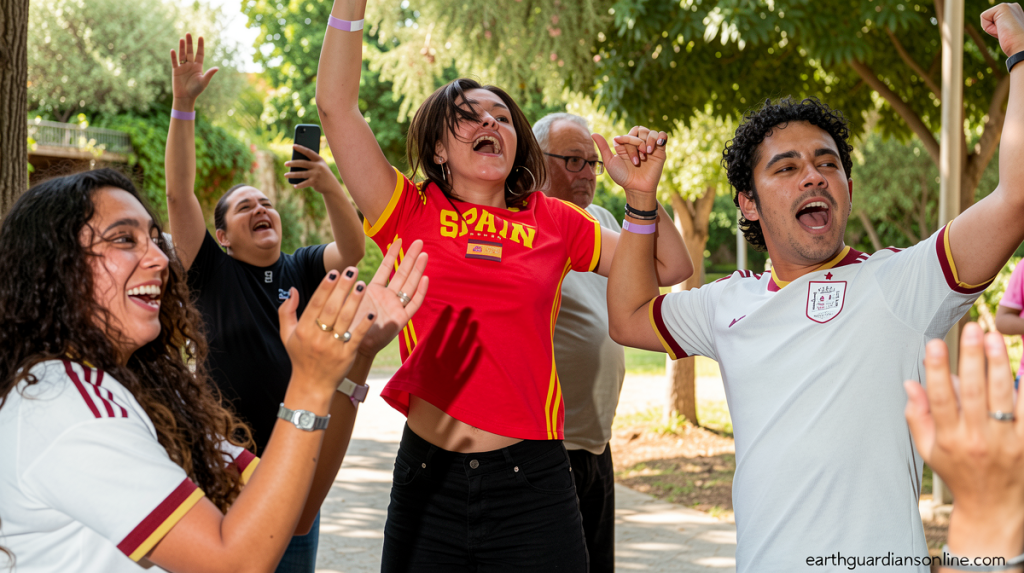
Why Spanish-Language Broadcasts Are Capturing American Soccer Fans
The best way to watch the World – Telemundo has emerged as an unexpected powerhouse in American sports television, particularly during this year’s World Cup tournament. The network’s Spanish-language coverage has attracted not only traditional Latin American audiences but also a growing number of viewers who neither speak Spanish nor have Hispanic heritage. This shift represents more than a passing trend—it reflects a deliberate strategy that has paid substantial dividends for the broadcaster.
A New Generation of Viewers
Giovanni Canales, a 24-year-old Rhode Island resident, exemplifies this changing landscape. Despite not speaking Spanish himself, Canales considers Telemundo’s broadcasts essential to his World Cup experience. His father, a former player for Honduras’s national team, instilled in him an appreciation for the network’s energetic commentary style. Canales finds comfort in the way Spanish announcers accelerate their speech during intense moments on the field—a rhythm that transcends language barriers.
“Sometimes I just doze off if it’s in English,” Canales explained, noting that he rarely misses crucial moments even when stepping away from the television.
His confidence stems from knowing that Telemundo’s coverage captures every significant play, a quality he demonstrated in a recent social media post where he briefly left his viewing area without missing any action.
Expanding Beyond Traditional Audiences
The network’s reach has grown considerably beyond its core demographic. Meghan Dyer Pavs, a former elementary school educator living near Worcester, Massachusetts, has become an enthusiastic advocate for Telemundo’s broadcasts. She describes the Spanish-language coverage as “the best thing in American culture right now,” a sentiment she has successfully shared with her husband, children, and even a college roommate.
Comedian Trevor Noah has also embraced the network, declaring Telemundo “the best coverage in town.”
This broader appeal has translated into impressive viewership numbers. According to recent reports, Telemundo’s audience for this tournament exceeds twice the size of its 2022 coverage in Qatar. The July 5 encounter between Mexico and England attracted a network record of 23.2 million viewers, surpassing Fox Sports’ 21.7 million for the same match.
Strategic Growth and Cultural Connection
Telemundo’s success is no accident. The network initiated efforts to attract non-Spanish speakers months before the tournament began, including a Super Bowl commercial featuring actor Owen Wilson becoming captivated by the passionate commentary. During a France-Sweden match, one announcer even briefly addressed English-speaking viewers directly.
At Socceria, a Brooklyn cantina owned by Tania Apolinar from Torreón, Mexico, approximately 95 percent of matches air in Spanish. “But then we kind of regret it in the moment,” Apolinar said regarding occasional Fox broadcasts for non-Latin American games. “It’s more fun on Telemundo.”
Dyer Pavs, who studied Spanish in college, values the opportunity to practice her language skills while sharing Latin American soccer culture with her eight- and eleven-year-old children. She challenges the notion that cultural exposure requires expensive travel.
“I talk to parents who think that in order to expose them to other cultures, we have to take a $1,000 flight to Paris or whatever,” she noted. “But this is American culture. It’s just a different version of American culture on your TV.”
Practical Considerations and Future Implications
Serious soccer enthusiasts appreciate that Telemundo avoids commercial interruptions during hydration breaks—known affectionately as “las pausas de hidratación”—allowing viewers to witness unfiltered moments of tension. Some fans also cite political preferences, noting a general dislike for Fox Sports analyst Alexi Lalas and his support for President Donald Trump.
Budget considerations play a role as well. Accessing Fox Sports requires either a cable package, YouTube TV subscription, or a standalone $19.99 monthly fee, while Peacock offers live sports through various subscription tiers. Given the competitive dynamics between the networks, CNBC’s Alex Sherman reported that FIFA may consolidate English and Spanish broadcast rights for future men’s tournaments.
