
Long Island Rail Road, America’s largest commuter railroad, is on strike
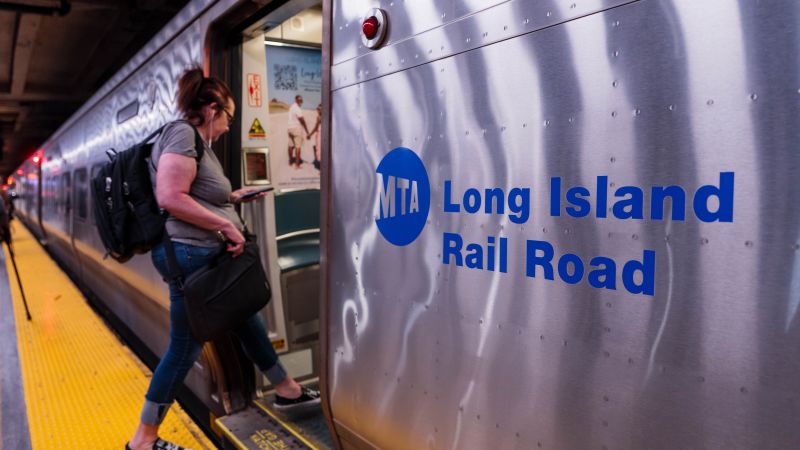
Long Island Rail Road, America’s Largest Commuter Railroad, Is on Strike
Long Island Rail Road America s largest – Union representatives for the Long Island Rail Road (LIRR), the country’s largest commuter rail system, have declared a strike, which could disrupt the travel plans of hundreds of thousands of daily commuters in the New York City metropolitan region. This marks the first labor action at the railroad since 1994, with five unions involved in the dispute representing a total of 3,500 employees. The walkout has led to a complete shutdown of train operations, creating uncertainty for thousands relying on the service for their commutes.
Following a prolonged negotiation period, the unions were unable to secure an agreement with railroad management on Friday. Kevin Sexton, vice president of the Brotherhood of Locomotive Engineers and Trainmen and a union spokesperson, explained,
“After two days of round-the-clock discussions, the parties could not reach a compromise.”
The dispute centered on wage increases and work rules, with the unions pushing for the first raise since 2022. This period has seen significant spikes in the cost of living, particularly in the high-cost region where the LIRR operates.
The five unions, which include engineers, signalmen, and machinists, have been advocating for a 4% to 5% raise. However, management appeared close to meeting this target before the final push for additional concessions. According to the unions, railroad officials at the last moment demanded that workers accept higher healthcare coverage costs, which the unions deemed unpalatable. This decision ultimately led to the breakdown of negotiations, leaving the workforce without a deal.
With the strike set to begin at 12:01 a.m. ET on Saturday, its effects will be most pronounced on Monday. Nearly 300,000 commuters typically use the LIRR to navigate the city’s transit network, and the absence of rail service could force them to rely on alternative transportation. While the LIRR has not yet fully restored pre-pandemic ridership levels, it has recovered about 90% of the passengers it served in 2019. The railroad’s fare revenue totaled $636 million last year, and the strike is expected to result in a loss of around $2 million per weekday.
Even customers with monthly passes will see their fares adjusted as refunds are distributed prorated across the affected period. The strike has also influenced the MTA’s plans for the weekend, as both the Mets and Yankees are scheduled to play at Citi Field, a key LIRR destination. Despite the logistical challenges, the MTA has confirmed that its limited bus service can only handle approximately 13,000 passengers in the morning and another 13,000 in the evening. Commuters are being encouraged to adjust their routines, including working remotely or avoiding non-essential trips.
While the strike has disrupted daily routines, its broader implications extend beyond immediate transportation challenges. New York Governor Kathy Hochul has criticized the action, calling it “reckless” in a statement released Saturday. She argued that the unions’ demands risk making fares unaffordable for riders, particularly in a region where cost-of-living pressures are already high. Hochul urged both the unions and the MTA to return to the table and negotiate without interruption until a resolution is found.
Meanwhile, MTA CEO Janno Lieber has placed the blame on the unions, asserting that their strategy was to create disruption and force a poor agreement.
“For me, it’s become apparent that these unions always intended to strike,” Lieber stated. “Their goal is to inconvenience Long Islanders and push the MTA and the State into a bad deal.”
The MTA, which oversees the LIRR, has emphasized its commitment to maintaining service through the limited bus routes, though these measures are expected to fall short of meeting the demand.
The strike has also highlighted the tension between labor and management in the transportation sector. The unions argue that their demands are reasonable, given the economic conditions since 2022. Nick Peluso, national vice president of the Transportation Communications Union, reiterated this point, stating,
“We are truly sorry that we’re in this situation. These riders are our friends, our neighbors, and they live in our communities. We understand the service the LIRR provides, but we needed a fair agreement.”
Peluso and other union leaders emphasize that the current contract negotiations are critical for aligning wages with the rising cost of living.
As the strike continues, the impact on the regional transportation network is becoming clearer. The MTA has warned that the limited bus service will not be sufficient to handle the volume of passengers typically reliant on the LIRR. Additionally, the introduction of new tolls for cars entering Manhattan’s business district has further complicated the situation for commuters. With gas prices at a high, the strike adds another layer of difficulty for those choosing to drive.
Despite the challenges, the LIRR’s management remains steadfast in its position. The union’s demand for increased healthcare costs was seen as a final hurdle in reaching a deal. While the unions were seeking to ensure fair compensation, the MTA believes that accepting these additional expenses would strain its budget. This disagreement has left commuters in a precarious position, with no clear timeline for a resolution.
The strike also raises questions about the future of labor relations in mass transit systems. With the LIRR representing a significant portion of the region’s rail infrastructure, the prolonged disruption could have ripple effects on the economy and daily life. As the strike progresses, both sides will need to address concerns about fairness, financial sustainability, and the well-being of workers and passengers alike. The outcome of these negotiations will determine whether the LIRR can resume normal operations or if the situation will escalate further.
For now, the focus remains on the immediate impact of the strike. The MTA has urged customers to adjust their schedules and consider alternative transportation options. As the strike continues, the rail system’s role in connecting New York City to its suburbs will be tested, and the response from both unions and management will shape the future of public transit in the area.
