Red lights are flashing in energy markets

Daftar Isi
Energy Markets Face a Compounding Fuel Crisis as War, Sanctions, and Logistics Collide
Earthguardiansonline.com – Pump prices across the United States have climbed to levels last seen years ago, but the headline number at the gas station is only the visible tip of a far more dangerous problem. Beneath the surface of elevated crude prices sits a structural shortage of refined fuels — gasoline, diesel, and jet fuel — that threatens to keep inflation sticky well into the coming months. What started as a crude supply shock triggered by the closure of the Strait of Hormuz has quietly metastasized into a full-blown refining emergency, with three of the world’s four major fuel-processing regions simultaneously impaired.
The Crack Spread That Broke Every Record
The most telling indicator of how tight the market has become is the diesel crack spread — the margin a refiner earns converting one barrel of crude into diesel. On Monday, that figure surged to $102 per barrel, a level never previously recorded in modern market history and roughly three times what it stood at before the current conflict began. The spike signals that demand for finished fuel is outpacing the ability of refineries to produce it.
“This is man-bites-dog news. The market is screaming that we’re short,” Bob McNally, founder and president of Rapidan Energy Group, told CNN.
McNally, who previously served as an energy adviser to President George W. Bush, has watched the situation deteriorate from multiple angles. His assessment underscores a point that many market participants are only now fully absorbing: the constraint is no longer about getting crude into a refinery. It is about getting fuel out of one.
Three Refining Hubs in Simultaneous Distress
The global refining map has effectively been reduced to a single functioning corridor. In the Middle East, Iranian war operations have physically damaged processing facilities, while the ongoing naval standoff between Iran and the United States in the Strait of Hormuz has choked off shipping lanes that unscathed plants depend on to move product. In Russia, Ukrainian drone strikes have knocked out roughly 40 percent of domestic refining capacity — equivalent to about 3 percent of the world’s total, according to research firm Capital Economics. Facing domestic shortages, Moscow has prohibited exports of gasoline and diesel through the end of January 2027, removing a historically significant volume of fuel from global trade.
China, the third major exporter, has taken a different but equally consequential path. Beijing has slashed its crude oil imports to an extent many analysts considered implausible, a move that has kept benchmark crude prices from spiking toward $150 per barrel. Yet the same government has simultaneously curtailed its own fuel exports to protect domestic supply, further thinning the already constrained global pool of finished products.
The Gulf Coast Becomes the Last Stand
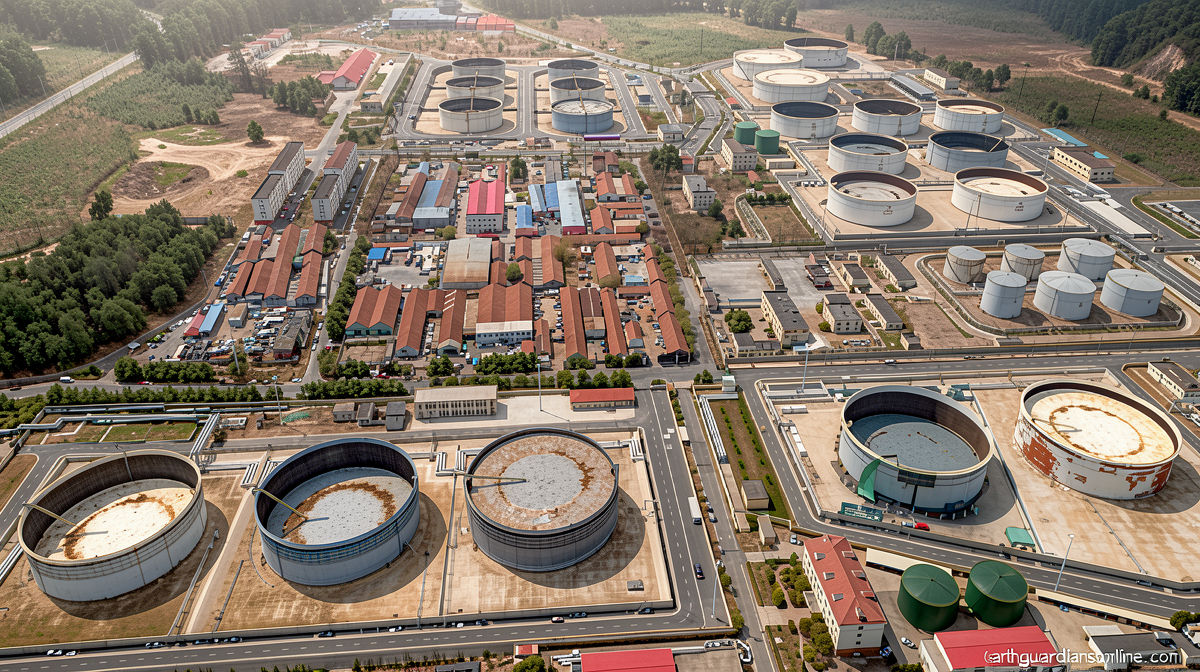
With the Middle East, Russia, and China all constrained, American refineries along the Gulf Coast have become the de facto lifeline for global fuel supply. Plants in Texas, Louisiana, and surrounding states are operating at maximum throughput to capture margins that have reached historic highs. Analysts at Bank of America warned last week that the market is entering its strongest seasonal demand window with virtually no buffer for disruption.
“Refiners are going all-out. This is Christmas come early and come big,” McNally said.
The financial rewards have been immediate and substantial. Shares of Marathon Petroleum and Valero Energy have more than doubled year-to-date, while Phillips 66 stock has gained nearly 90 percent. Integrated supermajors have reaped similar gains: ExxonMobil alone generated $160 million in profit per day during the most recent quarter, and Chevron has posted comparable windfalls as supply disruptions inflate product prices.
What Consumers Are Actually Paying
The translation from refinery economics to household budgets is direct and painful. The national average price for regular gasoline reached $4.07 per gallon on Tuesday, representing a 30 percent jump over the same period last year. Diesel, the workhorse fuel for agriculture, rail, and trucking, is running 48 percent above its year-ago level. Research from Brown University’s Climate Solutions Lab estimates that higher diesel prices have already cost American consumers close to $40 billion since the war commenced. Because diesel powers tractors, freight trucks, and locomotives, the cost is embedded in nearly every grocery item and shipped package, often passed through quietly into shelf prices.
Air travel has felt the squeeze as well. Jet fuel prices have climbed more than 70 percent over the trailing twelve months. Carriers, buoyed by resilient travel demand and the May shutdown of budget airline Spirit, have raised ticket prices and baggage fees while pruning lower-yield routes.
“The consumer-facing impact is showing up at the pump and at the airport, and that is where the pressure is going to build from here,” Rystad Energy analysts wrote in a report last week.
Forward Risks: Hurricanes, Maintenance, and Inflation
The current all-out operating posture of Gulf Coast refineries is fragile. Peak hurricane season is approaching, and major storms have historically forced multi-week shutdowns of coastal plants. Additionally, the autumn maintenance window — when refineries normally slow or halt operations for turnarounds — will arrive just as seasonal demand remains elevated. Any disruption during that period could push fuel prices higher still.
The macroeconomic stakes are equally serious. If supply constraints in the Middle East, China, or Russia persist, sustained fuel prices will keep headline and core inflation above target, complicating central-bank policy and prolonging the cost-of-living squeeze for households and businesses alike. The window in which the market can absorb further shocks without triggering a broader price spiral is narrowing rapidly.
Related Reading
Frequently Asked Questions
What is Red lights are flashing in energy?
Red lights are flashing in energy is the main topic of this guide. The article explains the context, practical details, and next steps readers should understand.
Why does Red lights are flashing in energy matter?
Red lights are flashing in energy matters because readers are looking for a useful answer, not just a short summary. Good content should match search intent and help them decide what to do next.