
Sky-high World Cup ticket prices spark investigation by NY and NJ attorneys general
Sky-high World Cup ticket prices spark investigation by NY and NJ attorneys general
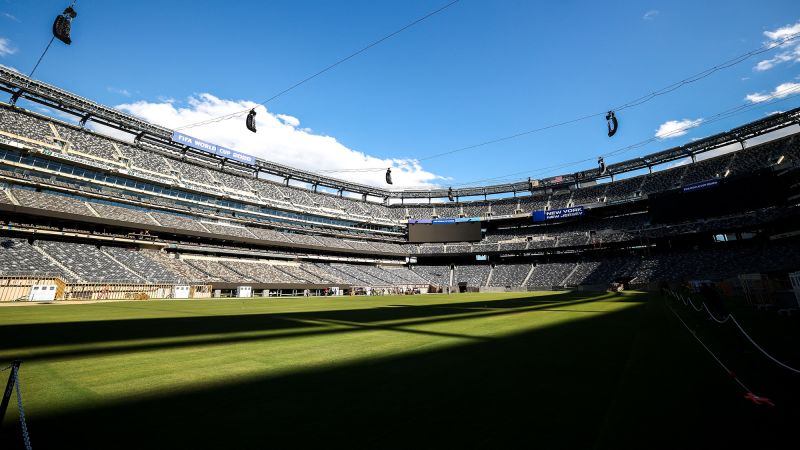
Sky high World Cup ticket prices – As the 2026 World Cup soccer tournament approaches, escalating ticket costs have drawn scrutiny from legal authorities in New York and New Jersey. On Wednesday, the two state attorneys general—Letitia James of New York and Jennifer Davenport of New Jersey—jointly revealed they are requesting documents from FIFA, the international football governing body, to examine its pricing strategies for matches at the MetLife Stadium in New Jersey. The investigation centers on allegations that fans were misled regarding the location of their seats and that FIFA’s promotional materials may have played a role in driving up prices.
MetLife Stadium pricing changes under scrutiny
The MetLife Stadium, now rebranded as the New York New Jersey Stadium for the tournament, was initially categorized into four seating zones, labeled Categories 1 through 4. Fans who purchased tickets in the early stages of sales were told these zones corresponded to prime viewing areas, with lower numbers indicating better access to the field. However, after ticket sales commenced, FIFA introduced new seating arrangements, creating additional sections within each category. This shift allegedly left some buyers with less favorable positions, including seats distant from the action or behind the goals.
According to the New York Times, group match tickets in the U.S. started at $60 and climbed to over $600. The face-value tickets for the final game reached as high as $10,990, but their value skyrocketed on resale platforms, with some final matches fetching more than $2 million. The disparity between initial prices and final resale values has fueled public outrage, prompting the attorneys general to investigate whether FIFA’s practices constitute deceptive marketing or unfair pricing.
Fans accuse FIFA of misleading pricing tactics
Fans claim that the changes to seat maps were made after they had already committed to purchases, leading to confusion and a sense of artificial scarcity. “Buyers of tickets for seats in the new zones were excluded from those seats and instead assigned less-desirable alternatives,” one complaint stated. This practice, combined with FIFA’s public statements, has been accused of inflating prices beyond what fans expected. The attorneys general argue that these actions may have misled consumers, creating a perception of limited availability to justify steep costs.
The situation has sparked frustration among fans, particularly as the resale market has further exacerbated the price surge. Tickets for the final, originally priced at $10,990, have now resold for over $2 million, making them one of the most expensive in the tournament’s history. While FIFA defends its pricing as a reflection of market demand, critics argue that the process lacks transparency and fairness. “Being honest about ticket sales is not complicated,” said New Jersey Attorney General Jennifer Davenport. “But FIFA has turned buying a ticket into a gauntlet of confusion, fake scarcity, and impossibly high prices.”
New York AG emphasizes affordability and trust
New York Attorney General Letitia James echoed Davenport’s concerns, stating that fans deserve a fair opportunity to purchase tickets at reasonable prices. “Fans should be able to trust that the tickets they purchase will be the ones they receive,” she added. The pair is now examining FIFA’s ticketing process to determine if it violated consumer protection laws or created an unfair advantage for early buyers. Their inquiry also aims to assess whether the changes to seating zones were strategically timed to maximize revenue.
FIFA has not yet commented on the investigation, but it previously told CNN that its pricing strategy spans a wide range of price points, “reflecting market demand for each match.” This approach has been criticized for allowing prices to fluctuate dramatically, with group matches starting at $60 and the final surpassing $10,990 in face value. The organization’s decision to introduce new seating zones mid-sale has raised questions about whether it manipulated the market to generate higher profits.
California joins the probe
Adding to the legal pressure, California Attorney General Rob Bonta has also requested information from FIFA to evaluate whether its pricing practices may have breached state laws. This move signals that the scrutiny of the World Cup ticketing process is expanding beyond New York and New Jersey. The attorneys general are now looking into the broader implications of FIFA’s strategies, including their potential impact on consumer rights and market fairness.
The 2026 World Cup, which will be hosted jointly by the United States, Mexico, and Canada, has already generated significant revenue. With games planned across all three countries, the tournament is expected to draw millions of spectators. However, the steep ticket prices have sparked debates about accessibility and affordability. New York City Mayor Zohran Mamdani recently announced an initiative to offer $50 tickets to residents, aiming to mitigate the financial burden on local fans.
Public reaction and the role of resale platforms
Reactions to the ticket pricing have been mixed, with some fans expressing appreciation for the exclusivity and high demand of the event, while others criticize the lack of transparency. Resale platforms have amplified the issue, allowing ticket prices to surge beyond their original face value. For instance, the final match’s tickets have been resold for over $2 million, making them among the most expensive in the tournament’s history.
Analysts suggest that the combination of early pricing strategies and dynamic seat map updates has created an environment where ticket buyers are at a disadvantage. The new zones introduced by FIFA, which added front-row sections in each category, have been accused of artificially inflating prices by creating the illusion of limited availability. This tactic, if proven, could have significant legal implications, as it may be seen as a form of deceptive pricing or misrepresentation.
Meanwhile, the public’s frustration is growing, with many questioning whether the ticketing process prioritizes profit over fan experience. The MetLife Stadium, which will host the first match of the tournament on June 13, is set to play a pivotal role in this controversy. With a total of eight matches scheduled during the event, including the final on July 19, the stadium’s transformation into a key venue for the World Cup highlights the complexities of organizing such a large-scale event.
As the investigation unfolds, the focus remains on FIFA’s ability to communicate pricing and seating information clearly to fans. The attorneys general are likely to assess whether the organization’s actions during ticket sales constitute a breach of consumer trust or a systematic attempt to maximize revenue. Their findings could influence future ticketing strategies for major sporting events and set a precedent for how pricing practices are regulated in the public sphere.
