Trump is letting in 300,000 tons of beef duty-free. Don’t expect cheaper burgers

Daftar Isi
300,000 Tons of Duty-Free Beef Arrives — But the Burger Bill May Barely Budge
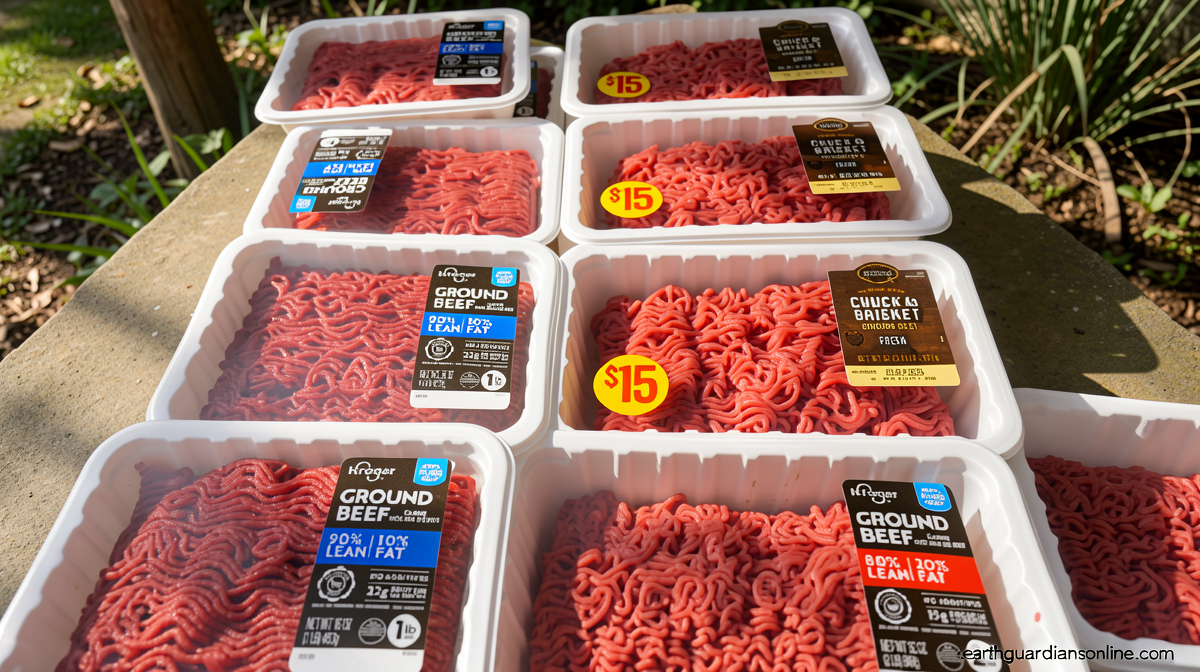
Earthguardiansonline.com – Americans have been watching their grocery receipts swell for years, and the White House has finally moved to intervene directly in the beef market. Beginning September 1, an executive proclamation signed by President Donald Trump opens the door to 300,000 metric tons of foreign beef entering the country free of tariffs for a 90-day window. The proclamation mandates that these imports be offered at prices set 25 percent below prevailing market rates. On paper, the policy reads like a targeted relief valve for shoppers already paying a premium at the meat counter. In practice, economists and supply-chain analysts suggest the real-world effect on the average hamburger will be modest at best.
How Big Is the Deal, Really?
The headline number — 300,000 metric tons — sounds substantial, but context matters. USDA consumption data places that volume at roughly two percent of total domestic beef intake. Put another way, the influx represents a thin sliver of what American households already purchase each year. Even if every pound were priced at the mandated discount, the arithmetic of a two-percent supply bump makes a meaningful, sustained price drop across the entire retail channel unlikely.
Compounding the limitation, the tariff exemption does not cover every cut of beef. It applies specifically to beef trimmings — the lean, connective-tissue-laden pieces that processors blend into ground beef alongside other cuts. Because trimmings are only one component of the final ground product, shielding them from duties will not translate into a proportional discount on the finished package sitting on the shelf. Glynn Tonsor, an agricultural economist at Kansas State University who tracks meat pricing dynamics, notes that restricting the exemption to trimmings alone caps the potential consumer benefit.
The Demand Side Tells a Different Story
While the administration frames the price spike as a supply shortfall, Tonsor’s research points to a more complex picture. His Meat Demand Monitor, a monthly survey of approximately 3,000 Americans, tracks willingness to pay for beef products. Last month, respondents indicated they would pay $10.09 per pound for ground beef and $24.62 for a hamburger ordered at a restaurant. Three years earlier, those figures stood at $8.67 and $20.19, respectively. The widening gap, Tonsor argues, reflects genuine appetite growth driven by perceived quality improvements in beef products rather than pure scarcity.
If consumers are simply willing to pay more, flooding the market with an additional two percent of supply — even at a discount — may not satisfy the underlying demand curve. The administration’s discount mechanism could nudge marginal prices downward in the short term, but it would not address the structural willingness-to-pay shift that Tonsor documents.
Supply-Side Pressures Are Real but Partial
That said, supply constraints do exist. The American cattle herd sits at a multi-decade low, a fact the White House has acknowledged. White House spokesperson Kush Desai framed the tariff move as a bridge measure:
“The President’s action is helping meet short-term beef needs while the Administration works with American ranchers to expand domestic production and grow the American cattle herd, which is currently at a multi-decade low.”
Desai attributed the elevated prices Americans have experienced to “insufficient supply to meet consumer demand.” Other supply-side disruptions have also played a role. An outbreak of New World screwworm in Mexico temporarily halted imports of live cattle from that country, tightening the domestic supply pool until recently. Tonsor concedes these factors contributed to price pressure but cautions that they do not fully account for the magnitude of the increase, particularly given that modern ranching practices have produced larger cattle yielding more beef per head.
What Shoppers Should Expect
The Bureau of Labor Statistics currently pegs the average price of a pound of ground beef at approximately $6.89. Compared with three years ago, consumers are paying roughly 27 percent more for ground beef and for beef and veal categories broadly. Over the trailing twelve months alone, July Consumer Price Index readings show increases of around nine percent in those categories.
Against that backdrop, the tariff exemption’s 90-day window and its narrow scope — limited to trimmings, limited to a two-percent supply addition — suggest that any price relief will be marginal and temporary. Tonsor offered a measured assessment of what the imports will actually mean at the checkout:
“It’ll be some additional pounds on the market that we didn’t have before, and in that context, that could be good for consumers. But I think it’s easily overstated how much it might help.”
The White House has not detailed how oversight agencies will verify that imported beef is genuinely transacted at the mandated 25-percent discount, nor has it explained the mechanism by which a lower tariff rate on trimmings would cascade into lower retail prices for finished ground products. Foreign exporters, per administration statements, are expected to pass through the duty savings as price reductions, but the absence of a clear monitoring framework leaves the policy’s enforceability uncertain.
For the average household, the practical takeaway is this: a small, time-limited supply injection aimed at one component of ground beef is unlikely to reverse a multi-year price trend fueled by demand growth, herd contraction, and trade disruptions. The burger may get a few cents cheaper for a quarter. The structural forces pushing prices upward, however, remain firmly in place.
Related Reading
Frequently Asked Questions
What is Trump is letting in 300 000 tons?
Trump is letting in 300 000 tons is the main topic of this guide. The article explains the context, practical details, and next steps readers should understand.
Why does Trump is letting in 300 000 tons matter?
Trump is letting in 300 000 tons matters because readers are looking for a useful answer, not just a short summary. Good content should match search intent and help them decide what to do next.