Trump says the Strait of Hormuz is reopened. But most ships are staying put

Trump Claims Hormuz Strait Reopened, But Industry Doubts Persist
Trump says the Strait of Hormuz – President Donald Trump announced on Monday that the Strait of Hormuz, a crucial maritime passage for global oil trade, has been officially reopened following an agreement with Iran. The declaration came after negotiations reached an agreement on Sunday, which Trump described as a breakthrough for international shipping. However, industry experts and analysts remain skeptical, suggesting that the actual movement of vessels through the strait is still uncertain and unlikely to resume at full capacity anytime soon.
Uncertainty Overshadows Immediate Progress
Despite Trump’s optimism, shipping industry insiders are cautious. “Ships are beginning to navigate the strait, many carrying crude oil, but the situation is far from clear,” the president stated on social media, highlighting the gradual resumption of traffic. Yet, maritime analysts argue that this cautious movement is not yet evidence of a full-scale reopening. The lack of transparency around the terms of the agreement, coupled with ongoing geopolitical tensions, has left many operators hesitant to commit to transit, even as the strait is technically open.
“The statements by the US and Iran are currently unclear and do not offer sufficient information regarding key aspects such as timings and safe routes,” said Jakob Larsen, chief safety and security officer at the Baltic and International Maritime Council (BIMCO), a major international organization of ship operators. “Due to lack of details and a history of overly optimistic reassurances, we believe the security situation for the shipping industry remains volatile, and we still consider it very risky for ships to commence transits at this point,” he added.
Industry leaders stress that concrete assurances are needed before shipping traffic can normalize. Larsen emphasized that operators require certainty about mine-free routes and naval protection to feel confident about navigating the strait. “Ships trapped in the Persian Gulf will be interested in leaving as soon as it is safe to do so,” he said, noting that the next step is ensuring transiting the strait is both permitted and secure.
Historical Precedents and Current Challenges
Even during periods of heightened conflict, some vessels have managed to pass through the Hormuz Strait. Natasha Kaneva, JPMorgan’s head of global commodities strategy, pointed out that “surprising volumes of crude and petroleum products still appear to be transiting the strait” despite the naval blockade and the sharp decline in commercial activity. This resilience has been a recurring theme, with ships taking advantage of temporary lulls in hostilities to move their cargo. However, recent agreements have not translated into immediate confidence, as the current deal lacks the detailed guarantees that operators demand.
Bob McNally, founder and president of Rapidan Energy Group, observed that only 0% to 10% of the usual oil flow through the strait has resumed, a rate that has so far kept oil prices from spiking further. “The partial movement of vessels is helping stabilize the market, but it’s not enough to signal a return to normalcy,” he noted. Hopes for a full reopening have already influenced market dynamics, with oil futures dropping to a 3-month low on Monday, reflecting both relief and uncertainty among traders.
Insurance Hesitations and the Chicken-and-Egg Dilemma
The slow return of traffic has also raised concerns among maritime insurers, who are still hesitant to provide coverage for vessels navigating the strait. Skuld, a major insurance provider, confirmed it has not updated its policies to include full protection against attacks, leaving operators with limited options. “Any market-wide review of rates, especially the war rates that apply in the Strait of Hormuz, would almost certainly depend on the certainty of safe voyages,” the company stated in a recent note.
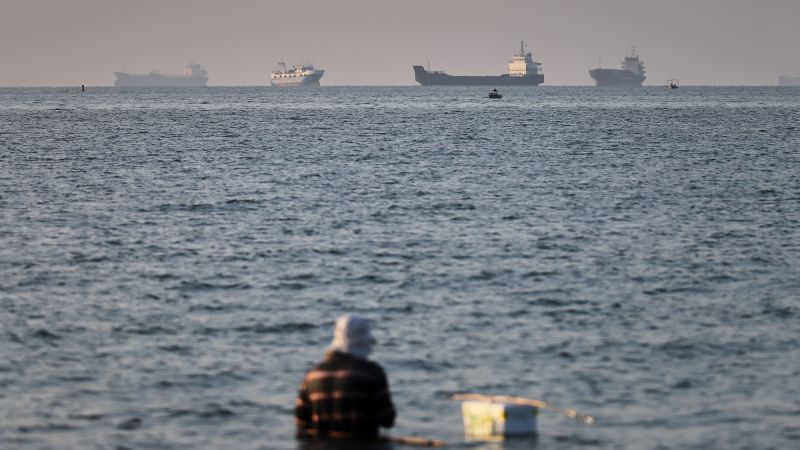
Matt Smith, lead oil analyst at Kpler, explained that the data shows no significant increase in ship movements for the 220 tankers and nearly 500 vessels currently stalled in the Persian Gulf. “This isn’t a surprise, as the deal isn’t scheduled to be signed until Friday,” he said. “It will likely take three to four months before traffic can be considered normal,” Smith added, underscoring the cautious approach needed to rebuild trust in the strait’s safety.
“Without insurance, ships will be even more hesitant to transit, creating a standoff,” Smith explained. “It’s a chicken-and-egg situation: operators won’t move without assurances, and insurers won’t provide coverage without evidence of security.”
Analysts suggest that the insurance sector’s reluctance is a key barrier to the full reopening. While some ships have begun to transit, the majority are waiting for others to follow suit. “Most ship operators will want to see other vessels safely navigate the strait before they commit to their own journeys,” Smith said. This collective hesitation could prolong the current state of affairs, with traffic remaining minimal for weeks or months.
Trump’s Confidence and the Road Ahead
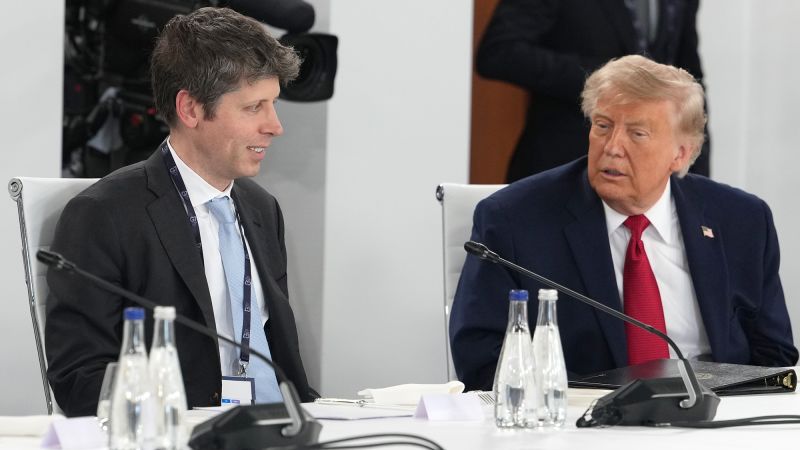
Trump, during a meeting with French President Emmanuel Macron at the G7 summit, reiterated his belief in the strait’s readiness. “They’re doing a little hunting for a couple of mines that they’ve already found, but … ships are starting to go out now,” he said, implying that the immediate threat has been neutralized. However, he also acknowledged that the full reopening is expected by Friday, the day the agreement is set to be finalized.
While Trump’s confidence is encouraging, the reality on the water remains complex. The agreement’s terms, though agreed upon, may still include conditions that operators are not fully comfortable with. For instance, the precise timing of the strait’s opening and the specific routes deemed safe are still under discussion. “The challenge is ensuring that the deal not only addresses the immediate threat but also establishes a framework for long-term security,” Larsen said.
Experts warn that the situation is unlikely to improve overnight. The strait’s strategic importance makes it a high-risk area, and any perceived instability can trigger a cascade of caution. “Operators need to see consistent movement before they feel secure enough to transit,” Larsen emphasized. This has led to a standoff between the parties involved, with the shipping industry waiting for both political and military assurances to resume operations at full capacity.
As the agreement moves forward, the focus remains on whether the terms will be robust enough to prevent future disruptions. For now, the Strait of Hormuz stands as a symbol of both progress and uncertainty, with its reopening marking a step toward stability but not the end of challenges for the global oil supply chain. The coming weeks will be critical in determining whether the strait can truly become a conduit for renewed trade or if the current cautious approach will linger for months to come.
CNN’s Matt Eagan, Maisie Linford, and Donald Judd contributed to this report.