
Walmart is lowering prices on summer BBQ items. Trump says it’s because of him
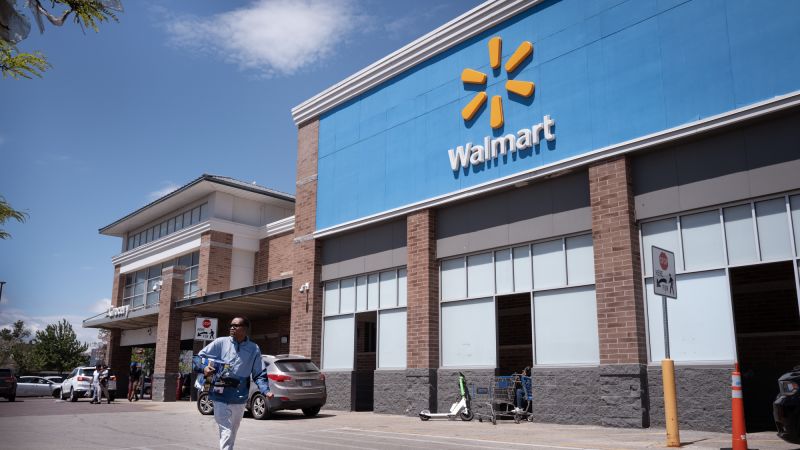
Walmart’s Summer BBQ Price Cuts Spark Political Claims
Walmart is lowering prices on summer – On Monday, Walmart announced its seasonal summer sale, showcasing discounts on staples for outdoor gatherings and poolside fun. Among the items highlighted were reduced prices for ground beef, ribs, soda, and other essentials, with specific rollbacks detailed in a press release. However, the retail giant’s price adjustments have become a focal point for political commentary, as President Donald Trump quickly attributed the changes to his administration’s influence. In a post on Truth Social, Trump asserted that the markdowns were initiated “at my Administration’s request to celebrate our great Country’s 250th birthday,” linking the promotions to his broader economic narrative.
Trump’s Alleged Role in Walmart’s Pricing Strategy
Trump’s claim centers on the idea that his policies have directly impacted consumer prices, a theme he frequently emphasizes. He specifically pointed to a supposed 15% discount on beef, arguing that such savings benefit “many millions of Americans” who shop at Walmart. The president also framed the company as a patriotic entity, stating, “which is a truly patriotic Company who loves the U.S.A.” This rhetoric echoes similar assertions made in recent months, where Trump has tied Walmart’s offerings to his administration’s success in lowering costs across various sectors.
“This is a huge deal for the many millions of Americans who, smartly, shop at Walmart, which is a truly patriotic Company who loves the U.S.A.”
Seasonal Sales: A Retail Tradition
While Trump’s claim gains traction, experts note that Walmart’s summer sales are part of a routine strategy. Retailers often adjust prices for seasonal demand, particularly around holidays like Independence Day. For instance, the soda packs on sale this week were also discounted last summer, according to a Texas Walmart location’s Facebook page. Similarly, the 73% ground beef roll, now priced at $5.94 per pound, reflects a 12% markdown—a practice that aligns with typical summer promotions. The discounts on items such as corn on the cob and cherries, both of which are in season, further underscore this annual pattern.
Historical Context of Trump’s Claims
Trump’s current assertion isn’t the first time he has linked Walmart’s price reductions to his leadership. In 2025, he claimed that the lower cost of Thanksgiving meal baskets was due to his policies, despite the fact that the 2025 basket included fewer items and more products from Walmart’s own store brand. This year, he repeats a similar strategy, suggesting that his administration’s impact on consumer costs is evident in the summer markdowns. However, the timing of the discounts—already in place for a week before his social media post—casts doubt on the immediacy of his claim.
Consumer Costs and Economic Trends
Despite Walmart’s seasonal rollbacks, the broader economic landscape tells a different story. A CNN poll conducted by SSRS revealed that 77% of respondents believe Trump’s policies have raised living costs in their communities, with a majority of Republicans also expressing this sentiment. While grocery prices have increased by 2.7% over the past year, this rate is lower than the overall inflation of 4.2% in the same period. However, the rise in food costs has been more pronounced than two years ago, with beef prices reaching a record $9.64 per pound in April, up 13% from the previous year, according to USDA data.
These fluctuations in grocery prices are influenced by a range of factors, including supply chain disruptions and agricultural challenges. For example, the beef industry is grappling with the smallest cattle herd in 75 years, a consequence of prolonged droughts that have strained livestock production. Meanwhile, tomatoes have seen massive price increases due to a harsh winter that damaged crops, combined with tariffs and rising diesel costs. Even cherries, which are typically in season around the Fourth of July, have maintained prices similar to last year, according to USDA reports.
Political Narrative vs. Retail Reality
Walmart’s summer sales are a standard practice, designed to attract customers during peak outdoor activity months. The company’s press release details that discounts on 250 items, including chicken wings, beef hot dogs, and ribs at Sam’s Club, are part of this strategy. These promotions are not new; they have been a recurring feature in the retail calendar for years. Yet, Trump’s emphasis on the event has transformed it into a political campaign tool, highlighting his administration’s role in consumer affordability.
While Walmart has not publicly addressed Trump’s claims, the company’s actions align with industry norms. Seasonal price rollbacks are a way for retailers to manage inventory and boost sales during high-demand periods. For instance, the 200-count of disposable paper plates being offered at a dollar off is a common tactic to clear stock and entice shoppers. This year’s sale, however, has been seized by Trump as evidence of his economic influence, despite the discounts being part of a standard business cycle.
Broader Implications for Trump’s Economic Record
Trump’s assertion that Walmart’s price cuts are a result of his policies reflects his ongoing efforts to frame his administration as a driving force behind economic improvements. Yet, the data suggests a more complex picture. While some items have seen modest discounts, others remain relatively stable or even higher than pre-2024 levels. For example, the 12% markdown on ground beef and the 50% discount on corn and cherries are significant, but they are part of a broader trend where grocery inflation has outpaced other sectors.
Analysts argue that Trump’s claims may oversimplify the factors affecting prices. The 2.7% increase in grocery costs over the past year is notable, but it is less than the overall inflation rate. This discrepancy highlights the varied pressures on different industries. The beef industry, for instance, faces unique challenges due to a shrinking herd and supply constraints, which have driven prices upward. Meanwhile, the soft drink and disposable goods sectors may benefit from seasonal promotions, even as other products remain expensive.
Walmart’s Strategy and Consumer Impact
Walmart’s summer sales are a strategic move to meet consumer demand while managing costs. By offering discounts on popular BBQ items, the company aims to drive traffic and support customer spending during a time when many households prepare for outdoor events. The markdowns on items like soda and paper plates are designed to make these essentials more accessible, even as other goods like eggs and gas prices continue to rise. However, the timing of the sales—coinciding with Trump’s public statements—has amplified their political significance.
For consumers, these discounts provide temporary relief, but they do not necessarily reflect a long-term trend of affordability. While Trump claims that his policies have reduced prices across the board, the data shows that grocery inflation has remained stubbornly high. The 2.7% annual increase is a fraction of the 4.2% inflation rate, yet it still impacts households, particularly those with limited budgets. Walmart’s rollbacks on seasonal produce and staples may help mitigate these costs, but they are not a panacea for the broader economic challenges facing Americans.
Conclusion: A Politicized Retail Trend
As Walmart’s summer promotions continue, the political angle remains prominent. Trump’s claim that the price cuts are a result of his administration’s efforts underscores the president’s tendency to conflate routine business practices with policy achievements. While the discounts are beneficial for shoppers, they are part of a larger economic landscape where inflation remains a key concern. The 77% of respondents who believe Trump’s policies have increased living costs highlight the divide between his narrative and public perception.
Ultimately, Walmart’s summer sale is a standard retail event, but its political interpretation has given it new relevance. Whether the price rollbacks are a direct result of Trump’s influence or simply a seasonal adjustment, the event serves as a reminder of how economic data can be leveraged to shape public opinion. As the nation grapples with rising costs, the connection between Walmart’s promotions and Trump’s leadership will likely continue to be a topic of discussion in both the media and among consumers.
