
Facing drama and politics, Essence Fest looks to make a comeback
Facing Drama and Politics, Essence Fest Seeks a Comeback
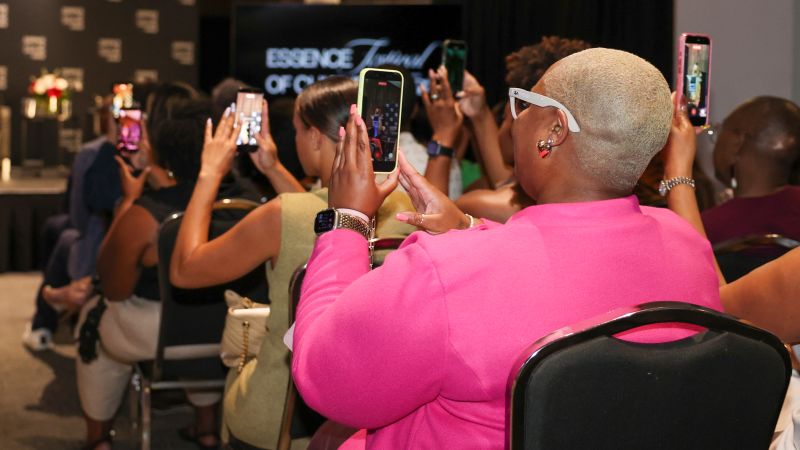
Facing drama and politics Essence Fest – As the Fourth of July approaches, New Orleans braces for a flood of attendees eager to immerse themselves in the vibrant celebration of Black excellence. This year’s Essence Festival of Culture promises to draw thousands, predominantly women, who will gather to witness the cultural and artistic contributions of the Black community. Among the highlights is a lineup featuring prominent figures like Michelle Obama, whose speeches often resonate deeply with the festival’s ethos, and musical acts such as Cardi B and Patti LaBelle. The event is more than entertainment—it’s a platform for fellowship, shopping, and indulging in the city’s rich culinary traditions. Yet, this year’s edition faces a unique set of challenges, as both the festival and its parent magazine navigate a turbulent political and cultural landscape.
A Legacy Under Scrutiny
Since its inception in 1995, the Essence Festival has stood as a cornerstone of Black cultural expression, drawing crowds that have grown exponentially over the decades. At its peak, the festival became a global phenomenon, attracting over half a million visitors annually and transforming New Orleans into a hub for Black beauty, wellness, and creativity. However, recent years have seen the event’s reputation strained by internal and external pressures. Last year’s edition, in particular, sparked widespread criticism, with attendees questioning its organization and focus. While not as chaotic as the infamous Fyre Fest, the festival’s disarray left many feeling disillusioned, especially as it appeared to drift from its roots in favor of broader, more commercially driven initiatives.
The controversy reached a fever pitch with a high-profile partnership between Essence and Target, a move that drew sharp backlash. The collaboration came shortly after Target faced a boycott for its perceived shift away from diversity, equity, and inclusion (DEI) policies. Critics argued that the alliance symbolized a departure from the festival’s original mission, which had long been dedicated to uplifting the Black experience. For many, the partnership felt like a betrayal of the community’s values, echoing concerns about the magazine’s evolving identity. “It’s the aunties who hold the culture,” said Deja Zhane, a beauty influencer, in a viral post last year. “And if it’s no longer centering older women or those who were here, what is this becoming?” Her words captured the sentiment of a generation that sees the festival as a vital space for cultural preservation.
Political Tensions and Cultural Shifts
The festival’s challenges are compounded by the political climate in Louisiana, where recent legislative changes have further fueled debates about representation. A newly approved Congressional map eliminated one of the state’s two majority-Black House districts, raising questions about the broader impact of such decisions on marginalized communities. For Essence, this aligns with a growing unease among attendees who feel the event is losing its cultural relevance. Rachel L. Grant, an associate professor at the University of Florida, emphasized the festival’s unique role as “a gathering place that speaks to the different facets of Black society, culture, and history.” Her perspective underscores the tension between the festival’s aspirational goals and its current performance.
Attendees like Grant have invested significant time and resources into the event, hoping it would deliver on its promise of celebration and connection. Yet, last year’s experience left some questioning whether the festival had become a hollow shell. Reports highlighted disorganization, late performances, and a perceived lack of attention to the political concerns of its core audience. Grant, who had planned to attend the 2025 edition, described her frustration during one of the weekend’s concerts. “The headliners started at 2:30 a.m., and by then, everyone was exhausted,” she recalled. “It felt like the festival was losing its way, prioritizing spectacle over substance.”
A Multifaceted Event in Crisis
The Essence Festival has always been a multifaceted celebration, blending music, film, literature, and culinary arts into a cohesive cultural experience. Over the years, it has expanded to include not just performances but also panels, workshops, and exhibits that reflect the diversity of Black life. However, this year’s edition must prove that the festival can adapt without sacrificing its identity. The stakes are high, with organizers citing an economic impact of $321 million and a contribution of $182.6 million to regional GDP. These figures highlight the festival’s significance as a driver of cultural and economic activity, yet they also underscore the urgency of addressing its shortcomings.
Among the most vocal critics is Deja Zhane, whose online critique of the festival’s direction resonated with many. She argued that Essence had shifted its focus from African American audiences to a more global demographic, diluting the event’s cultural authenticity. Her concerns mirror those of readers who have long felt the magazine’s evolution was a departure from its founding principles. “Essence used to be the voice of the women who’ve shaped our history,” Zhane explained. “Now, it feels like it’s chasing trends instead of honoring tradition.” These sentiments have sparked legal action, with anonymous writers from a 2020 Medium article accusing the magazine’s leadership of “cultural and corporate greed” and “unhinged abuse of power.” The article called for the resignation of Richelieu Dennis, the entrepreneur who acquired Essence from Time Inc. in 2018, and urged major companies to reconsider their ties to the publication.
The Road to Redemption
With the pressure mounting, this year’s festival is a critical test for Essence. Attendees, including those who spent thousands on tickets and travel, are now closely watching how the organizers address last year’s issues. The goal is to demonstrate that the event can recover from its recent missteps and reaffirm its role as a beacon of Black culture. For Grant, the key lies in restoring the festival’s connection to its roots. “If Essence is to remain relevant, it must speak to the people who have always been its foundation,” she said. “That means prioritizing stories that reflect the lived experiences of Black women and fostering a sense of community.”
The festival’s ability to balance commercial success with cultural integrity will determine its future. While its economic impact remains substantial, the narrative around its mission has shifted. In a world where DEI policies are under scrutiny, the Essence Festival is expected to serve as a symbol of resistance and celebration. The 2025 edition, which saw attendees leave concerts disheartened, was a turning point. Now, the question is whether this year’s event will reignite the spirit that made Essence a landmark in Black culture—or whether it will solidify a perception of decline. As the days unfold, the answer may shape the festival’s legacy for years to come.
Despite the challenges, the Essence Festival continues to attract a diverse crowd, from seasoned cultural advocates to new generations seeking representation. Its evolution reflects the broader changes in the Black community and the media landscape, but it also raises important questions about authenticity and purpose. The festival’s organizers are under pressure to deliver a seamless experience that honors its history while embracing innovation. Whether they succeed or fail, the event remains a microcosm of the struggles and triumphs of Black excellence in a rapidly changing world. As the parade of performers and thinkers takes the stage, the hope is that the Essence Festival will once again become a celebration that resonates with both its past and its potential future.
A Test of Resilience
The coming weeks will determine whether the Essence Festival can navigate its current crossroads. For the magazine, which has long been a trusted companion for Black women, the event is more than a social gathering—it’s a statement of cultural relevance. As the 2026 edition unfolds, it will be watched with a mix of anticipation and skepticism. The festival’s success will depend on its ability to blend the energy of entertainment with the depth of cultural storytelling. With the stakes as high as ever, the question is not just about the event itself, but about the broader vision of Black excellence that it aims to uphold.
As the sun sets over the streets of New Orleans, the festival’s ability to unify and inspire will be put to the test. Will it rise from the challenges of the past year or succumb to the pressures of a shifting landscape? For many, the answer lies in the hands of its organizers and the community they serve. The Essence Festival of Culture remains a powerful symbol of Black culture, and its journey this year will be a reflection of the resilience and adaptability of the very community it celebrates. Whether it’s a midlife crisis or a new chapter in its storied history, the festival’s future is intertwined with the hopes and concerns of those who have made it a cornerstone of their lives.
