
How to Raise Awareness About Climate Change Effectively

Discover how to raise awareness about climate change and inspire action with impactful strategies and educational campaigns.
Have you ever wondered why so many efforts to address environmental challenges fall short? The answer often lies in the way we communicate. Misinformation and confusion can derail even the best intentions. That’s why science-based communication is essential.
Organizations like the UN’s IPCC provide trusted, peer-reviewed data that can guide us. Their insights help us understand the global and local impacts of our actions. Every person has the power to make a difference by sharing accurate information.
In this article, we’ll explore how effective communication can inspire action. Together, we can create a more informed and engaged community. Let’s dive into the strategies that can help us drive meaningful change.
Understanding the Climate Crisis
The climate crisis is a complex issue that affects every corner of the world. It’s not just about rising temperatures or melting ice caps. It’s about how these changes impact communities, economies, and ecosystems on both a global and local scale.
Global Impact and Local Perspectives
On a global level, the crisis is driven by factors like energy consumption and greenhouse gas emissions. These elements contribute to extreme weather events, rising sea levels, and biodiversity loss. But the effects are felt differently in each region.
For example, coastal communities face flooding, while arid regions struggle with droughts. By examining these localized experiences, we can better understand the multifaceted nature of the issue. This approach also helps us connect abstract data to tangible realities.
The Science Behind Climate Change
Scientific evidence shows that human activities are the primary cause of the crisis. From burning fossil fuels to deforestation, our actions have far-reaching consequences. Understanding this science is the first step toward meaningful action.
By combining global statistics with local stories, we can create a more relatable narrative. This way, we empower individuals to see their role in addressing the crisis. Together, we can turn knowledge into impactful initiatives.
The Importance of Authoritative Information
In a world filled with conflicting information, finding trustworthy sources is more critical than ever. Reliable data helps us understand the challenges we face and guides our actions effectively. Without accurate information, efforts to address environmental issues can fall short.
Authoritative sources, like peer-reviewed studies and reports from trusted organizations, provide the foundation for informed decisions. These resources offer insights into emissions, their impact, and actionable solutions. By relying on verified data, we can build a stronger, more informed community.
Selecting Reliable, Peer-Reviewed Sources
When researching environmental topics, it’s essential to choose sources backed by scientific rigor. Peer-reviewed journals and reports from organizations like the UN ensure accuracy and credibility. These materials provide detailed emissions data and climate metrics that are essential for understanding the issue.
Double-checking sources before sharing them is a simple yet effective practice. This step ensures that the information we spread is factual and beneficial. By prioritizing verified data, we contribute to a more informed and engaged community.
Identifying and Combating Misinformation
Misinformation can spread quickly, especially on social media. Recognizing deceptive claims is the first step in combating false narratives. Look for red flags like sensational language or lack of credible references.
Sharing only evidence-backed facts helps prevent the spread of misinformation. Encourage others in your community to verify sources before sharing. Together, we can create a culture of accuracy and trust in the fight against environmental challenges.
How to Raise Awareness About Climate Change
Clear and relatable messaging can transform how people perceive and act on environmental issues. When we communicate effectively, we bridge the gap between complex data and actionable steps. This section explores strategies to craft messages that resonate and inspire.
Crafting Clear and Impactful Messages
To drive climate action, our messages must be both clear and compelling. Start by linking scientific facts to relatable stories. For example, instead of focusing solely on carbon emissions, explain how reducing energy use can lower bills and protect the environment.
Breaking down complex ideas into simple segments is another effective tip. Use analogies or visuals to make abstract concepts tangible. This approach helps diverse audiences understand their role in addressing environmental challenges.
Engaging Trusted Messengers and Stories
Trusted messengers, like scientists or local influencers, can amplify our messages. Their credibility makes it easier for people to connect with the information. Pair their expertise with personal stories to create an emotional impact.
For instance, share how a community reduced its carbon footprint through small, collective actions. These narratives turn abstract ideas into relatable, actionable steps. Combining effective messages with compelling visuals can further galvanize climate action.
By focusing on clarity, trust, and storytelling, we can inspire meaningful change. Together, we can create a more informed and engaged community ready to tackle environmental challenges.
Mobilizing Community Action
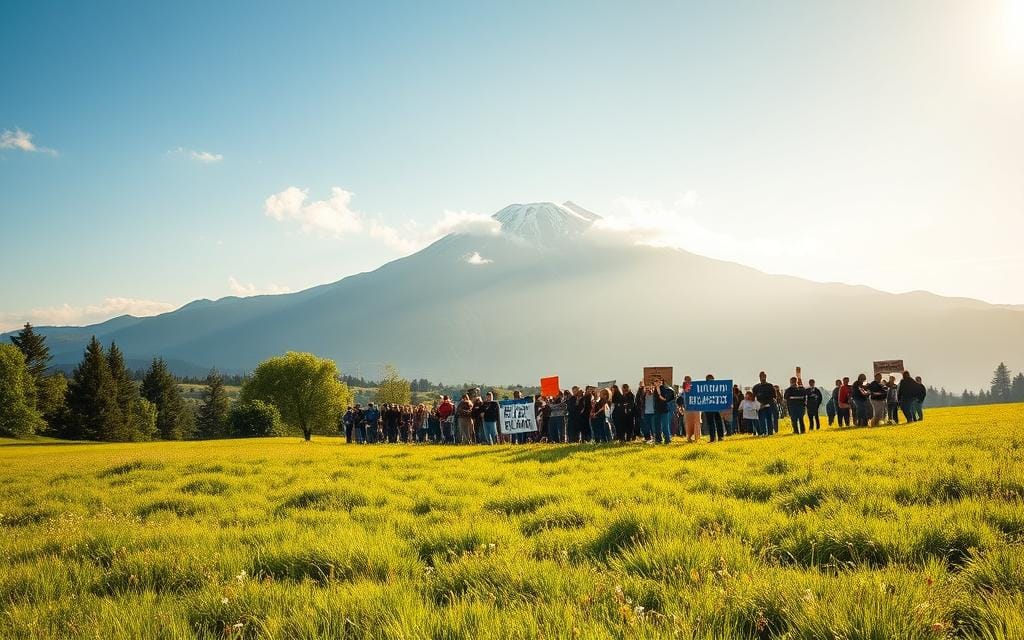
Communities hold the power to drive meaningful change when they unite for a common cause. Grassroots movements are a powerful way to address environmental challenges at the local level. These efforts, when combined with public pressure, can influence policy and accelerate progress.
Inspiring Local Initiatives and Grassroots Movements
Local initiatives often start small but can grow into impactful movements. For example, a neighborhood recycling program can inspire similar efforts across the country. These stories of success show how community power can make a difference.
Here are some key facts about grassroots movements:
| Initiative | Impact |
|---|---|
| Community Cleanups | Reduced local pollution by 30% in one year |
| Urban Gardening | Increased green spaces and improved air quality |
| Energy Efficiency Campaigns | Lowered household energy use by 20% |
These examples demonstrate how local efforts can create country-wide change. By organizing events, rallies, and workshops, we can turn knowledge into action. Every small step contributes to the broader dialogue on environmental issues.
Collective power is essential in influencing political decisions. When communities come together, they can drive reforms that benefit everyone. Let’s harness this power to make a lasting impact.
Creative Outreach and Educational Initiatives
Modern tools like social media and workshops can amplify our message effectively. By using multimedia platforms, we can engage diverse audiences and inspire action. Creative outreach is essential for making complex ideas accessible and relatable.
Utilizing Multimedia and Social Media Platforms
Videos, podcasts, and social media posts are powerful tools for spreading accurate information. These formats allow us to share stories and data in an engaging way. For example, a short video can explain the impact of energy use on the environment in just a few minutes.
Social media platforms like Instagram and Facebook help us reach a wider audience. By using impactful words and visuals, we can stimulate discussion and encourage sharing. Families can also play a role by creating and sharing content that resonates with their networks.
Interactive Workshops and Campaigns
Interactive workshops provide hands-on learning experiences. These sessions can teach participants about sustainable practices and inspire them to take action. For instance, a workshop on reducing household waste can empower families to make eco-friendly choices.
Online campaigns are another effective method. They combine education with community engagement. Here are some examples of successful initiatives:
| Campaign | Outcome |
|---|---|
| #GreenLivingChallenge | Increased recycling rates by 25% in participating communities |
| Energy Efficiency Webinars | Helped households reduce energy use by 15% |
| Urban Gardening Workshops | Created over 100 new community gardens |
These campaigns show how creative outreach can energize local groups. By using modern tools, we can boost awareness and inspire collective action. Together, we can make a meaningful impact on environmental challenges.
Addressing the Justice and Equity Dimensions
The intersection of environmental challenges and social justice reveals a pressing need for inclusive solutions. Marginalized communities often bear the brunt of environmental issues, from polluted air to limited access to clean water. Addressing these inequities is not just about fairness—it’s about ensuring a healthier planet for everyone.

Inclusive Strategies for Marginalized Communities
Inclusive strategies are essential to tackle the disproportionate impact of environmental issues on vulnerable groups. For example, improving waste management systems in underserved areas can reduce pollution and improve public health. Sustainable food practices, like community gardens, can provide fresh produce while reducing carbon footprints.
Real-life examples show how these strategies work. In one article, a community transformed a vacant lot into a thriving urban garden. This initiative not only provided fresh food but also strengthened community bonds. Such projects demonstrate how environmental sustainability and social justice can go hand in hand.
Ensuring everyone has access to accurate information is another critical step. Educational campaigns can empower communities to take action. By framing environmental issues as both ecological and social crises, we can inspire collective efforts to protect our planet.
Tackling injustice is about more than correcting inequities—it’s about safeguarding the future for generations to come. Together, we can create a world where everyone has the opportunity to contribute to a healthier, more sustainable planet.
Practical Steps for Environmental Sustainability
Small changes in our daily lives can lead to big impacts on the environment. By focusing on practical solutions, we can reduce our carbon footprint and address the climate crisis effectively. Let’s explore actionable steps that every household can take to contribute to a healthier planet.
Conducting Home Energy Audits and Reducing Waste
Home energy audits are a great way to identify areas where we can save energy. These audits help us understand how much energy we use and where we can cut back. Simple fixes, like sealing windows or upgrading insulation, can make a big difference.
Reducing waste is another key step. Start by recycling and composting to minimize landfill contributions. Make sure to avoid single-use plastics and opt for reusable alternatives. These small changes can add up to significant environmental benefits.
Promoting Repair, Reuse, and Upcycling Practices
Repairing items instead of replacing them is a sustainable solution. It not only saves money but also reduces waste. Encourage friends and neighbors to adopt this practice by sharing repair tips and resources.
Upcycling is another creative way to give old items new life. Turn an old jar into a plant pot or transform worn-out clothes into cleaning rags. These practices help us move toward a circular economy, where waste is minimized, and resources are reused.
Here are some examples of successful sustainability projects:
| Initiative | Outcome |
|---|---|
| Community Energy Audits | Reduced household energy use by 15% |
| Zero-Waste Workshops | Diverted 50% of waste from landfills |
| Upcycling Challenges | Reused over 1,000 items in one year |
By taking these steps, we can make sure our actions align with sustainable goals. Sharing information and experiences with friends and neighbors fosters a culture of environmental responsibility. Together, we can create solutions that address the crisis and protect our planet for future generations.
Collaborating with Local Leaders and Policymakers
Engaging with policymakers is a powerful way to drive sustainable change in our communities. By working together, we can ensure that environmental priorities are addressed effectively. Local leaders have the influence to turn our collective efforts into impactful policies.
Effective Communication with Elected Officials
Proactive communication with elected officials ensures our voices are heard. When reaching out, focus on clear, fact-based messages that highlight the local impact of carbon footprint reduction. Use reliable sources to support your points and make your case compelling.
Here are some tips for effective communication:
- Keep messages concise and focused on key issues.
- Use data and examples to illustrate the urgency of sustainability efforts.
- Request specific actions, such as supporting green initiatives or funding local projects.
Organizing Rallies and Community Meetings
Rallies and community meetings are excellent ways to showcase our commitment to sustainability. These events bring people together, fostering a sense of unity and purpose. They also provide a platform to share ideas and inspire collective action.
To organize a successful rally or meeting:
- Choose a central location and promote the event through social media and local networks.
- Invite trusted messengers, like scientists or community leaders, to speak.
- Focus on actionable steps attendees can take to reduce their carbon footprint.
By collaborating with local leaders and organizing impactful events, we can drive meaningful change. Together, we can create a more sustainable future for our communities.
Conclusion
Taking action now is essential to secure a sustainable future. This guide has highlighted the importance of clear communication, reliable data, and community-driven projects to address environmental challenges. Every step we take today brings us closer to achieving net zero emissions.
From grassroots movements to creative outreach, we’ve explored actionable strategies that make a difference. These efforts show how collective action can drive meaningful change. By working together, we can amplify the message and inspire others to join the cause.
Let’s treat this guide as a lasting resource for positive change. The time to act is now. Together, we can create a healthier planet for generations to come.
Ready to make a difference? Visit earthguardiansonline.com and join the movement to protect our planet today!
FAQ
What is the global impact of the climate crisis?
The climate crisis affects every corner of the world, from rising sea levels to extreme weather events. Local communities face unique challenges, making it essential to address both global and regional perspectives.
How can we identify reliable sources of information?
Look for peer-reviewed studies and reports from trusted organizations like the Intergovernmental Panel on Climate Change (IPCC) or NASA. Always verify facts and avoid sharing unverified claims.
What are effective ways to craft impactful messages?
Use clear, relatable language and share personal stories. Highlight solutions and emphasize the positive impact of collective action to inspire others.
How can communities take meaningful action?
Start local initiatives like tree planting or clean-up drives. Engage neighbors, schools, and businesses to create grassroots movements that drive real change.
What role does multimedia play in education?
Videos, infographics, and social media campaigns can simplify complex topics and reach a wider audience. Interactive workshops also help people connect with the issue on a deeper level.
Why is equity important in climate strategies?
Marginalized communities often bear the brunt of environmental issues. Inclusive approaches ensure everyone benefits from solutions and has a voice in decision-making.
What are practical steps for reducing carbon footprints?
Conduct home energy audits, reduce waste, and adopt practices like repairing and upcycling. Small changes in daily habits can lead to significant environmental benefits.
How can we collaborate with local leaders?
Communicate effectively with elected officials by presenting data-driven solutions. Organize rallies and community meetings to amplify your message and push for policy changes.
