RFK Jr. orders passenger from hantavirus-stricken cruise to remain in quarantine in Nebraska, despite CDC recommendation

U.S. Health Official Keeps Hantavirus Passenger in Quarantine Amid CDC Dispute
RFK Jr orders passenger from hantavirus – Angela Perryman, a 47-year-old American traveler infected with hantavirus during a cruise on the MV Hondius, remains under federal quarantine in Nebraska despite recommendations from the Centers for Disease Control and Prevention (CDC) to allow her to return home to Florida. The order, issued by Robert F. Kennedy Jr., the U.S. Health and Human Services Secretary, has sparked debate over the balance between public health measures and individual rights. Perryman claims the situation feels like a “political stunt,” with her serving as a symbol in a broader conflict between state and federal health authorities.
Quarantine Logistical Challenges
On May 18, 18 U.S. passengers aboard the MV Hondius were transported to the National Quarantine Unit at Nebraska Medical Center after exposure to a rare hantavirus strain. While some opted to stay voluntarily for the full 42-day monitoring period, most were released under the condition that their state health departments would conduct daily symptom checks and maintain 24/7 oversight through June 21. Ten individuals have since left the facility, but Perryman’s case remains unresolved.
“At this point, it’s just a state-federal spat, and I’m just a hostage,” Perryman told CNN. She expressed frustration over the prolonged isolation, noting that her home state of Florida has not adopted the federal monitoring protocol, which requires stricter supervision. Her release was initially scheduled for May 31, but the CDC extended the quarantine to June 21, citing the need for additional safeguards. Perryman requested a review of this extension, arguing that the restrictions were unnecessary.
The CDC’s decision to extend Perryman’s quarantine was scrutinized by Dr. Michael Bell, a medical reviewer from the agency. Bell, along with experts Dr. Christopher Braden and Dr. David Fitter, conducted a hearing to assess whether the federal order should be rescinded. Bell’s report concluded that Florida’s proposed once-daily telehealth monitoring could effectively replace the federal requirement, provided the state agreed to take responsibility for her care. “The testimony at the medical hearing persuaded me that measures CDC is imposing on Ms. Perryman are not the least restrictive available,” Bell wrote, emphasizing that the original intent of the quarantine was to prevent public exposure to infectious individuals.
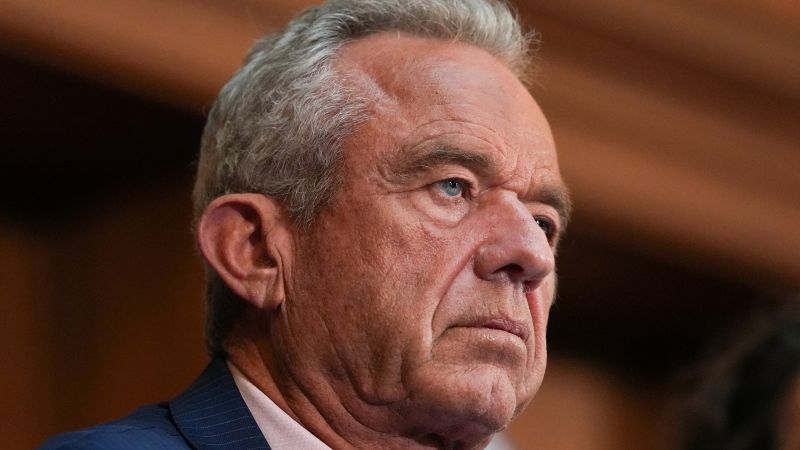
However, Kennedy rejected the recommendation, maintaining that the federal quarantine was essential to protect public health. In his order, he stated, “Having considered the medical reviewer’s findings and the evidence in the administrative record, I find that the requirements for Federal quarantine continue to be met.” The decision has drawn criticism from Perryman, who feels the situation is being politicized. “If there had been a clear scientific justification from the start, I would have supported it,” she said, highlighting her growing distrust of federal health officials.
State vs. Federal Quarantine Disputes
The conflict centers on differing approaches to monitoring. Florida’s plan involves telehealth check-ins, while the CDC’s protocol mandates continuous oversight. Perryman’s case became a focal point in this debate, with her being the only remaining passenger under federal quarantine. Nebraska Medical Center has directed all inquiries about the order to the CDC, leaving Florida’s Department of Health to address the discrepancy. “The Administration’s quarantine order is necessary to ensure both Ms. Perryman’s and her community’s wellbeing,” said a HHS spokesperson, Courtney Spencer, adding that Kennedy had considered Bell’s findings but aligned with CDC Director Dr. Jay Bhattacharya’s stance.
Perryman’s experience has fueled her skepticism toward the health system. She described the situation as a “trap,” citing repeated promises that have been withdrawn. “I feel like I’m in prison,” she said, expressing hope that her case would set a precedent for others in similar circumstances. The CDC’s extension of the quarantine period has been seen by some as overcautious, given that hantavirus symptoms typically appear within a few weeks of exposure. However, the agency emphasized the importance of maintaining strict protocols to account for the virus’s potential for rapid spread.
Public Health Implications and Community Impact
The decision to keep Perryman in quarantine raises questions about the flexibility of public health measures. While the CDC aims to prevent outbreaks by controlling the spread of the virus, critics argue that the extended restrictions may be excessive. Perryman’s case has also highlighted the challenges of coordinating between federal and state agencies, particularly when local authorities refuse to adopt the same level of oversight. “If there was a scientific reason for this, I would have agreed,” she said, but the lack of transparency has left her feeling sidelined.
Experts have weighed in on the matter, with some supporting the CDC’s approach and others questioning its necessity. Dr. Bell’s report, which spans nine pages, outlined the potential for Florida’s less restrictive monitoring to be sufficient. “This less restrictive alternative is adequate to protect public health,” he stated, citing evidence that the state’s plan could still meet the quarantine’s goals. Yet, the federal government has remained steadfast, insisting that Perryman’s case requires additional caution.
As the situation unfolds, Perryman’s experience has become a symbol of the broader tension between individual freedoms and public safety. Her story underscores how quarantine decisions can have personal and political ramifications. “It’s not just about me,” she said. “It’s about how the system treats people who are in a vulnerable position.” The dispute may influence future policies on handling infectious disease outbreaks, particularly in the context of international travel and cross-state coordination.
Broader Context and Future Outlook
The MV Hondius incident has drawn attention to the challenges of managing public health crises in a decentralized system. While the CDC has the authority to enforce quarantine measures, state departments often play a critical role in their implementation. Perryman’s case has tested that collaboration, revealing discrepancies in how different levels of government interpret the same guidelines. As the 42-day period approaches its end, the resolution of her case will likely depend on Florida’s willingness to commit to federal monitoring standards.
Public health officials stress that the quarantine order is a precautionary measure, given the severity of hantavirus. The disease, which can lead to severe respiratory issues and even fatalities, is transmitted through rodent droppings, making exposure on a cruise ship a significant concern. Despite the risks, Perryman’s prolonged stay in Nebraska has sparked discussions about the fairness of such measures. “The goal is to protect the public, but it’s important that the process is transparent and based on science,” she said, calling for a more collaborative approach between federal and state agencies.
As the dispute continues, the fate of Perryman and others in similar situations will hinge on the outcome of this legal and medical battle. The case has also raised questions about the role of political figures in public health decisions, with Kennedy’s order being viewed as a mix of scientific caution and administrative control. For Perryman, the situation represents a personal struggle against a system she feels has lost its trustworthiness. “I want to finish my quarantine, but I also want to know why I’m being treated differently from others,” she said, expressing a desire for clarity and accountability.
The MV Hondius incident serves as a reminder of the complexities involved in managing infectious disease outbreaks. While the CDC’s protocols are designed to minimize risks, their application can vary depending on state cooperation. Perryman’s case may ultimately shape how such quarantines are handled in the future, balancing the need for safety with the rights of individuals. As the 42-day period nears completion, the resolution of her stay will be closely watched by both the public and