
Rubio says Americans who test positive for Ebola at Kenya facility could end up being treated in US
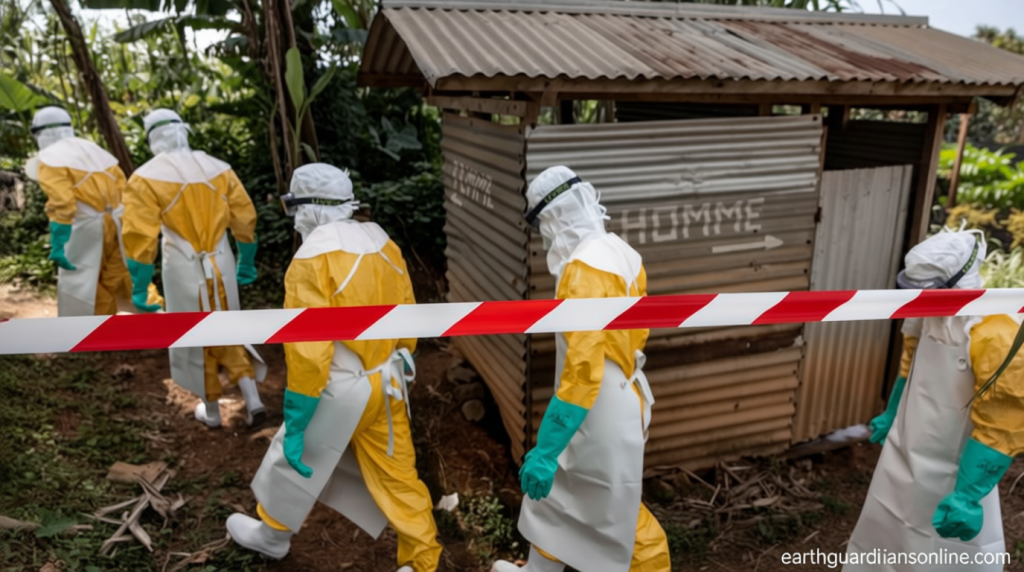
Rubio Says Americans with Ebola in Kenya Could Be Treated in U.S.
Rubio says Americans who test positive – During a Senate hearing, U.S. Secretary of State Marco Rubio outlined a potential shift in policy regarding the care of Americans diagnosed with Ebola while in Kenya. This approach contrasts with the Trump administration’s strict measures, which barred infected individuals from entering the United States. Rubio clarified that if Americans test positive for the virus at a Kenyan facility, they could be transported to the U.S. for treatment, reflecting a more adaptable strategy to manage the outbreak.
Clarifying the Controversy
Rubio addressed concerns about the policy change, explaining that the U.S. is not requesting Kenya to establish a dedicated treatment center for American citizens. The facility in question is a shared space for both Kenyan and U.S. personnel, primarily used for observation. “If any American is exposed to the virus, they will be moved to this facility for monitoring,” he stated. The decision to transfer them for treatment would depend on their health status during the quarantine.
“We’re not asking Kenya to create a treatment program specifically for Americans. The facility is available to all, and if an American tests positive at any point, we will arrange their removal from Kenya and send them to the nearest treatment center—whether in Europe, their home country, or the United States,” Rubio emphasized.
International Response and Logistics
The Kenya-based facility has sparked debate over its role in potential virus spread. While some argue it could bring Ebola to the U.S., Rubio defended the plan, stating the government would act swiftly to isolate cases. The State Department’s updated guidelines now allow asymptomatic Americans to be quarantined in Kenya for 21 days, a move that balances containment with international cooperation. This strategy is supported by U.S. medical teams stationed abroad to provide care if needed.
Logistics for transferring infected individuals remain a key focus. If symptoms develop during quarantine, specialized evacuation procedures are in place to ensure prompt medical attention. The State Department’s document outlines that these transfers would prioritize safety, but specific details about treatment locations and protocols are still under review by health officials.
Rubio’s policy adjustment highlights evolving priorities in handling global health threats. The previous administration’s rigid stance aimed to prevent the virus from entering the U.S., but the new approach acknowledges the need for flexibility. This shift aligns with broader discussions on how to manage contagious diseases in a connected world, emphasizing preparedness over isolation.
Historical Context and Public Reaction
Rubio’s policy change follows a period of heightened awareness about Ebola’s impact. During the 2014 outbreak, the U.S. implemented strict protocols to limit exposure, including screening at airports. Now, the updated strategy allows for Americans to be treated abroad if necessary, balancing security with the practicality of international health cooperation.
Public sentiment on the policy change is divided. Supporters argue that the new plan enables more efficient virus control and reduces pressure on Kenya’s healthcare system. Critics, however, worry about the risk of introducing Ebola to the U.S. or other regions. The debate underscores the tension between preventing outbreaks and maintaining diplomatic ties through shared resources.
While the revised guidelines offer clarity, they leave room for interpretation. The exact criteria for determining when an American should be sent for treatment are still being refined, and the process for rapid evacuation remains under scrutiny. Health officials stress that the U.S. will prioritize safety, ensuring that any individual testing positive for Ebola receives timely care regardless of location.
