
Social media use at a young age is linked to earlier experimentation with drugs and alcohol
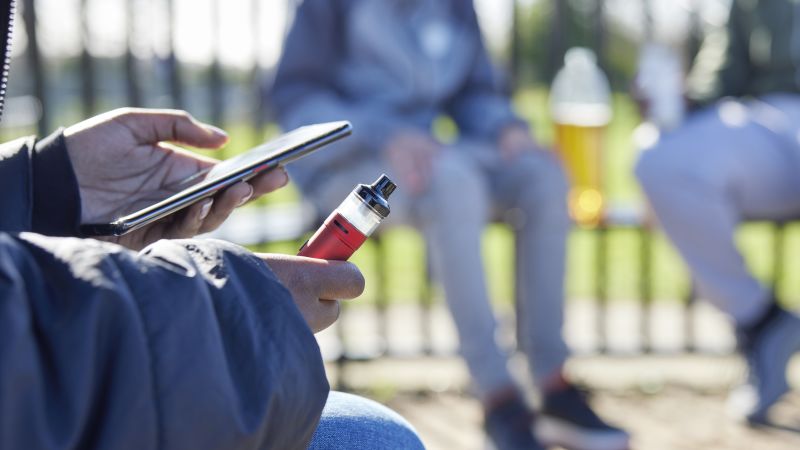
Social Media Use in Youth Linked to Early Substance Experimentation
Social media use at a young – Research indicates that social media use at a young age may influence the timing of substance experimentation in adolescents. While most platforms require users to be at least 13, about 40% of children aged 8 to 12 are already active online. A recent study published in The American Journal of Psychiatry suggests that the age at which children begin using social media correlates with earlier exposure to drugs and alcohol. The findings highlight how early digital engagement could shape behaviors, particularly during formative years when peer influence and media exposure are most impactful.
Distinct Patterns of Social Media Adoption
Dr. Jason M. Nagata, the study’s lead author and a pediatrics professor at the University of California, San Francisco, identified four distinct social media usage patterns among adolescents aged 9 to 16. These groups were based on data collected over four years from the Adolescent Brain Cognitive Development Study. The classifications included: minimal or no use, moderate gradual adoption, mid-onset rapid growth, and early-onset rapid engagement. Notably, the early-onset group consisted of children who started using social media before age 11, with some as young as 9, while the mid-onset group began around 11.
“Rather than focusing on average social media exposure, we analyzed how individual usage patterns evolved over time,” said Dr. Courtney Blackwell, an associate professor at Northwestern University’s Feinberg School of Medicine. “This approach allowed us to categorize adolescents based on their trajectory of engagement, which is critical for understanding behavioral trends.”
The study found that adolescents in the increasing usage groups were more likely to experiment with substances than those with limited exposure. For example, teens in the early-onset rapid group had nearly 17 times the risk of cannabis use and 14 times the likelihood of tobacco experimentation compared to peers with minimal or no use. However, the research acknowledges that social media use alone does not guarantee substance use—other factors like family environment and peer pressure also play a role.
Content Exposure and Attitudinal Shifts
Researchers noted that the type of content adolescents encounter on social media significantly affects their views on substances. Over half of teens reported seeing alcohol-related marketing online, while nearly 61% of their peers shared such content. social media use at a young age exposes children to a curated portrayal of substance use, often emphasizing positive outcomes like fun or social acceptance. “Social media platforms showcase substance use in a way that highlights enjoyment, which can skew perceptions,” Nagata explained.
“The content is selective—it rarely shows the negative consequences of substance use,” Nagata added. “This could lead to a perception that using drugs or alcohol is a normal or desirable activity, especially for young audiences still developing their understanding of risk.”
Blackwell’s team also found that adolescents who consumed more cannabis-related content were more inclined to try it. The study further revealed that 77% of substance-related posts across nine categories were positive, based on a review of 73 studies. Such content may normalize substance use, reinforcing the idea that it’s a socially acceptable or even beneficial behavior during key developmental stages.
Targeted Advertising and Behavioral Influence
The research underscores the impact of targeted social media advertising on adolescent decisions. For instance, alcohol ads often use vibrant visuals and relatable scenarios to appeal to younger audiences. A separate study noted that in Australia, nearly 40,000 alcohol-related ads appeared on Facebook and Instagram in a single year. Many of these included interactive elements like “Buy Now” prompts, creating a direct link between online exposure and purchasing behavior.
Broader Implications for Adolescent Development
Experts caution that social media use at a young age is one factor among many influencing substance experimentation. Peer pressure, family habits, and cultural norms also shape young people’s choices. However, the study suggests that early and frequent social media use could amplify these effects, especially when paired with exposure to substance-positive content. This combination may create a reinforcing cycle where digital engagement and favorable attitudes intersect, increasing the likelihood of early experimentation.
Policy and Parental Considerations
The findings have prompted discussions about the role of policy in regulating social media for younger users. Some advocates argue for raising the minimum age for account creation or implementing age-appropriate content filters. Parents and educators are also encouraged to monitor digital habits and engage in conversations about media influence. “Understanding how social media use at a young age interacts with other risk factors is essential for developing effective prevention strategies,” Blackwell said.
“The key is not just limiting screen time, but ensuring children have the tools to critically evaluate the content they consume,” Nagata emphasized. “This helps them form balanced views about substance use rather than relying solely on digital portrayals.”
