
Why people should be vigilant about food safety this July Fourth
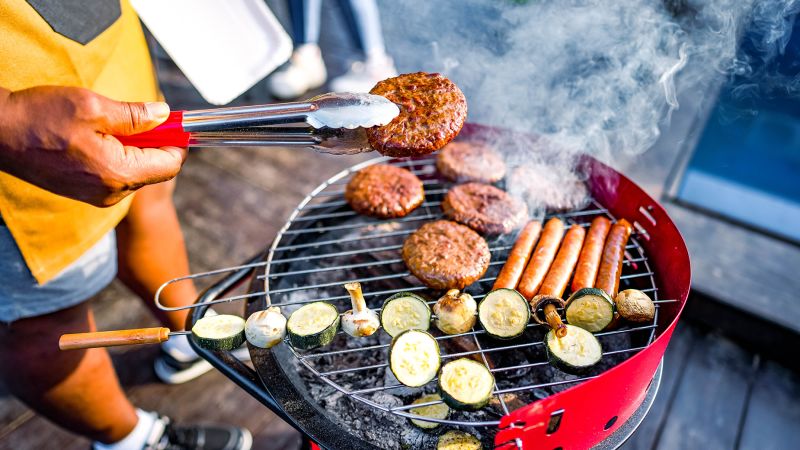
Why people should be vigilant about food safety this July Fourth
Why people should be vigilant about – As the summer heat intensifies, July Fourth celebrations are often accompanied by a surge in outdoor grilling and picnicking. However, this year’s extreme weather conditions have raised concerns about food safety. With temperatures soaring to unprecedented levels, the risk of foodborne illnesses increases, particularly when perishable items are left exposed to heat for extended periods. Dr. Leana Wen, a CNN wellness expert, highlights the importance of maintaining food safety protocols during this high-risk period.
The Impact of Heat on Food Safety
Heat waves not only affect human comfort but also create ideal conditions for bacteria to multiply rapidly. Perishable foods, such as raw meats, dairy products, and salads, are especially vulnerable. Dr. Wen explains that when temperatures exceed 90 degrees Fahrenheit, the window for safely leaving food out shrinks significantly. “Under normal circumstances, perishable foods can remain unrefrigerated for up to two hours,” she notes. “But in hotter weather, this time is cut to just one hour.” This means that even the most carefully prepared meals can become unsafe if not handled properly.
“According to the US Centers for Disease Control and Prevention, there are around 9 million episodes of foodborne illness annually. These illnesses primarily occur when people ingest food or drink that has been contaminated with bacteria, viruses, or parasites.”
Key Precautions for Grilled Foods
Grilled meats, burgers, and potato salads are staples of summer festivities, but their safety depends on precise cooking and storage practices. Dr. Wen emphasizes that undercooked meat is a major source of contamination. “The best way to ensure thorough cooking is to use an internal thermometer,” she advises. “This tool helps verify that the food has reached the necessary temperature to kill harmful pathogens.” For example, chicken should be cooked to at least 165 degrees Fahrenheit, while ground beef requires a minimum of 160 degrees Fahrenheit. Once cooked, these items should be kept at 140 degrees Fahrenheit or higher until served to prevent bacterial growth.
Refrigeration before cooking is equally critical. Raw meat should be stored in the fridge rather than left at room temperature, as it can become a breeding ground for bacteria. “Remove it from the refrigerator just before placing it on the grill,” Wen suggests. “This minimizes the time it spends in the danger zone, where temperatures between 40 and 140 degrees Fahrenheit allow microbes to thrive.” Proper handling not only reduces the risk of illness but also ensures the best possible taste and texture of the final dish.
Managing Food in High-Temperature Environments
For those hosting gatherings in places without refrigeration, such as parks or outdoor venues, Dr. Wen recommends using a well-insulated cooler filled with ample ice. “The cooler should maintain a temperature of 40 degrees Fahrenheit or below for raw ingredients,” she says. “This keeps the meat fresh and prevents cross-contamination with other foods.” She also highlights the importance of sealing raw meat in airtight bags to avoid spreading bacteria to vegetables, fruits, or other uncooked components.
Separating utensils and plates for raw meat from those used for other foods is another essential step. “Labeling containers and tools that touch raw meat helps prevent accidental mixing,” Wen explains. “This practice is crucial because bacteria from raw meat can transfer to ready-to-eat items, posing a risk to guests.” By following these steps, hosts can create a safer environment for everyone enjoying their summer meal.
Hygiene and Handwashing
Hand hygiene plays a vital role in preventing the spread of foodborne pathogens. Dr. Wen stresses that after handling raw meat, it’s imperative to wash hands thoroughly with soap and water. “Failing to do so can lead to contamination of other foods,” she warns. “For instance, moving directly from raw hamburger to a salad can introduce harmful bacteria into the dish.” This simple habit can significantly reduce the chances of illness, especially in households with young children, elderly individuals, or immunocompromised members.
“Yes, absolutely. You don’t want to go right from handling raw hamburger meat to making a salad. Make sure to wash your hands well with soap and water each time after handling raw meat.”
Addressing Health Concerns Beyond Food
While food safety is a primary focus, Dr. Wen also reminds readers to consider other health factors during the heat. “Staying hydrated and cool is essential,” she says. “Dehydration can occur quickly in high temperatures, leading to fatigue and dizziness.” She recommends drinking plenty of water, avoiding sugary or alcoholic beverages that can exacerbate fluid loss, and using fans or cool water baths to regulate body temperature. These measures are particularly important for pets, who are also at risk of heat-related illnesses.
Wen also addresses recent concerns about the avian flu outbreak, which has raised questions about the safety of chicken and eggs. “Last year’s avian flu did not make it unsafe to consume these products,” she clarifies. “As long as meat and eggs are cooked to the recommended temperatures, they remain safe to eat. However, milk should still be handled with care, as it can also carry harmful bacteria if not properly stored.” Her advice underscores the need for vigilance in all aspects of food preparation.
Conclusion: A Safe and Enjoyable July Fourth
By combining proper cooking techniques, refrigeration, and hygiene practices, families can enjoy their Fourth of July festivities without worrying about foodborne illnesses. Dr. Wen encourages people to stay informed about food safety guidelines and adapt them to the current weather conditions. “The key is to stay proactive,” she concludes. “With a few simple steps, we can ensure that our summer meals are both delicious and safe.” As the sun beats down, taking these precautions will help everyone stay cool, healthy, and ready to celebrate.
Whether grilling at home or enjoying a backyard barbecue, the principles of food safety remain consistent. From maintaining the correct internal temperatures to separating raw and cooked foods, every detail matters. By prioritizing these steps, we not only protect ourselves but also set a standard for safe food handling that can be applied to any summer event.
Remember, the goal is to enjoy the holidays without the risk of illness. With the right preparation and awareness, July Fourth can be a time of fun, food, and family, all while keeping health in mind.
