
Creative Nature Portrait Background Ideas to Enhance Your Photography
Creative Nature Portrait Background Ideas to Enhance Your Photography
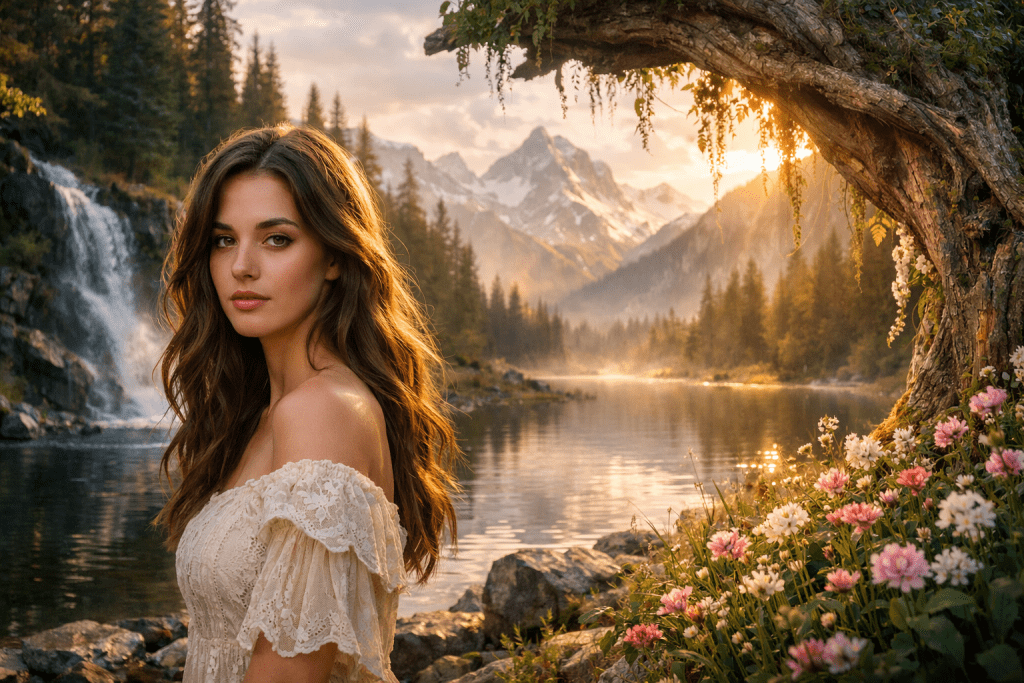
Capturing a stunning portrait often hinges on more than just the subject. The background plays a crucial role in creating the perfect atmosphere and emphasizing the beauty of the subject. If you’re looking for ways to enhance your nature portraits, there are a variety of nature portrait background ideas that can transform your photography. Whether you’re working with natural landscapes or subtle outdoor elements, the right background can elevate your portraits and make them stand out.
1. Incorporating Trees and Forests for Depth
Trees, whether towering giants or delicate saplings, offer a variety of opportunities to create dynamic nature portrait backgrounds. The dense foliage of a forest can provide rich textures, allowing you to play with light and shadows. Positioning your subject near the trees will not only frame them but also add a sense of depth to the photograph.
When shooting in a forest or wooded area, the key is to ensure the background complements, rather than overwhelms, the subject. A blurred forest backdrop can provide a soft, natural setting, while closer trees can bring texture and structure to the image.
Tip: Use the trees to create leading lines that draw the viewer’s eye towards the subject. A pathway lined with trees or a row of branches can guide focus directly to your model.
2. Beach and Coastal Settings for Serene Backdrops
For a more tranquil and open setting, a beach or coastal scene can make an ideal backdrop for nature portraits. The expansive horizon, soft sand, and gentle waves create a serene, calming environment that enhances the peaceful nature of the subject. The soft, diffused light near the water during early morning or late afternoon (the golden hour) is perfect for capturing subtle details without harsh shadows.
A beach background can also introduce contrasting elements, such as a striking sunset or a dramatic stormy sky, adding depth and mood to the shot.
Tip: Position your subject slightly off-center to give the background, like the ocean or a sunset, room to breathe, adding both balance and visual interest.
3. Gardens and Floral Backgrounds for Vibrant Colors
Nature portraits taken in gardens or among vibrant flowers are perfect for adding pops of color to your photos. Nature portrait background ideas involving colorful blooms like roses, sunflowers, or wildflowers can help inject life into your portraits while maintaining an organic, natural feel. These types of backgrounds often evoke feelings of happiness, warmth, and serenity.
When using gardens or floral areas, consider the colors of the flowers in relation to your subject’s clothing or complexion. Opt for colors that complement your subject, or experiment with contrasting colors for a bold look.
Tip: Use a shallow depth of field to keep the flowers slightly blurred in the background, focusing all attention on the subject while still showcasing the vibrant environment.
4. Mountain and Hilltop Views for Majestic Scenery
For more dramatic and awe-inspiring backgrounds, mountain ranges and hilltops are an excellent choice. The vastness of mountains or rolling hills in the distance adds a sense of grandeur to your portrait. The rugged textures of rock formations and the lush greenery surrounding them provide striking contrasts against your subject, giving the image a sense of depth and scale.
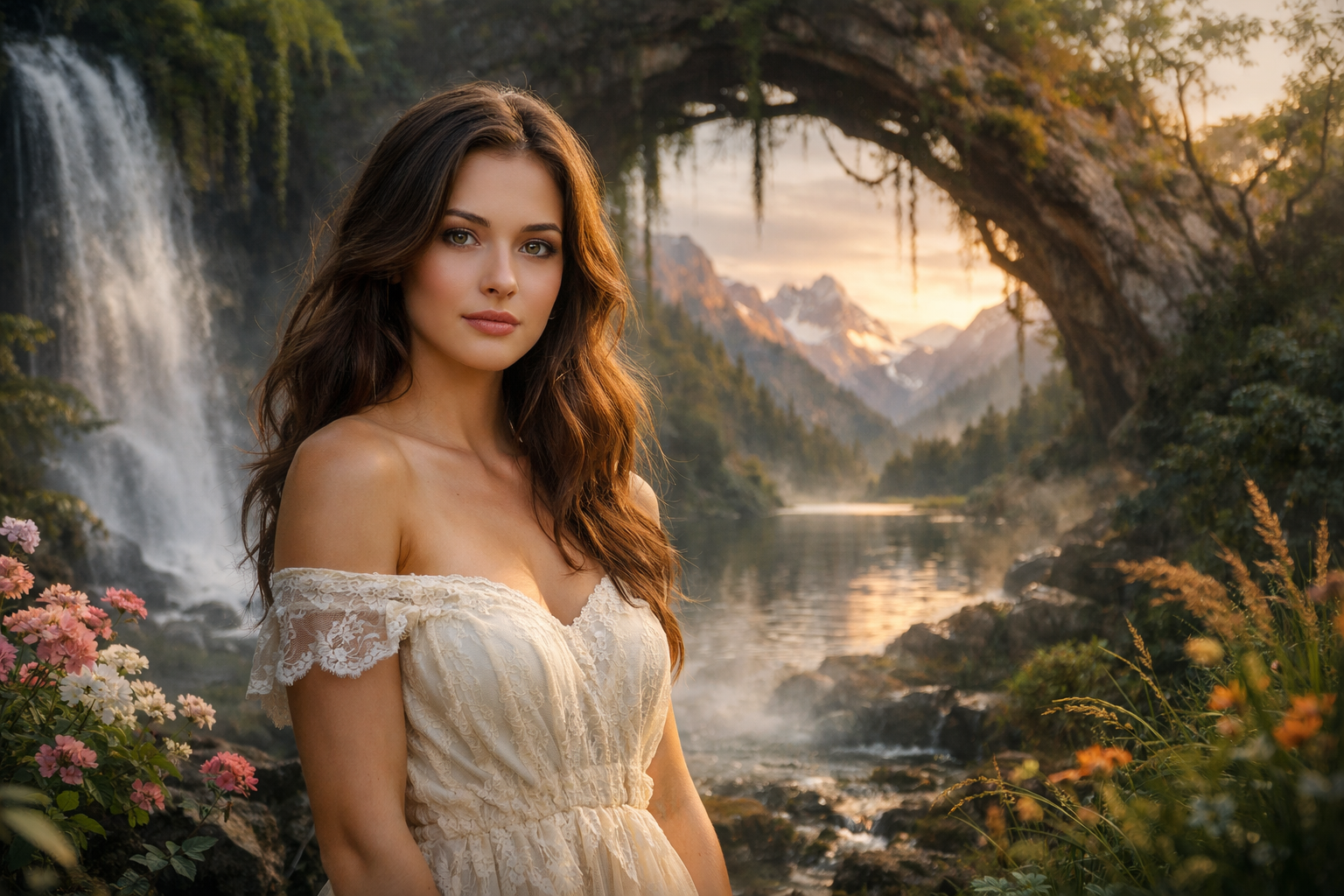
Shooting from a high vantage point or on a hilltop can also allow for breathtaking views, especially during sunrise or sunset, where the changing light casts magical hues across the scene.
Tip: Focus on using the landscape to frame your subject, allowing the mountains or hills to act as a natural backdrop that enhances the overall composition.
5. Waterfalls and Rivers for Dynamic Movement
Waterfalls, rivers, and streams introduce an element of motion that can add life and energy to your nature portraits. The sound and movement of water create a dynamic environment that can make a photograph feel alive. Whether it’s the cascading force of a waterfall or the subtle flow of a stream, water backgrounds bring freshness and vibrancy to your shots.
These environments can also create dramatic contrasts in lighting, with water reflecting the surrounding colors or creating a shimmering, reflective effect that adds visual intrigue.
Tip: Use a slow shutter speed to capture the smooth, flowing motion of the water in your portrait, giving the background a sense of movement while keeping your subject in sharp focus.
6. Fields and Meadows for Open, Airy Spaces
Open fields and meadows provide an airy, expansive feel for nature portrait backgrounds. These locations, often found in rural areas or nature reserves, offer wide-open spaces that let your subject stand out against a broad, unobstructed background. The soft textures of grass or tall wildflowers create a gentle, peaceful atmosphere that enhances the subject without overwhelming them.
Fields can also introduce natural patterns, such as rows of crops or the gentle sway of tall grass in the wind, adding texture and life to the photograph.
Tip: Shoot during the golden hour for soft, warm lighting that can enhance the open, airy feel of a meadow or field.
Conclusion
Choosing the right nature portrait background ideas can make a significant impact on the overall look and feel of your photography. Whether you’re incorporating trees, beach views, gardens, mountains, waterfalls, or open fields, each environment offers unique opportunities to enhance your portrait. By understanding how different backgrounds interact with your subject, you can create compelling, memorable portraits that stand out.
FAQ
Q: What are the best backgrounds for nature portraits? A: The best backgrounds for nature portraits depend on the mood you want to create. Trees, beaches, gardens, mountains, waterfalls, and fields all offer unique opportunities to enhance your subject’s appearance. Q: How can I make the background blur in a nature portrait? A: To blur the background in a nature portrait, use a shallow depth of field with a wide aperture (low f-stop number). This will keep your subject sharp while softening the background elements. Q: What time of day is best for nature portraits? A: The best time for nature portraits is during the golden hour—shortly after sunrise or just before sunset—when the lighting is soft and warm, creating a flattering effect on the subject and background. Q: How do I choose a complementary background for my subject? A: Choose a background that contrasts with or complements the subject’s clothing and features. For instance, lighter-colored clothing works well with darker or more dramatic backgrounds, while bold colors can pop against a neutral setting. Q: Can a nature background overpower the subject in a portrait? A: Yes, a nature background can overpower the subject if it is too busy or distracting. Ensure the background enhances the subject by using a shallow depth of field, positioning, and careful composition.
