
Environmental Problems and Solutions: What You Need to Know
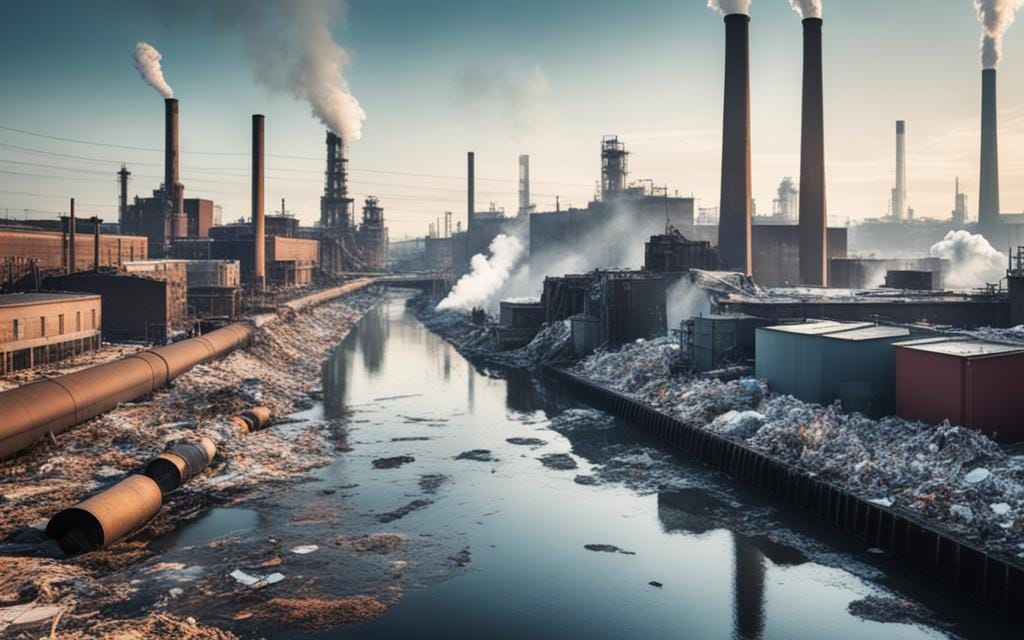
I care deeply about solving the big environmental issues we’re facing. In this article, I’ll show you the main environmental problems and how to fix them. We’ll talk about climate change, pollution, saving natural resources, and living sustainably. I aim to give you a full picture of how to help our planet.
If you’re concerned about the environment or want to reduce your impact, this article is for you. We’ll look into the reasons behind environmental problems like climate change, pollution, and deforestation. Then, we’ll share easy ways to live more eco-friendly every day. By understanding these issues and acting now, we can aim for a better future for everyone.
In this article, we’ll tackle the environmental problems we’re up against and suggest solutions. We’ll discuss lowering greenhouse gas emissions1 and using sustainable waste management1. These are just a few strategies to protect our planet. Let’s start this journey together and see how we can positively impact the environment.
Introduction to Environmental Issues
Environmental issues are a big problem that affects us all. They come from human actions that hurt nature, upsetting the balance of ecosystems. This threatens the future of our planet2. Climate change, pollution, deforestation, and losing species are just a few of the big challenges we face today. These problems need quick action and attention.
Definition and Overview of Environmental Problems
Environmental problems are the bad effects of human actions on nature. These include climate change, pollution, and the loss of forests and species23. They often happen because we use too many natural resources, release harmful substances, and mess with nature’s systems.
Importance of Addressing Environmental Concerns
It’s vital to tackle environmental issues for our planet and everyone living here. These problems can mess with the climate, pollute our water, and threaten animals and plants4. We must act to keep our environment healthy for now and the future2. By addressing these concerns, we can protect nature, support sustainability, and make a better future for everyone.
| Environmental Issue | Causes | Impacts |
|---|---|---|
| Climate Change | Greenhouse gas emissions, burning of fossil fuels, deforestation | Rising temperatures, extreme weather events, sea level rise |
| Air Pollution | Automobile emissions, industrial activities, burning of fossil fuels | Respiratory diseases, reduced air quality, ecosystem disruption |
| Water Pollution | Agricultural runoff, urbanization, industrial waste | Contamination of water sources, harm to aquatic life, human health risks |
| Deforestation | Logging, land clearing for agriculture, urbanization | Habitat loss, biodiversity decline, soil erosion, climate change |
Understanding environmental problems helps us see why we must act fast. By knowing the causes and effects, we can find ways to solve these issues sustainably234.
Climate Change
Climate change is a big problem that needs our quick action. It’s mainly caused by releasing gases like carbon dioxide and methane into the air5. These gases trap heat, making the Earth’s temperature go up, known as global warming5.
Causes and Effects of Climate Change
The effects of climate change are huge and bad. We see melting glaciers, rising sea levels, and more extreme weather. These changes also harm ecosystems and threaten many species5. It’s a big risk to human health, with many people facing diseases and early death from pollution5.
Greenhouse Gas Emissions and Global Warming
Fossil fuels like coal and oil are the main cause of greenhouse gas emissions5. Using these fuels for energy and transportation has made these gases more common in the air5. This has made global warming happen faster, which is bad for our planet and us.
We need to tackle climate change from many angles. Using less fossil fuel, choosing renewable energy, and living sustainably are key steps6. We can also help by eating less meat, planting trees, and supporting climate-friendly policies6.
Dealing with climate change needs a worldwide effort. By understanding its causes and effects, we can aim for a better future for everyone7.
Pollution
Pollution is a big problem that affects both air and water, harming human health and nature8. Air pollution comes from harmful gases and particles, hurting our lungs and raising cancer risks8. Tests show that special filters can remove up to 94% of harmful fumes8. Noise rules in Hong Kong say bars and clubs must keep noise down during the day and night8. Not controlling noise well can lead to pollution in many areas, so we need better noise reduction8.
Air Pollution and Its Impact
Air pollution is a big worry, with small sources like cars and lawn mowers making more pollution than big factories9. Tires that are not fully inflated make cars use more gas, especially when driving slowly9. Idling engines create pollution hotspots, with big trucks and buses being the worst9. Fires in cities can make the air unhealthy for many people, especially when the weather is still9.
Water Pollution and Its Consequences
Water pollution harms aquatic life and makes water unsafe for humans and animals8. Outdoor entertainment can cause noise and vibration pollution, showing we need better noise control8. A law in Hong Kong says restaurants must not pollute the air with smells or visible smoke, showing strict air quality rules in the food industry8.
We need to fight pollution with better laws, new technology, and changing how we act. Using less energy, promoting clean energy, and improving water treatment can help reduce pollution’s harm9. Lawn equipment can pollute as much as a car trip, showing we need cleaner options9. Trees clean the air, take in carbon dioxide, and make oxygen, making our environment healthier9.
Helping local businesses and schools use less air pollution can make our communities greener9. Programs in Minnesota help businesses follow environmental laws, cut down on waste and pollution, and reduce rules9. The Minnesota GreenCorps program also tackles air quality by placing members in organizations to work on projects9.
Solid Waste Management
Solid waste management is a big problem we need to tackle. It includes trash from homes, factories, and old electronics. If not disposed of right, it harms the environment10. In fact, waste makes up 20% of methane emissions from humans10. We need to use recycling, composting, and the circular economy to fix this issue.
There’s a lot of waste out there. Every year, over 2 billion tons of trash are made10. By 2050, this could jump by 70%10. In places like Latin America and the Caribbean, a lot of trash ends up in dumpsites daily10. This messes up the environment and wastes resources that could be reused.
| Metric | Value |
|---|---|
| Waste-related methane emissions | 20% of world’s human-related methane emissions10 |
| Municipal solid waste generated annually | Over 2 billion tons10 |
| Projected increase in solid waste generation by 2050 | 70%10 |
| Garbage ending up in Latin American and Caribbean dumpsites daily | 145,000 tons (a third of all urban waste)10 |
We need to fight the solid waste problem with a circular economy11. This means focusing on recycling, composting, and managing waste better11. Doing this cuts down on waste’s harm to the planet and opens up new economic chances11. By taking these steps, we can make a better future and lessen solid waste’s bad effects.
Deforestation
Deforestation is a big problem that changes forests into other types of land. It has big effects on our planet. About 64% of the world’s tropical rainforests have been harmed since before humans remember12. In the last 50 years, 17% of the Amazon forest was lost for cattle ranching12. The illegal timber trade, worth almost $152 a year, causes up to 90% of tropical deforestation12. Also, cities will grow by 120 to 160 million hectares by 2030, and by 2050, 68% of people will live in cities12.
Causes and Effects of Deforestation
Deforestation happens for many reasons, like farming, logging, and building cities. The Congo Rainforest sends cheap timber to China, the European Union, and the United States, meeting the world’s wood demand12. Projects for fossil fuels also threaten the Congo Basin rainforest12. Losing forests harms animals and plants and makes climate change worse by reducing the natural carbon sinks13.
Importance of Forest Conservation
We need to protect and grow forests through sustainable forestry and reforestation14. Supporting the rights of Indigenous Peoples and global treaties like CITES helps protect forests and animals14. By choosing our food wisely, using less single-use products, and teaching others, we can help save these vital forests14.
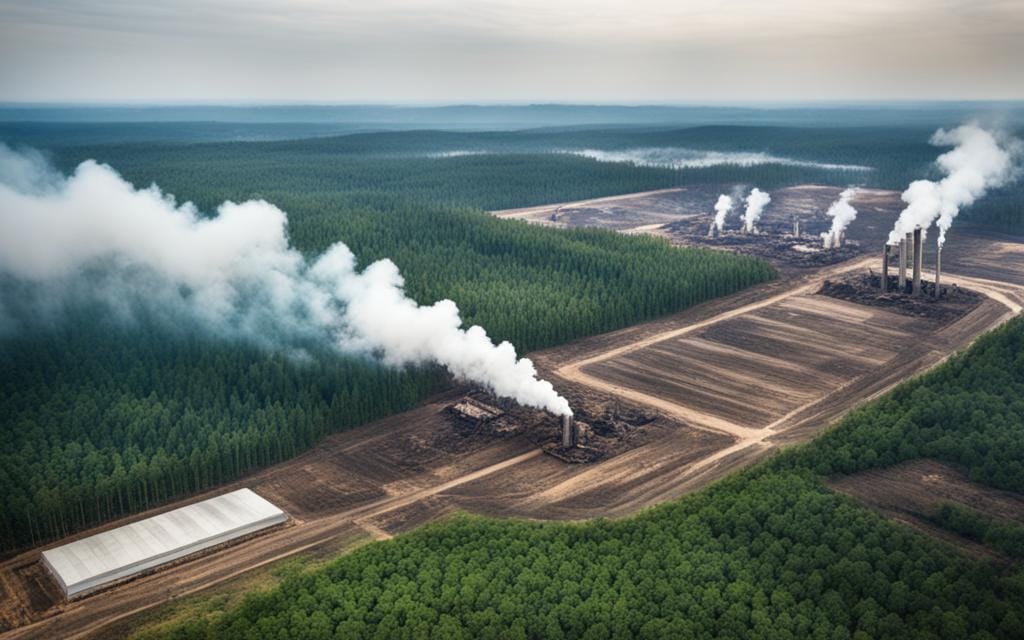
Deforestation is a big problem with serious effects, but we can act together to save our forests and our planet121314.
environmental problems and solutions
We face big environmental challenges, but we have many ways to tackle them. One key step is to cut our carbon footprint. We can do this by using less energy, buying things that last longer, and using clean energy15.
Reducing Carbon Footprint and Embracing Sustainability
We can make a big difference by making smart choices every day. Using less energy, keeping our homes well-insulated, and recycling helps a lot. Choosing to walk, bike, or use public transport also cuts down on pollution15.
The Role of Renewable Energy and Green Technology
Switching to clean energy like solar, wind, and water power is key in fighting climate change16. These options cut down on harmful gases and create new jobs in green tech. Plus, new green tech like electric cars, green buildings, and turning waste into energy helps us aim for a greener future15.
By choosing these green solutions, we can all help fight climate change, lessen pollution, and save our natural resources for the future15.
Biodiversity Loss
The loss of biodiversity is a big problem that threatens our ecosystems17. Species are disappearing at a fast rate, which could lead to a sixth mass extinction17. Human actions like destroying habitats and polluting the land are big reasons for this17.
Threats to Biodiversity and Ecosystem Balance
When we mess with ecosystems, it can cause big problems. This can lead to the loss of species and harm the environment17. Farming animals takes up a lot of land, which hurts our food production and nature17. Fishing too much harms the oceans and the life in them17. Also, some animals from other places can become a big problem for native species18.
We need to act to save species at risk and stop losing biodiversity17. Companies can be at risk if ecosystems fail and their supply chains are not sustainable17. New technology like drones can help plant trees and fight against losing habitats17. Farming the ocean in a better way can also help make seafood more sustainable and reduce overfishing17.
By choosing to buy products that are good for nature and using less plastic, we can help save biodiversity17. But, we might not meet the goals set by the United Nations to protect nature by 2020, says a recent report18. Sadly, a lot of species are in danger of disappearing, with one million out of eight million at risk18.
We need to protect and fix habitats, use resources wisely, and support conservation efforts17. By doing these things, we can keep our ecosystems healthy and make sure our planet stays full of life.
Water Scarcity
Water scarcity is a big problem that affects people all over the world. It happens because of too many people, cities growing, climate change, and not using water wisely in industries and farming19.
This shortage of clean water can really hurt food production, health, and nature. Poorer areas get hit the hardest, having to work hard to get water and facing big risks20.
Addressing Water Scarcity
We need to use water wisely to solve this issue. This means using water better, improving how we treat and move water, and looking into new ways like desalination and catching rainwater21.
| Water Use Sector | Percentage of Global Freshwater Withdrawal |
|---|---|
| Agriculture | 70% |
| Industry | 19% |
| Domestic | 11% |
Using water wisely across different groups is also key20. We need to work together to make sure everyone gets enough water fairly and sustainably.
With more people and climate change, saving water is more important than ever. By managing water well, we can protect this essential resource for the future19.
Environmental Regulations and Policies
Environmental regulations and policies are key to solving our environmental problems. Governments and international groups have made laws to cut down on greenhouse gases, protect nature, boost renewable energy, and support sustainable actions22. These rules, when followed and updated, can lead to big changes and help us all work together to protect our planet.
Environmental laws have been around for thousands of years. The first sewers were made over 4,500 years ago in Mohenjo-daro and 2,700 years ago in Rome22. Events like Minamata disease in Japan in 1956 and Rachel Carson’s “Silent Spring” in 1962 made people more aware of environmental issues22. By the late 19th and early 20th centuries, laws were made for city cleanliness, sewage, and protecting nature and wildlife22.
The Environmental Protection Agency (EPA) is key in enforcing major environmental laws like the Clean Air and Water Acts, and Safe Drinking Water Act23. The EPA works with different agencies to control pollution and support sustainable growth23. Following these laws affects businesses, changing how they work, manage waste, and focus on being sustainable23.
| Environmental Law | Year Enacted | Key Objectives |
|---|---|---|
| Clean Air Act | 1963 (amended multiple times) | Reduce air pollutants and improve air quality24 |
| Clean Water Act | 1972 (amended from 1948) | Address water pollution and set wastewater standards24 |
| Endangered Species Act | 1973 | Protect endangered wildlife through listing and conservation programs24 |
| Resource Conservation and Recovery Act | 1976 (amended later) | Manage hazardous and non-hazardous waste, emphasize waste minimization and proper disposal24 |
| Safe Drinking Water Act | 1974 (amended in 1996) | Maintain water quality standards for public water systems, focus on scientific evidence and cost-benefit analyses24 |
Environmental policies are important because polluters often don’t face the full impact of their actions, causing harm elsewhere or later22. Things like car exhaust and farm runoff add to pollution, making it hard to control22.
Since the late 1980s, sustainable development has become a big idea in making environmental policies22. Now, private companies and groups are also helping protect the environment, along with government efforts22.
In conclusion, environmental regulations and policies are key to solving our environmental problems. By making and enforcing these rules, we can make positive changes, support sustainability, and protect our planet for the future.
Conclusion
We face big environmental challenges like climate change, pollution, and losing biodiversity. But, there are many solutions to tackle these issues25. By cutting down on carbon emissions, using sustainable ways, and investing in green tech25, we can protect our planet together.
It’s important to take personal steps towards being eco-friendly. This means saving water and electricity25, using less paper, and recycling25. These actions help make our environment healthier26.
Supporting laws and policies that focus on the environment is also key26. This helps bring about big changes and supports long-term solutions.
When we act together, we can make a future where being green is normal25. With green innovation25, clean energy25, and saving nature25, we can beat these environmental challenges. Let’s work together for a better, sustainable world for everyone.
FAQ
What are the major environmental problems we face today?
Today, we face big environmental issues like climate change, pollution, and waste. Deforestation, loss of biodiversity, and water scarcity are also major concerns.
What causes climate change, and what are its effects?
Climate change comes from greenhouse gases like carbon dioxide and methane. These gases warm the planet, causing glaciers to melt and sea levels to rise. We also see more extreme weather and harm to ecosystems.
How can we address air and water pollution?
To fight air and water pollution, we need many solutions. This includes better laws, new technology, and changing how we act. We should cut down on emissions and improve how we treat waste and clean water.
What are the impacts of solid waste management issues, and how can we improve it?
Bad waste management harms the environment. To fix this, we can recycle more, compost, and use a circular economy. These steps help lessen the harm to nature and save resources.
What are the causes and consequences of deforestation?
Deforestation happens for farming, logging, and building cities. It destroys homes for animals and hurts the climate by reducing carbon sinks. We must protect forests with sustainable practices and replant trees to lessen these effects.
How can we reduce our carbon footprint and embrace sustainability?
Cutting our carbon footprint means using less energy and buying things that last longer. Using solar and wind power helps too. New green tech like electric cars and green buildings also play a big part in a sustainable future.
What are the threats to biodiversity, and how can we protect it?
Biodiversity faces threats like losing its home, pollution, and overusing resources. To save it, we need to protect and restore habitats. Using resources wisely and conservation efforts are key to keeping our planet diverse.
What are the causes and consequences of water scarcity, and how can we address it?
Water scarcity comes from growing populations, cities, climate change, and bad water use. It hurts food, health, and nature. We can fix it by saving water, using it wisely, and improving how we treat and share water.
How do environmental regulations and policies play a role in addressing environmental problems?
Laws and policies help solve environmental issues by pushing for change. They cut down on emissions, protect nature, and support renewable energy. These efforts encourage us to live more sustainably.
Source Links
- https://earthyb.com/blog/environmental-problems-solutions/
- https://www.geeksforgeeks.org/environmental-issues-and-solutions/
- https://www.vedantu.com/biology/environmental-issues
- https://www.ibm.com/topics/environmental-issues
- https://earth.org/climate-change-problems-and-solutions/
- https://www.greenpeace.org.uk/challenges/climate-change/solutions-climate-change/
- https://www.bbc.com/news/science-environment-58874831
- https://www.epd.gov.hk/epd/english/greenproperty/poll_pro/poll_pro_rec.html
- https://www.pca.state.mn.us/news-and-stories/what-you-can-do-about-air-pollution
- https://www.ifc.org/en/blogs/2024/the-world-has-a-waste-problem
- https://www.ncbi.nlm.nih.gov/pmc/articles/PMC9566108/
- https://www.perchenergy.com/blog/environment/deforestation-causes-effects-solutions-preserve-planet
- https://www.nationalgeographic.com/environment/article/deforestation
- https://www.greenpeace.org/usa/forests/solutions-to-deforestation/
- https://plantwithpurpose.org/causes-effects-and-solutions-to-environmental-degradation/
- https://www.ifaw.org/journal/environmental-issues-ways-to-help
- https://earth.org/solutions-to-biodiversity-loss/
- https://www.iberdrola.com/sustainability/biodiversity-loss
- https://www.cfr.org/backgrounder/water-stress-global-problem-thats-getting-worse
- https://www.unwater.org/water-facts/water-scarcity
- https://www.ncbi.nlm.nih.gov/pmc/articles/PMC10300917/
- https://www.britannica.com/topic/environmental-policy
- https://www.apu.apus.edu/area-of-study/security-and-global-studies/resources/what-is-environmental-law/
- https://ballotpedia.org/Environmental_policy_in_the_United_States
- https://unacademy.com/content/neet-ug/study-material/biology/environmental-issues-solutions/
- https://nap.nationalacademies.org/read/5756/chapter/7
