
The Best Time to Visit Scenic Viewpoints for Breathtaking Views
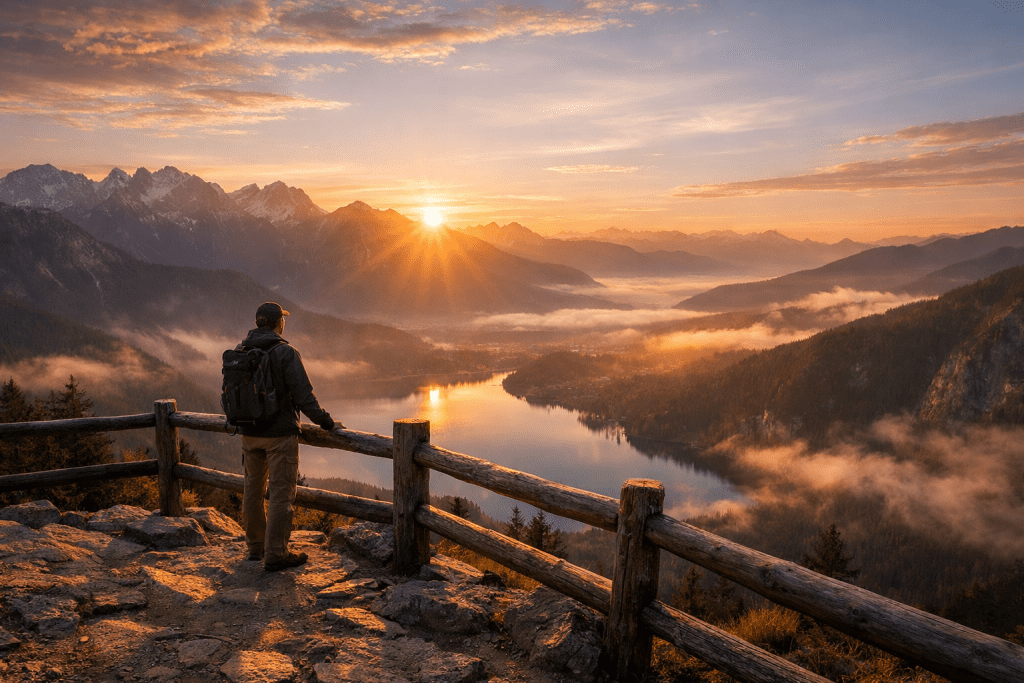
The best time to visit scenic viewpoints for breathtaking views depends on a variety of factors, including the season, weather conditions, and the location of the viewpoint. Scenic viewpoints are places of natural beauty, offering sweeping vistas of mountains, oceans, valleys, and forests. To make the most of your experience, it’s crucial to plan your visit at the optimal time. In this article, we will explore the best time to visit scenic viewpoints based on different considerations such as weather, crowd levels, and unique seasonal highlights.
Seasonal Considerations for Scenic Viewpoints
The first factor to consider when planning your trip to a scenic viewpoint is the season. Depending on the region and the type of landscape, certain times of the year may provide better conditions for viewing and photography.
Spring is often considered a fantastic time to visit scenic viewpoints, particularly in areas with flowering plants or lush greenery. The temperatures are moderate, and you can catch the landscape at its freshest, with blooming flowers and vibrant foliage. Many national parks and nature reserves showcase stunning wildflower displays during this time, making it ideal for nature lovers and photographers. Summer is the peak tourist season in many locations, and while this brings sunny weather and extended daylight hours, it also means larger crowds. If you’re looking to avoid the crowds but still enjoy warm weather, consider visiting lesser-known viewpoints or those that are less accessible. Popular spots in the summer can often become overcrowded, reducing the serenity of the experience. However, if you plan ahead, early mornings or late afternoons can provide a quieter, more peaceful experience. Autumn or fall offers one of the most visually striking seasons to visit scenic viewpoints. As the leaves change color, landscapes are transformed into vibrant hues of red, orange, and gold. The cooler temperatures also provide more comfortable conditions for hiking to viewpoints. If you want to witness the beauty of autumn foliage, this is undoubtedly the best time to visit. Winter, while often overlooked, can be an extraordinary time to visit certain viewpoints. Snow-covered mountains, icy lakes, and crisp air offer a completely different perspective. However, winter visits require more preparation, as roads may be closed due to snow, and temperatures can dip dramatically. If you’re up for the challenge and enjoy winter sports, this season can be one of the most peaceful times to visit, as the crowds tend to thin out.
Best Time for Photography at Scenic Viewpoints
For photographers, the best time to visit scenic viewpoints may differ from the average tourist. Lighting plays a crucial role in capturing the beauty of a landscape, and certain times of the day offer better conditions for photography.
The golden hours, which occur shortly after sunrise and just before sunset, provide soft, warm light that enhances the colors of the scenery. These hours also avoid the harsh shadows and bright midday sun that can make photography challenging.
Additionally, visiting during early mornings has its advantages. There are fewer people, and the light is often softer. Early risers can also enjoy a misty or foggy landscape, which can create a dramatic and ethereal atmosphere.
The blue hour, which takes place just before sunrise or after sunset, is another prime time for capturing striking photographs. The sky takes on deep blues, and the soft light can illuminate distant peaks or valleys, creating a surreal and peaceful vibe that’s perfect for landscape photography.
Weather and Climate
Understanding the local climate is another key factor when choosing the best time to visit scenic viewpoints. Weather conditions can make or break your experience, especially in regions with unpredictable or extreme climates.
Some viewpoints, particularly those in mountainous regions, may only be accessible during the warmer months due to snow and icy conditions in the winter. In these areas, the best time to visit scenic viewpoints is often late spring to early fall, when roads are clear, and hiking trails are more manageable.
In coastal regions, the best times to visit might be during the off-season, when the weather is mild, and the coastline isn’t overwhelmed with crowds. Coastal viewpoints during the spring or fall can provide clearer skies and dramatic waves without the summer tourist rush.
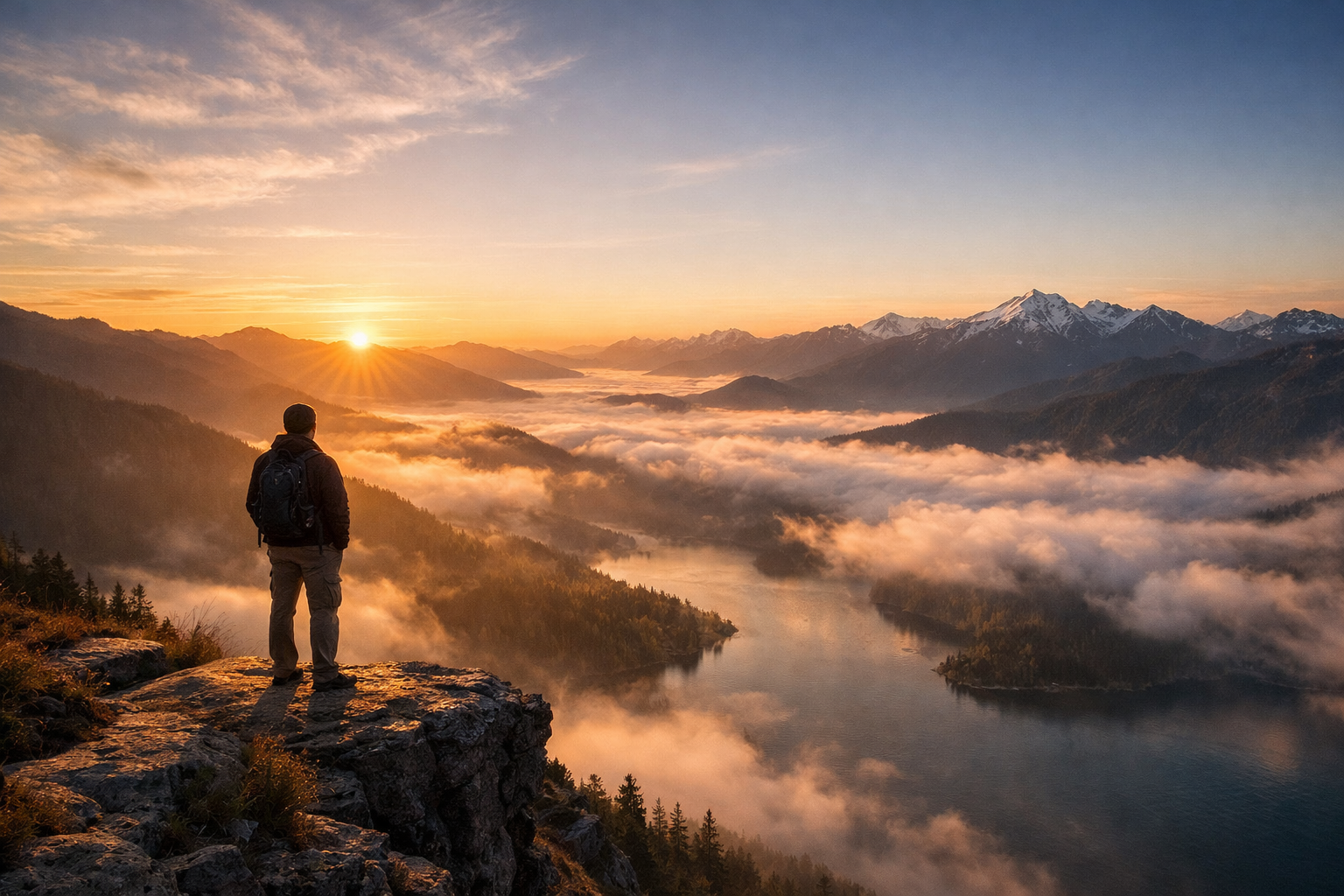
It’s also important to consider the potential for stormy weather. While a storm can create dramatic views, it can also pose a danger and limit visibility. If you’re planning to visit viewpoints that offer sweeping vistas of the sky, such as desert or mountain viewpoints, be sure to check the weather forecast ahead of time and plan accordingly.
Crowd Levels and Popularity
The best time to visit scenic viewpoints may vary depending on how much solitude you’re seeking. Many popular viewpoints are best experienced in the off-season when the crowds have thinned. This allows for a more peaceful, reflective experience.
For instance, national parks like the Grand Canyon or Yellowstone can be bustling with tourists during the summer months, making it difficult to find a quiet moment. If you want to experience these iconic landscapes without the crowds, plan a visit in the shoulder seasons—either early spring or late fall.
On the other hand, if you don’t mind sharing the experience with others and want to enjoy the full range of activities, summer might be your preferred choice. Many scenic viewpoints offer guided tours, festivals, or outdoor events during this time, which can add an extra dimension to your visit.
Unique Events and Experiences
Sometimes, the best time to visit scenic viewpoints is tied to a unique event or natural phenomenon. For example, certain viewpoints may offer the chance to witness wildlife migration or seasonal weather patterns that create dramatic landscapes.
In autumn, some parks hold fall foliage festivals, where visitors can enjoy guided hikes and view the changing leaves in their peak colors. In spring, certain viewpoints may offer the chance to see waterfalls at their most powerful, as the snowmelt creates rushing torrents of water.
If you’re planning a visit around a specific event, check the local tourism websites for the dates of such happenings to ensure you’re there for the full experience.
Conclusion
In conclusion, the best time to visit scenic viewpoints depends on several factors, including the season, weather, lighting conditions, and crowd levels. Each season offers unique benefits, from the fresh blooms of spring to the crisp beauty of winter landscapes. For photography, the golden hours of early morning and late afternoon provide optimal lighting. Ultimately, the best time to visit will depend on your preferences, whether you prioritize perfect weather, fewer crowds, or vibrant seasonal changes.
FAQ
Q: What is the best season to visit scenic viewpoints? A: The best season depends on your preference. Spring offers fresh blooms, while autumn is known for vibrant foliage. Summer is great for long days, and winter offers snow-covered landscapes. Q: Is it better to visit scenic viewpoints in the morning or afternoon? A: The morning, particularly the golden hour shortly after sunrise, offers softer light and fewer crowds, making it ideal for photography. Q: Can I visit scenic viewpoints in the winter? A: Yes, winter can provide unique, snow-covered landscapes, but be prepared for cold temperatures and potential road closures. Q: When is the best time for photography at scenic viewpoints? A: The golden hours of early morning and late afternoon provide the best lighting for photography at scenic viewpoints. Q: How can I avoid crowds when visiting popular scenic viewpoints? A: Visit during the off-season, such as early spring or late fall, and aim for early mornings or late afternoons to avoid peak tourist times.
