
Travel to Nature Reserves: Discover Untouched Natural Wonders
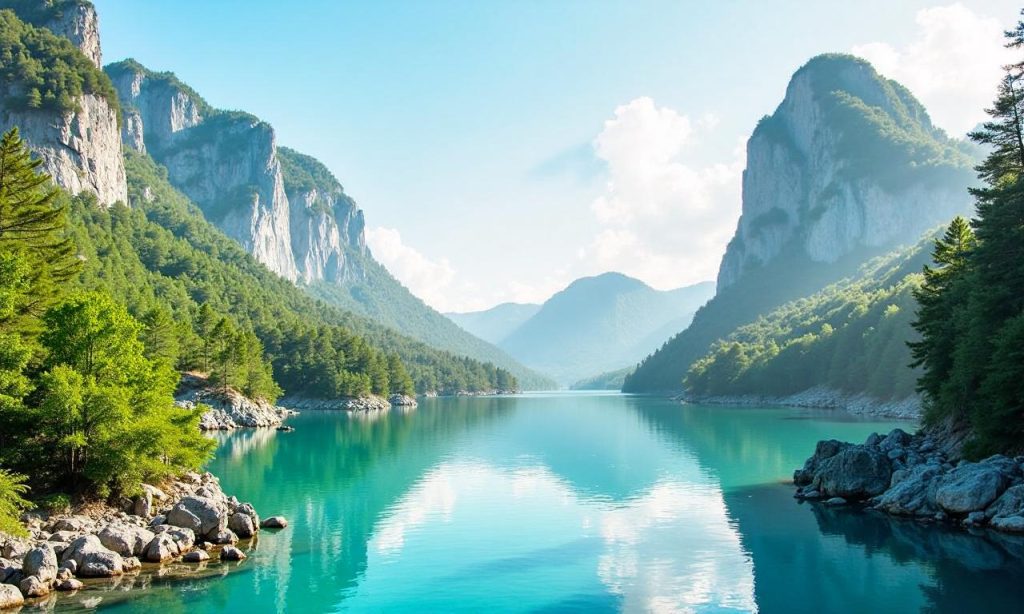
Paragraf pembuka artikel. Travel to nature reserves has become a growing trend among eco-conscious travelers seeking a deeper connection with the natural world. In an age dominated by fast-paced urban life and digital distractions, these untouched landscapes offer a rare opportunity to step back, breathe in fresh air, and immerse oneself in the raw beauty of Earth’s ecosystems. Whether you’re an adventure seeker or someone looking for a peaceful retreat, travel to nature reserves can provide an unforgettable experience. These protected areas, ranging from dense rainforests to serene mountain ranges, are not only text bold for their biodiversity but also text italic for their ability to inspire awe and wonder. As more people prioritize sustainability in their travel choices, exploring nature reserves has emerged as a meaningful way to support conservation efforts while enjoying some of the planet’s most stunning vistas.
Why Travel to Nature Reserves?
Nature reserves are more than just scenic spots—they are vital ecosystems that play a crucial role in preserving the planet’s natural heritage. Travel to nature reserves allows visitors to witness these environments firsthand, fostering a greater appreciation for the delicate balance of life that thrives within them. These reserves often serve as text bold for wildlife habitats, protecting endangered species and their natural behaviors. By visiting such areas, travelers can contribute to conservation efforts through eco-friendly practices, making each journey a purposeful one.
The Unique Experience of Nature Reserves
Nature reserves are text italic for their untouched quality, offering a stark contrast to the crowded tourist attractions of the world. Unlike traditional destinations, these spaces are designed to minimize human interference, allowing ecosystems to flourish in their natural state. For example, when travel to nature reserves, you might find yourself hiking through ancient forests where the sounds of nature are the only background noise, or snorkeling in coral reefs teeming with vibrant marine life. This experience is not just visually stunning but also educational, as it provides a chance to learn about the unique flora, fauna, and geological features that define each reserve. text bold For many, the primary allure of travel to nature reserves is the chance to witness biodiversity in its purest form. These reserves often house rare and endangered species that are not commonly seen in other parts of the world. From the elusive snow leopard in the Himalayas to the colorful macaws of the Amazon, each reserve has its own story to tell. By exploring these areas, travelers can gain a deeper understanding of the importance of conservation and how human activities impact the environment.
Immersion in Natural Beauty
Another reason to travel to nature reserves is the opportunity to immerse yourself in natural beauty that feels untouched by time. These areas are often remote, requiring a journey that itself becomes part of the adventure. The solitude and serenity of such environments can be incredibly refreshing, offering a much-needed escape from the noise and stress of daily life. text italic Whether you’re an avid hiker, a wildlife enthusiast, or simply someone who craves the tranquility of nature, these reserves provide the perfect setting. The experience is text bold for its authenticity—there are no plastic signs, no crowded paths, and no artificial attractions. Instead, you’re greeted by towering trees, cascading waterfalls, and the call of birds that have thrived undisturbed for centuries. This sense of wonder is text italic for its ability to rejuvenate the mind and soul, making travel to nature reserves a deeply rewarding endeavor.
Planning Your Travel to Nature Reserves
To fully appreciate the wonders of travel to nature reserves, careful planning is essential. These destinations often require specific preparations due to their remote locations and unique environmental conditions. By organizing your trip thoughtfully, you can ensure a seamless and enriching experience.
Researching the Best Nature Reserves
Before embarking on your journey, it’s important to research which nature reserves align with your interests. Some reserves are known for their text bold for wildlife safaris, while others offer breathtaking landscapes for photography or hiking. For instance, if you’re passionate about marine life, the Great Barrier Reef in Australia might be your top choice. On the other hand, if you’re drawn to mountainous terrains, the Swiss Alps or the Himalayas could be ideal. text italic When travel to nature reserves, consider factors such as accessibility, climate, and seasonal variations. Each reserve has its own best time to visit, which can significantly impact the experience. For example, visiting the text bold for Ethiopian Highlands during the dry season might provide clearer views of the dramatic landscapes, while the text italic for Amazon Rainforest is best during the cooler months when the dense vegetation is less oppressive.
Packing Essentials for a Nature Reserve Trip
Once you’ve chosen a destination, packing the right essentials will enhance your experience. This includes text bold for comfortable outdoor gear, such as hiking boots, a waterproof jacket, and a reusable water bottle. Depending on the reserve, you might also need a camera with a good zoom lens to capture the text italic for wildlife and flora, or binoculars for birdwatching. text bold It’s also important to bring eco-friendly items to minimize your impact on the environment. Reusable bags, biodegradable sunscreen, and sustainable toiletries are text italic for their role in protecting the natural habitats you’ll be exploring. Additionally, checking the local regulations regarding camping, photography, and wildlife interaction can help you avoid common mistakes and ensure a respectful visit.
Choosing the Right Time to Visit
Timing your trip to the right season can make all the difference in how you experience a nature reserve. For example, visiting text bold for Patagonia in the spring might allow you to witness the text italic for dramatic flower blooms, while the fall is ideal for birdwatching in the text bold for Costa Rican rainforests. text italic Many nature reserves have specific periods when certain activities are best, such as whale watching in the text bold for Galapagos Islands or stargazing in the text italic for Namibian desert. Researching the local climate and seasonal events can help you plan a trip that’s both comfortable and meaningful. This thoughtful planning ensures that you’re prepared for the unique conditions of each reserve and can make the most of your travel to nature reserves experience.
Top Nature Reserves Worth Exploring
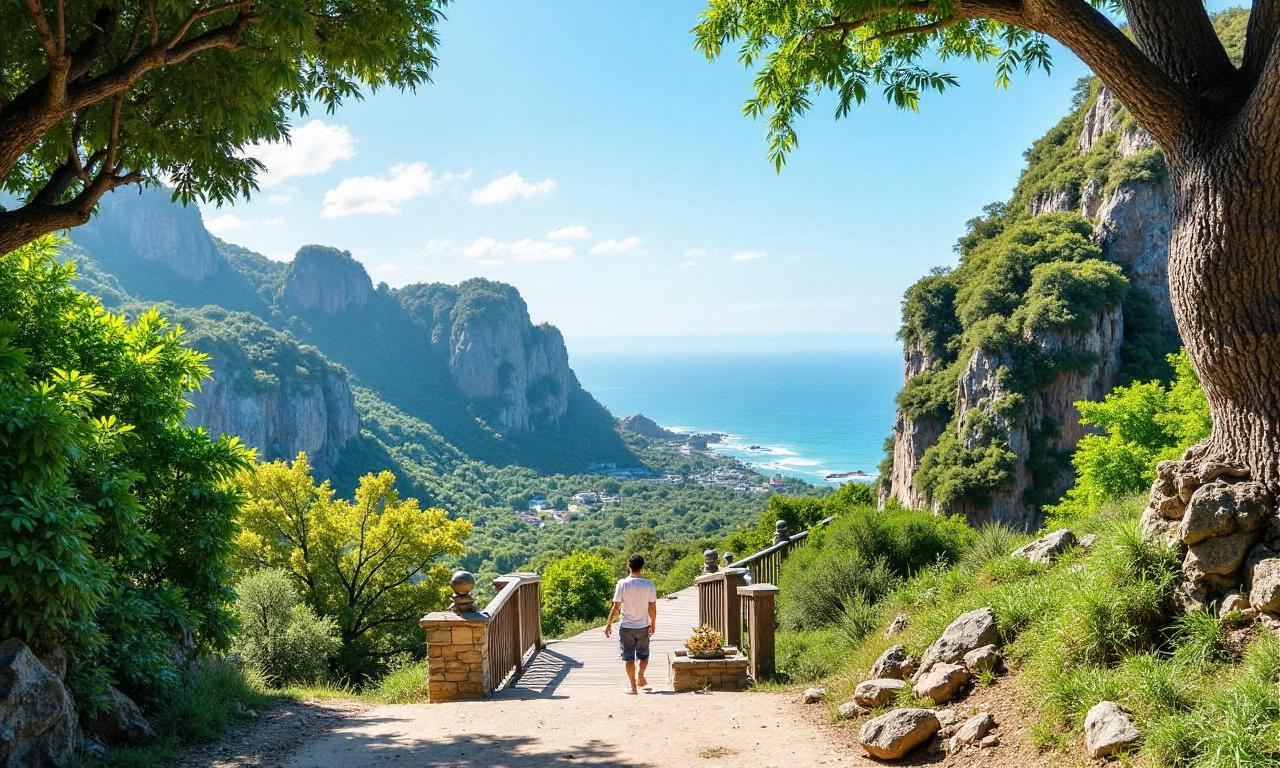
There are countless nature reserves around the world that are worth visiting, each offering a distinct experience. Whether you’re drawn to the text bold for lush forests, open savannahs, or coastal ecosystems, there’s a reserve that suits your interests. Here are some of the most popular travel to nature reserves destinations that should be on every traveler’s list.
The Amazon Rainforest: A Hidden World of Biodiversity
The Amazon Rainforest, often referred to as the text italic for “lungs of the Earth,” is a must-visit for travel to nature reserves. Stretching across nine countries in South America, this vast ecosystem is home to an estimated 10% of the planet’s known species. Visitors can embark on guided tours to explore the text bold for dense jungles, spot exotic wildlife, and learn about the indigenous cultures that have lived in harmony with this environment for centuries. text italic The Amazon offers a unique blend of adventure and tranquility, making it ideal for those who want to witness text bold for nature in its most pristine form. From canoeing through winding rivers to hiking along ancient trails, every moment in the Amazon is an opportunity to connect with the natural world. This reserve is text bold for its role in global climate regulation, and visiting it can deepen your understanding of the importance of preserving such vital ecosystems.
The Serengeti National Park: A Wildlife Paradise
For those who love text bold for wildlife, the Serengeti National Park in Tanzania is a top destination. This iconic reserve is famous for its text italic for Great Migration, an annual event where millions of animals travel across the plains in search of water and grazing lands. The travel to nature reserves experience here is nothing short of exhilarating, with the chance to see lions, elephants, and zebras in their natural habitat. text bold The Serengeti’s open savannahs and dramatic sunsets create a backdrop that is text italic for unforgettable memories. Whether you’re an experienced safari-goer or a first-time visitor, the park offers a range of activities, from guided game drives to hot air balloon safaris. This reserve is text bold for its role in conservation, and the travel to nature reserves experience here highlights the importance of protecting these incredible landscapes for future generations.
The Great Barrier Reef: A Marine Wonder
If you’re a water lover, the travel to nature reserves of the Great Barrier Reef in Australia is a must-experience. As the text italic for largest coral reef system, it’s a text bold for underwater paradise with vibrant coral formations, exotic fish, and sea turtles. Snorkeling and diving in this reserve allows visitors to text italic for an up-close look at marine life that thrives in these waters. text bold The reef’s ecosystem is delicate, making it essential to practice text italic for eco-friendly activities. Boat tours, glass-bottomed walks, and guided snorkeling excursions are popular options, ensuring that visitors can enjoy the beauty of the reef without disrupting its natural balance. This travel to nature reserves experience is not only a visual feast but also a reminder of the need to protect our oceans.
The Yellowstone National Park: A Natural Spectacle
Yellowstone National Park in the United States is another text bold for nature reserve that captivates visitors with its geothermal wonders and diverse wildlife. Home to the text italic for Old Faithful geyser and the text bold for Grand Prismatic Spring, the park offers a unique combination of text italic for natural phenomena and text bold for wilderness experiences. text italic The park is also a text bold for hotspot for wildlife, with bison, wolves, and bears roaming freely. Travel to nature reserves here allows you to explore the text italic for wild landscapes and enjoy the thrill of encountering animals in their natural habitat. The text bold for rugged terrain and scenic views make Yellowstone a text italic for unforgettable adventure.
Eco-Friendly Travel Tips for Nature Reserves
Traveling to nature reserves is not only about enjoying the natural beauty but also about text bold for responsible tourism. These areas are **text italic
