19-year-old would-be attacker of UFC event sought to use drones and was referred to police by his parents, FBI says

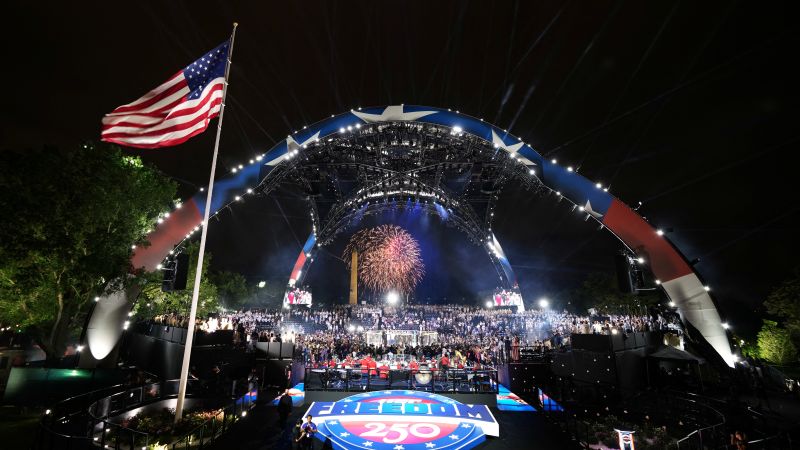
FBI and Secret Service Uncover Attack Plot Against UFC Event at White House
19 year old would be attacker – Federal authorities have filed charges against several individuals allegedly involved in planning to attack the UFC fight night event held at the White House. The investigation, led by a joint team of the Secret Service and Federal Bureau of Investigation (FBI), revealed messages exchanged between multiple suspects discussing strategies for the attack, which included the use of drones and a gunman. The charges were unsealed Tuesday, detailing a coordinated effort that raised concerns about potential threats to national security during the high-profile event.
Proper’s Mother Alerts Authorities to Son’s Suspicious Behavior
One of the key figures in the plot is 19-year-old Tycen Proper, whose mother contacted local police on June 10, expressing worries about her son’s actions. According to the criminal complaint, she reported being “concerned about her son” due to his recent behavior, which included purchasing firearms and engaging with a radical online group. The mother also mentioned that Proper had been studying maps of Washington, DC, focusing on areas near the White House, and told officers that her son had mentioned the group was planning “reconnaissance missions” and “hit-and-run attacks” in the region.
“I was worried about my son’s recent conduct,” the mother stated in the complaint. “He was buying guns and talking to people online who seemed really intense about taking down the government.”
Accelerationism and Anti-Government Sentiments Drive the Plot
The group Proper joined was described in court documents as advocating for accelerationism, a philosophy that promotes the rapid collapse of existing societal structures to pave the way for a new, improved system. Some members of the group expressed frustration with current political leadership, specifically targeting lawmakers who supported Israel. Others voiced strong antisemitic views, claiming that the government is controlled by elites who “sacrifice babies” and are shielded by former President Donald Trump.
Proper’s involvement in the group was noted to align with these extremist ideas. The FBI affidavit details how he admitted to collaborating with others in the group to disrupt the UFC event at the White House. Additionally, Proper allegedly shared images of Israeli-aligned members of Congress as potential targets, according to the criminal complaint. This suggests a deliberate strategy to identify and attack specific individuals linked to the pro-Israel movement.
Tactical Planning Revealed in Home Search
Law enforcement conducted a search of Proper’s residence and discovered detailed plans outlining tactical strategies for the attack. The chat logs found included maps of Washington, DC, with highlighted sniper positions and “drone launch sites,” indicating a sophisticated approach to the operation. The complaint states that Proper’s father reported his son had been preparing to travel to the city to meet with group members over the weekend of the event.
The father also mentioned that Proper had used his recent graduation funds to purchase a variety of equipment, including “gear, food, ballistic plates, a new shotgun, a rifle, ‘lots’ of ammunition, extra magazines, and plate carriers.” Notably, the firearms recovered were an AR-15-style rifle and a bullpup model, both painted with an American flag, symbolizing a blend of patriotic and militant symbolism.
Online Recruitment and Communication Tactics
Proper’s initial contact with the group began in March 2026 via TikTok, where he engaged with members of the “Vanguard of the Old,” an online collective described as having a Christian-based and ex-military influence. The complaint notes that the group’s members promoted ultra-religious beliefs and anti-government rhetoric, citing grievances about “government corruption, the handling of the Epstein files, data centers taking up all the water in communities, and other government actions.”
As the plot evolved, the group transitioned from public platforms to private messaging apps, where they divided into smaller subgroups assigned specific roles. One of these subgroups focused on identifying sniper vantage points, while others planned for escape routes, such as the Potomac River, which was mentioned as a potential way to evade capture after the attack.
Co-Conspirators and Broader Implications
Proper identified other group members during an FBI interview, leading to the swift arrest of several individuals. Two of the suspects were apprehended in California, while others were detained in Nebraska and Missouri. Each has been charged with conspiracy to murder and conspiracy to commit an offense against the United States. The case highlights the growing use of digital communication in radicalization efforts, with the group leveraging platforms like TikTok to recruit and coordinate.
The FBI’s investigation also uncovered a broader network of individuals connected to the plot. The complaint states that Proper’s online interactions with the “Vanguard of the Old” were part of a larger scheme to destabilize the government. The group believed the US needed to be “destroyed and rebuilt,” a goal they aimed to achieve through targeted attacks on political figures during the UFC event.
Proper’s Denial and Ongoing Investigation
When questioned by the FBI, Proper claimed he intended to attend a protest rather than carry out an attack. However, the criminal complaint suggests that his statements were part of an attempt to mislead investigators. His mother later confirmed that he had been in contact with the radical group for weeks, with conversations shifting from casual discussions to more serious planning.
The FBI’s affidavit emphasizes that Proper’s admission of involvement was crucial to the case. He described how the group had been preparing for the event, with members practicing shooting techniques and studying the layout of the White House grounds. The use of drones, in particular, was highlighted as a novel element of the plan, which could have allowed for stealthy attacks or surveillance prior to the event.
Community Impact and Legal Proceedings
The case has sparked conversations about the influence of online extremism on local communities. Proper’s mother noted that her son had been increasingly isolated, spending long hours on his phone and expressing anger toward government policies. The FBI’s involvement underscores the importance of cross-agency collaboration in addressing threats that blend political and ideological motives.
Proper has not yet entered a plea, and CNN has contacted an attorney listed for him to provide further details. The legal proceedings will determine the extent of his involvement and the potential charges he faces, which include conspiracy to commit an offense against the US and attempted murder of government employees. The case also raises questions about how such plots can be detected before they materialize, especially when they involve both physical and digital components.
Broader Context of the Attack Plot
Accelerationism is not a new concept, but its application in real-world scenarios has gained traction in recent years. The group’s focus on targeting lawmakers linked to Israel reflects a broader trend of using political issues as a catalyst for violence. This approach is often tied to far-right ideologies that view government actions as obstacles to societal progress.
The discovery of the group’s plans also reveals the growing sophistication of domestic terror networks. By utilizing private messaging apps, they avoided public scrutiny while coordinating their efforts. The inclusion of drone technology in the attack plan demonstrates a shift toward modern, high-tech methods in traditional extremist tactics.
As the case progresses, it will serve as a case study in the intersection of online radicalization and real-world violence. The FBI’s ability to trace the group’s activities from social media to physical preparation highlights the challenges of combating such threats in the digital age. Proper’s case also underscores the role of family members in identifying potential risks, as his mother’s initial report was a critical step in uncovering the plot.
Public Reaction and Security Measures
Following the arrests, officials have emphasized the importance of heightened security measures at government events. The UFC fight at the White House, which drew large crowds, now faces renewed scrutiny as a potential target for extremists. Proper’s alleged use of drones and firearms has raised concerns about the vulnerability of such venues to coordinated attacks.
Public reaction to the case has been mixed, with some praising the FBI for its swift action and others questioning whether the group’s actions were isolated or part of a larger movement. The complaint also notes that Proper’s statements about the “Vanguard of the Old” suggest a growing network of individuals with similar goals, potentially indicating a broader threat to national security.
As the legal process unfolds, the case will likely be used to justify increased surveillance of online groups and their members. The FBI’s success in connecting the group’s digital communications to physical preparation highlights the need for proactive measures in identifying and intercepting plots before they come to fruition. This case also serves as a reminder of the complex motivations behind acts of violence, blending political ideology with personal grievances into a cohesive plan of action.