
Can the so-called nanobubbler save the Reflecting Pool?
Can the so-called nanobubbler save the Reflecting Pool?
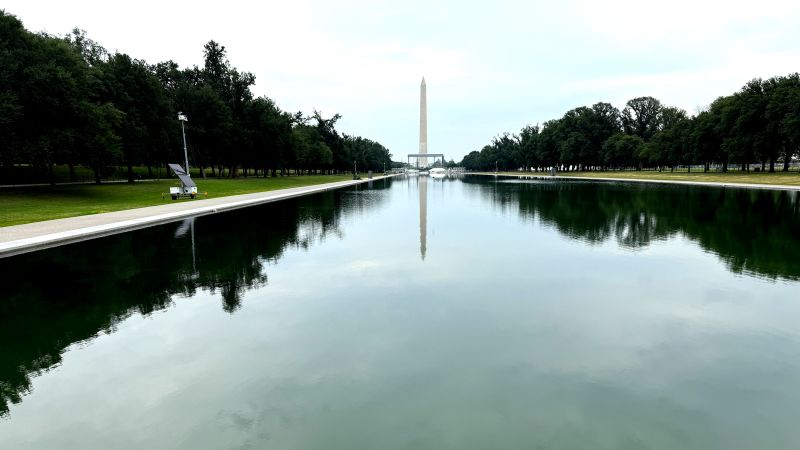
Can the so called nanobubbler save – The Lincoln Memorial Reflecting Pool, a symbol of American heritage and tranquility, has faced persistent challenges in maintaining its pristine appearance. To tackle this, the Trump administration has deployed a $1.7 million “ozone nanobubbler” designed to restore clarity to the water. This device generates an astonishing 500 million microscopic bubbles per teaspoon, utilizing oxygen to combat algae, bacteria, and other contaminants. While the process is described as oxidizing these elements, some critics argue the term “smash through” is more metaphorical than scientific. The technology, hailed as “state of the art” by the administration, aims to address a decades-old issue that has kept the pool from achieving consistent cleanliness.
A High-Stakes Experiment
Greenwater Services, a small company based in Brookfield, Ohio, was selected to lead this ambitious effort. As one of the few firms in the country with expertise in this technology, the company’s involvement has drawn significant attention. The Reflecting Pool, holding 6.5 million gallons of water, has long been a challenge for maintenance crews. Despite its recent age, the nanobubbler has never been tested or applied to such a large body of water before. The project’s success or failure is now being closely watched, with the pool serving as a microcosm of broader debates about the Trump administration’s approach to public infrastructure.
Political tensions have complicated the initiative. While the company has maintained a neutral stance, its connection to the administration has sparked controversy. Campaign finance records, both federal and state, show no direct contributions from Chas Antinone, the president and chief operating officer of Greenwater Services. However, the owner’s donations have come to light, linking the project to the president’s broader agenda. The pool, which has become a symbol of the nation’s divisions, is now at the center of questions about whether the technology can deliver long-term results or if it’s merely a political tool.
From Temporary Fix to Permanent Solution
Greenwater Services initially relied on temporary equipment to meet the administration’s timeline for refilling the pool. The permanent ozone nanobubbler unit had not yet been fully fabricated in Ohio, so the team brought in four mobile machines to kickstart the process. These units were installed on June 6, just two days after the pool was refilled. They operated at the same power level as the intended permanent system, according to the company’s spokesperson, and initially appeared to succeed in making the water clear. The results were promising, with the pool’s surface reflecting its surroundings with an almost mirror-like quality.
However, the National Park Service requested the removal of these temporary structures by June 12. The company complied without providing specific reasons for the decision. The algae, which had been temporarily subdued, returned with a noticeable bloom. A project insider described the algae’s reappearance as a “sudden resurgence,” supported by video footage captured by CNN’s camera. The timing of the algae’s return has raised eyebrows, with some suggesting a link between the equipment’s removal and the pool’s condition. Greenwater Services has remained silent on the period between the temporary units’ shutdown and the algae’s reappearance, leaving room for speculation.
“I’ve got no political affiliation in this thing whatsoever either way. And I don’t really care about that part,” said Chas Antinone, Greenwater Services’ president. “Our job was to come here and bring a technology we think can keep the Reflecting Pool looking clean and reflect the way it is supposed to.”
Antinone emphasized the company’s focus on the technical aspects of the project, rather than political maneuvering. Yet, the nanobubbler’s role in the broader renovation effort has drawn scrutiny. The system’s effectiveness hinges on its ability to sustain clarity in the pool’s shallow waters, a challenge that remains unproven. Joe Trusty, editor of Pool Magazine and a veteran in the field, noted the nanobubbler’s popularity as a marketing term. “It’s not surprising they were brought into the conversation, nor is it surprising they implemented it,” he said. “The real test is whether it can work in such a large and shallow body of water, which is far from a standard application.”
Questions About the Future
The project’s uncertainties extend beyond the nanobubbler itself. The Department of Interior has yet to establish a timeline for repairing the aging pipes that support the pool’s water system. Without these upgrades, the long-term viability of the technology is questionable. The temporary equipment, while effective for short-term use, may not be sufficient to maintain clarity over time. This lack of a clear plan has intensified doubts about the administration’s commitment to the pool’s restoration.
Greenwater Services has taken steps to manage the growing public and political scrutiny. The company has partnered with a crisis communications firm to navigate the challenges of its newfound visibility. While this move may help mitigate negative perceptions, it also underscores the complexity of the situation. The pool’s condition has become a barometer for the administration’s ability to execute large-scale projects, especially under pressure to deliver results by a specific deadline.
The nanobubbler’s journey reflects a broader trend in how technology is marketed and applied. Joe Trusty highlighted the “tremendous buzzword” status of the device, noting its appeal as a modern, innovative solution. Yet, the Reflecting Pool’s unique characteristics — its size, shallow depth, and historical significance — make it an ideal test case. The project’s outcome could determine whether the technology is a viable option for other public water features or if it’s destined to be a footnote in the administration’s history.
A Symbol in Peril
As the algae returns and the nanobubbler’s effectiveness is called into question, the Reflecting Pool stands as a testament to the challenges of maintaining national landmarks. Its condition has become a focal point for discussions about the intersection of politics and public works. The Trump administration’s efforts to revitalize the pool are not just about water quality; they’re about projecting an image of renewal and control. However, the project’s current state — with temporary solutions in place and a lack of long-term strategy — suggests that the path to clarity is far from guaranteed.
For now, the pool remains a stage for both technological promise and political tension. The nanobubbler’s performance, the fate of the temporary units, and the unanswered questions about the Department of Interior’s timeline all contribute to an evolving narrative. Whether this initiative will succeed or falter, its impact on the pool’s legacy and the administration’s reputation will be felt for years to come. As the project moves forward, the eyes of the nation will remain on the water’s surface, waiting to see if it can finally reflect the ideals it has long symbolized.
Greenwater Services, in its detailed timeline shared with CNN, revealed the logistical hurdles faced during the project. The company had to adapt quickly, bringing in temporary machines to meet the July Fourth deadline for the pool’s reopening. These units, though visible, were functional and delivered the desired results. However, the decision to remove them before the permanent system was installed has left questions about the project’s planning and execution. The algae’s return, while perhaps an unfortunate side effect, has also highlighted the complexities of water treatment in such a unique setting.
The nanobubbler’s role in the project is now being scrutinized alongside its political implications. With no clear timeframe for pipe repairs and ongoing concerns about its long-term efficacy, the technology’s success remains uncertain. The Reflecting Pool, a historic site, is now a battleground for both technical and ideological debates. As the administration continues to push for a solution, the pool’s fate serves as a reminder of the delicate balance between innovation and tradition in public infrastructure.
