
Elon Musk likely broke the law by giving voters $1 million, Wisconsin board says
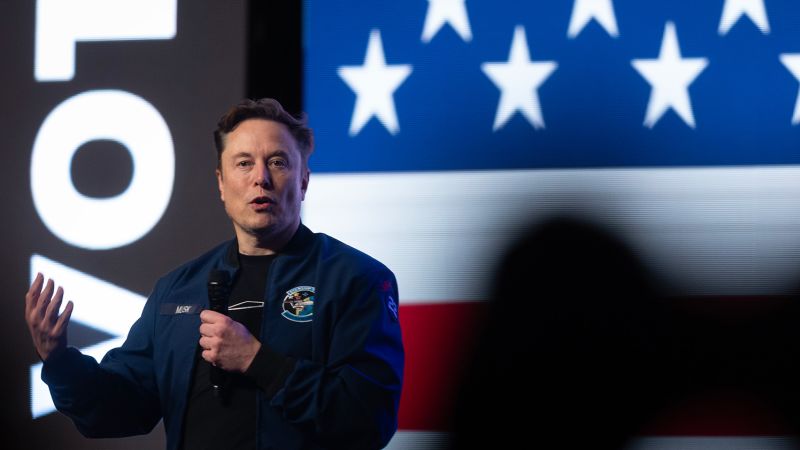
Wisconsin Officials Find Musk May Have Violated Election Bribery Statute
Commission Refers Complaints Over Million-Dollar Voter Checks
Elon Musk likely broke the law by – A bipartisan committee in Wisconsin has determined that billionaire entrepreneur Elon Musk probably violated state legislation when distributing one million dollars in checks to citizens participating in the 2025 state Supreme Court contest. The Wisconsin Elections Commission forwarded two separate grievances to the Brown County district attorney’s office during last week’s proceedings. The local prosecutor now holds discretion to pursue criminal prosecution for what could constitute election bribery under Wisconsin statutes. Officials have been given forty days to submit their findings back to the commission regarding potential charges.
The complaints originated from residents in both Milwaukee and Green Bay, the latter situated within Brown County. According to commission spokesperson Emilee Miklas, the body comprising three Democratic and three Republican members reached a five-to-one decision during a closed session on Thursday to escalate the matters. Brown County District Attorney David Lasee, who serves as a Republican, had not yet provided a statement when contacted on Tuesday regarding the referral.
Election Context and Musk’s Substantial Investment
Musk, who leads both SpaceX and Tesla as its chief executive officer, played an instrumental role attempting to shift control of Wisconsin’s highest judicial body. The technology magnate alongside allied organizations committed a minimum of twenty million dollars toward supporting Brad Schimel, the Republican-endorsed nominee. Despite this considerable financial backing, Schimel ultimately fell short by ten percentage points against Susan Crawford, who carried Democratic support.
Following this decisive defeat, Musk publicly declared intentions to reduce his political campaign expenditures considerably. The entire electoral contest exceeded one hundred million dollars in total spending, establishing a record as the priciest judicial race ever conducted in American history. Three Wisconsin citizens ultimately received monetary awards from Musk, with two obtaining their payments personally during the Green Bay gathering held mere days prior to voting day.
Legal Arguments and Pending Litigation
The commission’s motion indicated that probable cause existed for determining Musk violated Wisconsin law through a social media announcement promising one million dollars to individuals who cast ballots in the Supreme Court election, specifically aiming to encourage participation. Musk’s representatives did not promptly address inquiries for comment regarding the findings.
Legal challenges have already emerged from the controversy. The Wisconsin Democracy Campaign, a government oversight organization, initiated litigation seeking to permanently bar Musk from distributing cash incentives within the state. This case remains under consideration in Brown County courts. The filing contends that Musk and two organizations he finances breached restrictions concerning vote bribery and unauthorized lotteries, additionally characterizing the conduct as an unlawful conspiracy creating public nuisance.
Furthermore, Wisconsin’s Democratic attorney general attempted to prevent Musk from delivering checks to two recipients, though state courts dismissed this effort. In legal documents submitted during 2025, Musk’s counsel maintained that the entrepreneur exercised constitutional free speech protections through these distributions. They argued that any limitation on such activities would contravene both Wisconsin and United States constitutional provisions. Court filings emphasized that the monetary awards aimed to cultivate grassroots opposition toward activist judges rather than directly endorsing or opposing particular candidates.
Precedent and Broader Implications
This approach mirrors strategies Musk employed before the 2024 presidential contest, when his political action committee, America PAC, pledged to distribute one million dollars daily to Wisconsin and six additional competitive states where voters signed petitions backing the First and Second amendments. A Pennsylvania magistrate subsequently ruled that prosecutors had not demonstrated the initiative constituted an illegal lottery, permitting the program to proceed through Election Day.
Crawford’s victory preserved liberal dominance on Wisconsin’s Supreme Court, with that majority expanding to five-to-two following Chris Taylor’s successful campaign this year. The confidential nature of the current complaints under state law means further details may emerge as the district attorney evaluates whether to pursue formal charges against the technology entrepreneur.
