
Outbreak of diarrhea from parasite expands to more states as US cases soar beyond last year’s level
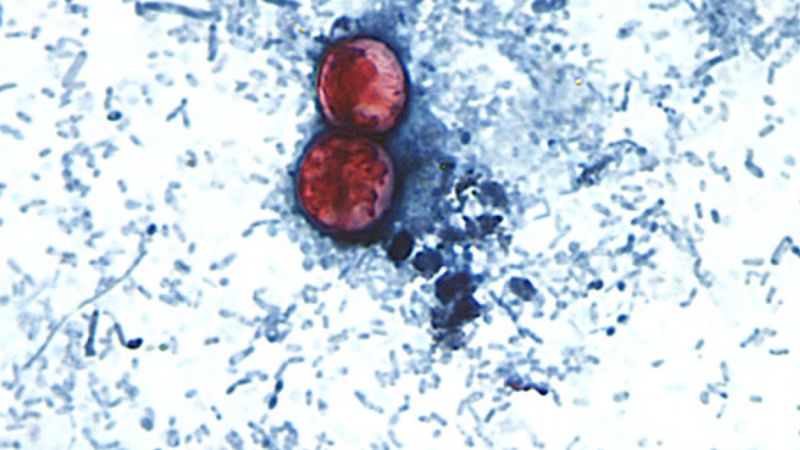
Outbreak of Diarrhea from Parasite Expands as US Cases Soar
Outbreak of diarrhea from parasite expands – The United States is experiencing a significant escalation in cyclosporiasis infections, with the outbreak of diarrhea from parasite now reaching unprecedented levels. Health officials at the Centers for Disease Control and Prevention reported on Tuesday that confirmed cases have climbed to 1,645 since May, representing a sharp increase compared to previous years. Beyond these verified instances, authorities are investigating more than 5,100 additional potential cases that could be linked to the same parasitic infection. This surge in illnesses signals a growing public health challenge that extends well beyond normal seasonal patterns.
Geographic Spread and Regional Clusters
The parasitic illness has now been documented across thirty-four different states, demonstrating its rapid geographic expansion. A particularly intense cluster is emerging in the Midwest region, where health departments are working to identify common sources of contamination. Local health officials in affected areas have begun implementing enhanced surveillance measures to track new cases and prevent further transmission. The concentration of cases in certain regions suggests that specific food supply chains or environmental factors may be contributing to the outbreak’s persistence.
Understanding Cyclosporiasis Infection
Cyclosporiasis is caused by a microscopic parasite called Cyclospora cayetanensis, which typically enters the body through contaminated food or water. Symptoms often include watery diarrhea, fatigue, loss of appetite, and abdominal cramping. The illness can last from a few days to several weeks if left untreated, and some patients experience recurring symptoms. Health experts emphasize that proper hygiene and food safety practices remain essential for preventing infection, particularly during peak season when cases tend to rise.
“We are seeing a substantial increase in cases compared to last year, and our investigation is ongoing to identify all potential sources,” said a CDC spokesperson. “The current numbers indicate this outbreak is larger than we anticipated at the beginning of the season.”
Prevention and Treatment Measures
Treatment for cyclosporiasis typically involves prescription antibiotics, though some cases may resolve without medication. Public health authorities recommend that individuals who develop symptoms after consuming potentially contaminated foods should seek medical attention promptly. Washing fruits and vegetables thoroughly before consumption can help reduce the risk of infection. Additionally, avoiding raw or undercooked produce from affected regions may provide an extra layer of protection during this heightened period of transmission.
As the outbreak of diarrhea from parasite continues to expand, health officials remain vigilant in monitoring new developments. The investigation into specific food sources and distribution patterns is ongoing, with the hope that identifying the primary vectors will help contain the spread. Residents in affected areas are encouraged to stay informed through local health department updates and to report any suspicious symptoms to healthcare providers. With continued surveillance and public awareness, experts believe the situation can be managed effectively as the season progresses.
