
Hackers breach senior US Space Force official’s Instagram account and post Iranian propaganda
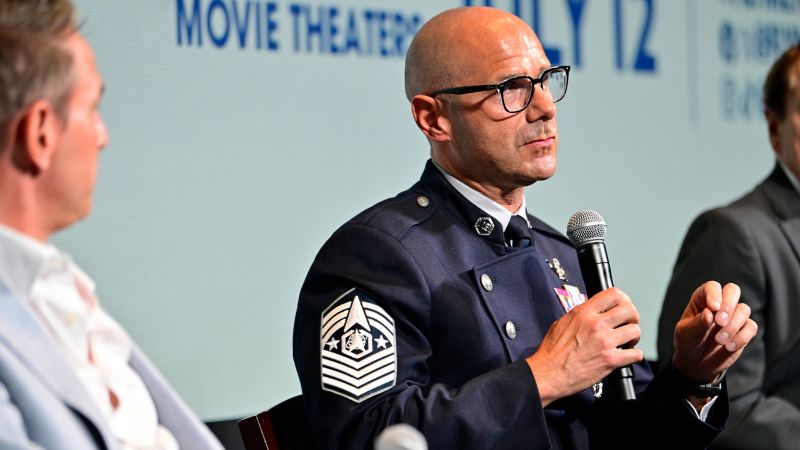
Hackers Infiltrate Senior US Space Force Official’s Instagram, Disseminate Iranian Propaganda
Hackers breach senior US Space Force – Recent cyberattacks have targeted a high-ranking US Space Force official’s Instagram account, with hackers leveraging the breach to spread Iranian-aligned messaging. The incident, reported on June 1, 2026, saw the account compromised and used to post content promoting pro-Iranian perspectives and criticizing US military actions. The breach, which gained traction through media coverage including CNN, featured a video incorporating audio from Hanoi Hannah, a Vietnam War-era propagandist, to encourage US soldiers to “leave a sinking ship.” This tactic, blending historical audio with modern digital platforms, aims to amplify Iran’s narrative in the ongoing conflict.
Strategic Use of Nostalgic Propaganda
The video, analyzed by CNN, used the iconic voice of Hanoi Hannah to reinforce its message. This deliberate choice of vintage audio taps into the emotional resonance of past conflicts, suggesting a calculated effort to sway public sentiment. Alongside the audio, imagery of Ali Larijani—a former Iranian security official—was included, reinforcing the propaganda’s connection to the US-Israel-Iran war. Such content not only highlights the power of digital media but also underscores how adversaries can exploit it to influence perceptions, particularly among troops in combat zones.
Response from the Space Force
Chief Master Sgt. John Bentivegna, the top enlisted officer in the Space Force, addressed the breach via a Facebook post on June 1, 2026, stating, “We are working with the appropriate teams to regain access and resolve the issue as quickly as possible.” The statement emphasized the urgency of the situation and the Space Force’s commitment to cybersecurity. A spokesperson later confirmed the incident but did not specify the timeline of the breach or the identities of the attackers, leaving gaps in the public understanding of the attack’s scope and intent.
Space Force’s Cybersecurity Challenges
The breach highlights vulnerabilities in the Space Force’s digital infrastructure, raising concerns about the security of military personnel’s personal accounts. With the US-Iran conflict intensifying, adversaries are increasingly targeting social media platforms to spread disinformation. In late April, similar attacks saw Iranian hackers send “unsubstantiated” threats to US Marines and their families via text messages, warning them of surveillance by missile units. These incidents signal a growing trend in using cyber tactics to create fear and disrupt military operations.
Broader Pattern of Cyber Operations
This incident is part of a larger series of cyberattacks in the US-Iran conflict. In March, Iranian hackers accessed the personal email account of FBI Director Kash Patel, leaking archived photos and correspondence. Such actions, often attributed to state-sponsored groups, demonstrate the strategic importance of cyber warfare in modern conflicts. Meanwhile, young Iranians have employed AI to generate viral content, including Lego-themed videos that mock US leaders and the war effort, illustrating how technology is being used to amplify cultural and political messaging on a global scale.
Impact on Public Perception and Morale
The spread of Iranian propaganda through social media has the potential to sway public opinion and affect troop morale. The use of Hanoi Hannah’s audio, paired with images of key Iranian figures, seeks to frame the conflict as a prolonged struggle against the US. This approach aligns with broader efforts to undermine American credibility and rally support for Iran. As the war progresses, the role of digital platforms in shaping narratives will likely grow, making cybersecurity a critical priority for military and governmental agencies.
Future Implications of the Digital Front
Experts warn that the breach of Bentivegna’s account reflects the evolving nature of warfare, where digital manipulation can be as impactful as physical strikes. With cyber threats becoming more sophisticated, the Space Force and other military branches must enhance their defenses against such attacks. The incident also underscores the need for vigilance in protecting personal and professional accounts, as adversaries continue to exploit online platforms for strategic advantage. As the US-Iran conflict unfolds, the digital front will remain a key battleground in the fight for information dominance.
