
ICE officers warned a New York man after he sent a critical email to the agency’s chief. Now he’s suing
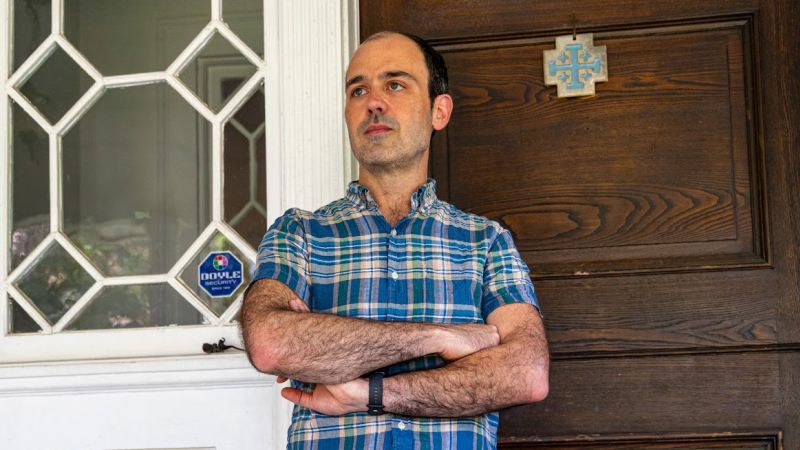
ICE Officers Warn New York Man After Critical Email to DHS Chief
ICE officers warned a New York – ICE officers issued a warning to a New York man following a critical email he sent to the Department of Homeland Security’s acting chief, Todd Lyons. David Streever, a New York resident, has since filed a lawsuit against DHS officials, alleging that the officers harassed him for expressing dissent. The incident has drawn attention to concerns about government agencies using intimidation tactics to suppress free speech, particularly after the fatal shooting of Alex Pretti by ICE agents in January. Streever’s case underscores the potential for administrative actions to evolve into legal confrontations, raising questions about the boundaries between accountability and retaliation.
From Distress to Legal Action
Streever’s concerns were triggered by the killing of Alex Pretti in Minneapolis, an event that galvanized public outrage. Two days after the incident, he sent an email to Lyons, criticizing the agency’s handling of the situation. The message, titled “What’s Next,” included intense language accusing Lyons of being akin to a Nazi official. Five months later, Streever received a visit from ICE officers at his home in Rochester, New York, where they delivered a formal warning. This encounter, marked by strong rhetoric, has since been framed as a chilling exercise in governmental intimidation.
“You will never know peace. You will seek to lose yourself, to escape the burden of knowing the truth about yourself. But wherever you go, you will find yourself. You will torment yourself until your last day on Earth.”
The email, which Streever later cited as the basis for his legal action, was described as a passionate critique of ICE’s policies. His attorneys argue that the agency overreacted, using the threat of legal consequences to silence dissent rather than addressing the core issue of his criticism.
Intimidation Tactics and Legal Framework
The warning from ICE officers included a clear directive: “You MAY BE IN VIOLATION OF FEDERAL LAW.” This statement, according to Streever’s legal team, was used to instill fear in him and his family. The lawsuit claims that the officers’ actions, including repeated phone calls and surveillance of his travel, created a hostile environment. Streever was in Europe with his daughter when the warning was delivered, and his wife returned home during the visit, alerting the agents to his expected return. The encounter at a New York City hotel later that week intensified the sense of being targeted by the agency.
DHS officials defended the warning, stating that threats against personnel are investigated thoroughly. However, they avoided commenting on the specifics of Streever’s case, leaving the interpretation of his criticism to the court. The legal battle highlights the tension between the right to free speech and the perceived overreach of federal agencies in enforcing compliance. Streever’s case has also sparked broader discussions about the role of ICE in monitoring and disciplining critics within its own ranks.
Broader Context and Similar Incidents
Streever’s lawsuit is part of a growing pattern where ICE officers target individuals who challenge their authority. In Syracuse, another New Yorker, Paigelynn Gonyea, received a similar warning after criticizing an ICE officer involved in a fatal shooting. Gonyea’s January social media post, which referenced Jonathan Ross, the officer responsible for killing Renee Good, was cited by DHS as a potential threat. This raises questions about how agencies define and respond to perceived criticism, particularly in politically charged contexts.
Legal experts note that while the First Amendment protects free speech, it does not shield individuals from being accused of threats. Streever’s case illustrates how criticism can be weaponized, especially when linked to high-profile incidents. The lawsuit seeks to establish that the warning was not a legitimate investigation but an effort to intimidate him into self-censorship. As the case progresses, it may serve as a pivotal example of how free speech is safeguarded—or challenged—within the U.S. immigration enforcement framework.
