
In private speech, Blanche tried to mend fences with critical conservative activist
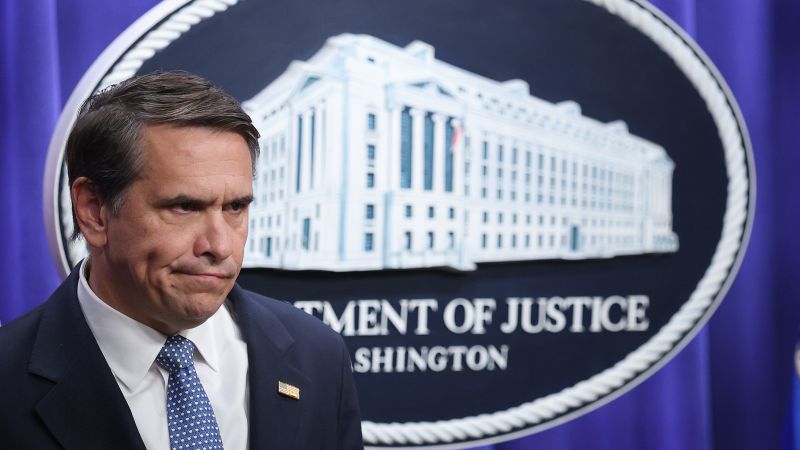
Blanche Tries to Mend Fences with Judicial Watch in Private Speech
In private speech Blanche tried to mend – Acting Attorney General Todd Blanche recently engaged in a private conversation with Judicial Watch, a prominent conservative watchdog group, to address mounting tensions between the Justice Department and the organization. The meeting, held at a Trump-owned Miami hotel, marked a deliberate effort to rebuild rapport with critics of the administration. Blanche’s private speech aimed to reassure the group that federal agencies are open to collaboration, particularly on issues related to election integrity and government transparency. This outreach followed a period of public disagreements, as Judicial Watch has consistently challenged the DOJ’s handling of legal matters, including its role in the 2020 election.
Strategies to Rebuild Trust
Blanche’s approach centered on emphasizing shared goals, such as combating voter fraud and ensuring accountability within federal agencies. During the private speech, he highlighted recent actions by the Justice Department, including the seizure of ballots in Fulton County, Georgia, as evidence of alignment with Judicial Watch’s priorities. While the group’s leadership, including its new head Tom Fitton, has remained critical of the DOJ’s independence, Blanche framed the discussion as an opportunity to bridge differences. His remarks sought to position the Justice Department as a proactive force in addressing concerns about the “deep state” agenda.
“In private speech, Blanche tried to highlight the common ground between our missions,” said Fitton, who attended the event. “He stressed that the DOJ is not just investigating but also protecting the integrity of the electoral process.”
Public vs. Private Dynamics
The private speech contrasted with previous public exchanges, where Judicial Watch had accused the DOJ of partisan bias and overreach. In this setting, Blanche focused on mutual objectives, such as increasing transparency in legal investigations. He acknowledged the group’s critiques while framing them as part of a broader national conversation about accountability. The event also featured a reading of Fitton’s tweets, which Blanche used to illustrate the group’s concerns about record-keeping and oversight of federal law enforcement. This tactic aimed to show that the DOJ is actively engaging with critics, not dismissing their views.
“In private speech, Blanche tried to demonstrate that the DOJ is listening,” noted a spokesperson. “He emphasized the need for a balanced approach to accountability, ensuring both transparency and independence.”
Despite the effort, lingering disputes remain. Judicial Watch has not fully endorsed the DOJ’s actions, arguing that the agency still needs to take more aggressive steps to address gaps in public disclosure. Fitton, who has been vocal about the “deep state” narrative, reiterated that the DOJ must prove its commitment to impartiality. Blanche’s private speech, while a step toward reconciliation, has not yet resolved the underlying ideological clashes. However, it signals a shift in strategy, with the acting attorney general seeking to engage with critics in a more collaborative manner.
“In private speech, Blanche tried to frame the DOJ as a partner, not an adversary,” said an observer. “This is a calculated move to win support for policies that align with Judicial Watch’s agenda.”
Legacy of the Meeting
The interaction between Blanche and Judicial Watch has sparked discussions about the role of private dialogue in political strategy. While the meeting did not resolve all disputes, it provided a platform for addressing concerns in a more measured tone. Fitton’s presence at the event underscored the significance of the engagement, though the group’s continued scrutiny of the DOJ suggests that tensions will persist. Blanche’s focus on shared goals, such as the investigation of potential election irregularities, aims to position the DOJ as a key player in the ongoing debate over legal integrity.
As the Justice Department navigates its relationship with conservative watchdogs, the private speech with Judicial Watch represents a pivotal moment. It not only underscores Blanche’s efforts to mend fences but also highlights the complex dynamics between the administration and its critics. The meeting’s success will depend on whether the DOJ’s actions in the coming months reflect the commitments outlined in the private discussion. For now, the focus remains on fostering dialogue and aligning priorities, even as disagreements over political bias and oversight continue to shape the landscape.
