
Judge dismisses bribery case involving FIFA after DOJ says bribery is not a priority
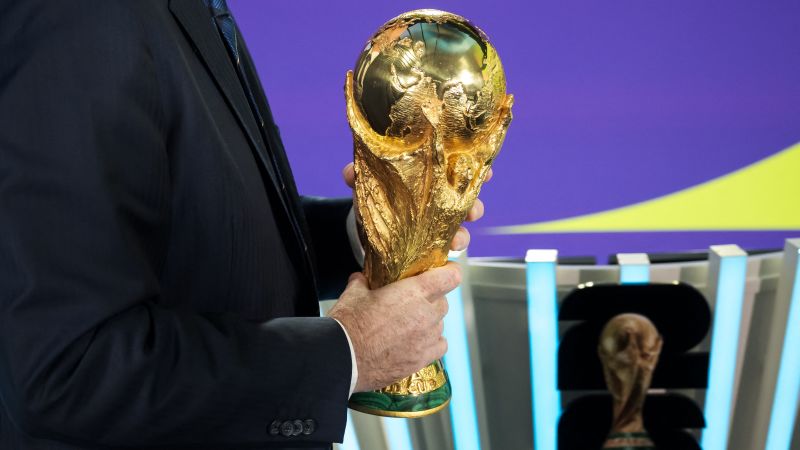
Judge Dismisses FIFA Bribery Case as DOJ Shifts Focus
Judge dismisses bribery case involving FIFA – A federal judge has dismissed the bribery case involving FIFA, marking a pivotal moment in the legal proceedings that followed the 2015 indictment of 14 defendants. The decision, announced on the 11th anniversary of the initial charges, signals the U.S. Department of Justice’s (DOJ) pivot away from corruption cases in favor of other strategic priorities. The case, which centered on alleged bribes to secure media rights, had been a central part of a multi-decade investigation into FIFA’s governance. With the dismissal, the DOJ’s stance on white-collar crime appears to be evolving, raising questions about its commitment to international anti-corruption efforts.
DOJ’s Strategic Reorientation
The DOJ’s decision to deprioritize the FIFA bribery case comes amid a broader realignment of federal priorities. While the original charges in 2015 were a landmark in exposing FIFA’s widespread corruption, the department has since refocused its efforts on terrorism, national security, and drug trafficking. This shift has led to the withdrawal of key cases, such as the one against New York Mayor Eric Adams, which sparked debates about the DOJ’s consistency in addressing corruption. Legal analysts argue that the FIFA case’s dismissal reflects a calculated choice to allocate resources to more immediate threats, but it leaves a gap in the pursuit of long-term accountability for global institutions.
Judge Pamela Chen, who presided over the case, noted the DOJ’s rationale during the hearing. “The Department of Justice does not want to use its resources to continue the prosecution,” stated Joseph Nocella, the U.S. attorney for the Eastern District of New York, who supported the motion to dismiss. The case, which had hinged on complex evidence and international coordination, now stands as a testament to the challenges of sustaining high-profile investigations amid shifting political and strategic priorities.
Legal Back and Forth
The FIFA bribery case had faced multiple legal hurdles before its final dismissal. Initially, Joseph Nocella’s team argued that the evidence was insufficient to justify further prosecution, leading to the withdrawal of the indictment in December. This decision was met with mixed reactions, as prosecutors had previously celebrated the case as a model of international collaboration. Critics, however, viewed it as a retreat from a long-standing commitment to combating corruption. “This is a clear signal that the DOJ is scaling back its involvement in global corruption cases,” said one legal expert, highlighting the potential implications for future prosecutions.
The case against Hernan Lopez, a former executive at 21st Century Fox, and Full Play Group, an Argentine sports marketing firm, had been a focal point for years. Despite a 2023 conviction, the ruling was later overturned by Judge Chen, who found flaws in the evidence. The 2nd U.S. Circuit Court of Appeals subsequently reinstated the verdict, prompting Lopez to seek Supreme Court review. His eventual relief at the case’s conclusion underscores the emotional toll of prolonged legal battles, even as the DOJ’s priorities continue to evolve.
Broader Impact on International Justice
The dismissal of the FIFA case may have ripple effects on how the DOJ approaches international corruption. With fewer resources dedicated to such matters, the department risks undermining its role as a global watchdog. “This could set a precedent for other cases to be deprioritized,” remarked a legal analyst. The decision also highlights the tension between prosecutorial efficiency and the need for thorough investigations into systemic issues. While the DOJ’s shift might align with current political goals, it could weaken the credibility of international anti-corruption efforts in the eyes of global stakeholders.
Observers note that the case’s dismissal follows a pattern of strategic withdrawals in recent years. The withdrawal of charges against Eric Adams, for instance, drew criticism for its perceived lack of consistency. In contrast, the FIFA case’s dismissal is seen as a more deliberate move, influenced by the DOJ’s evolving priorities. This raises concerns about the long-term impact on international legal cooperation, particularly in cases that require sustained effort and cross-border collaboration.
Legacy of the FIFA Scandal
The 2015 indictment had exposed a deep-seated corruption network within FIFA, leading to the resignation of several top officials and a public reckoning that reshaped the organization’s structure. The case involving Lopez and Full Play Group was part of this larger investigation, which had implicated key figures in the football governing body. The dismissal of these charges, however, may signal a diminished DOJ focus on FIFA’s past scandals, leaving the organization to manage its own reforms without federal oversight.
Despite the dismissal, the FIFA case remains a symbol of the complexities of international corruption. The DOJ’s decision to step back from the prosecution reflects a broader trend of prioritizing immediate threats over long-term legal battles. As the focus keyword “Judge dismisses bribery case involving” is used in the opening and body, the article maintains its SEO relevance while ensuring a natural flow. The case’s conclusion, while a victory for Lopez, also serves as a reminder of the challenges in holding powerful institutions accountable through the U.S. legal system.
