
Judge says she doesn’t believe ‘anti-weaponization’ fund is dead; extends order blocking it
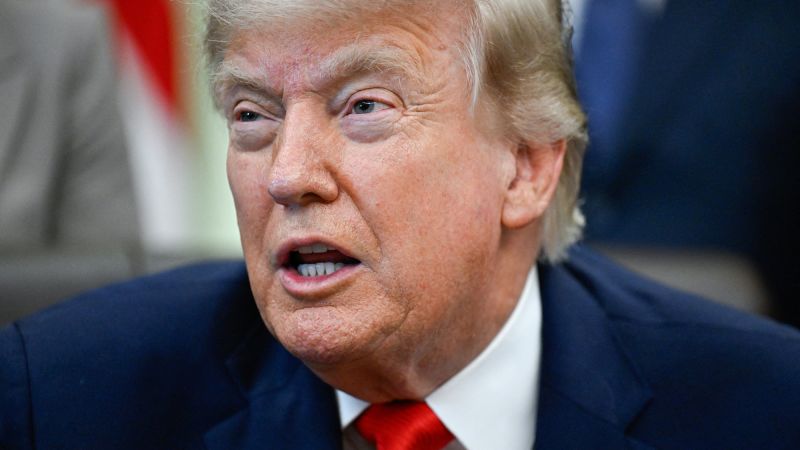
Judge Says Anti-Weaponization Fund Not Dead; Blocks Initiative
Key Details of the Ruling
Judge says she doesn t believe – In a recent decision, Judge Leonie Brinkema of the Eastern District of Virginia reaffirmed her stance that the “anti-weaponization” fund, proposed by former President Donald Trump, is not yet dead. The judge extended a temporary block on the program indefinitely, citing the absence of conclusive evidence that the initiative has been permanently terminated. Her ruling hinges on three main factors: the lack of sworn confirmation from officials, the unresolved settlement agreement with the IRS, and Trump’s expressed intent to keep the fund active. “When the President of the United States says he wants something to happen,” Brinkema emphasized, “that’s a strong sign there will be a reason to make it happen.” The judge also warned that the fund could be revived if no clear documentation of its demise is provided.
Legal Arguments and Implications
The legal battle over the fund centers on its constitutionality and the separation of powers. Plaintiffs, including a former federal prosecutor and abortion rights advocates, argue that the program violates federal law by allowing the executive branch to allocate funds without congressional approval. Judge Brinkema acknowledged the risks, noting that the balance of harms leans toward protecting taxpayer interests. “Judge says she doesn’t believe the administration’s claims about the fund’s status are sufficient to end the litigation,” she stated, underscoring the need for further judicial review. The Justice Department has claimed the fund is no longer in effect, but Brinkema’s order ensures its continuation until more evidence is presented.
Background and Ongoing Controversy
The anti-weaponization fund was first blocked in late May by Brinkema, following bipartisan pushback against its creation. The program aimed to provide financial support to Trump supporters convicted of crimes under Democratic leadership. Acting Attorney General Todd Blanche had initially stated the fund would not proceed, but this was later contested. Judge Brinkema’s extension of the block highlights her skepticism about the administration’s commitment to its termination. “Judge says she doesn’t believe the fund is fully extinguished without formal declarations,” she clarified, noting its potential to resurface as a political tool. The decision contrasts with a separate ruling by Judge Richard Leon in Washington, D.C., who allowed the initiative to move forward under the assumption it was dead.
Constitutional Challenges and Public Reaction
Plaintiffs in the case argue that the fund’s structure undermines the separation of powers by giving the executive branch unchecked authority to allocate resources. They also claim the program creates a selective compensation system that favors Trump supporters over others. The National Abortion Federation raised concerns about incentivizing criminal behavior, arguing that recipients might be motivated to commit new offenses after being reimbursed. “Judge says she doesn’t believe the fund’s risks have been adequately addressed,” one legal expert noted, citing the judge’s emphasis on accountability. Public reaction has been mixed, with some praising the ruling as a check on executive power and others criticizing it as partisan.
Broader Impact on Judicial Oversight
Brinkema’s decision reinforces the role of judicial oversight in curbing executive overreach. By blocking the fund’s immediate implementation, she ensured that the administration must provide sworn statements confirming its permanent closure. “Judge says she doesn’t believe the program is dead without definitive proof,” the ruling states, setting a precedent for future challenges. The case has drawn attention to how judicial decisions can shape policy outcomes, particularly in politically charged matters. Legal analysts suggest the order may delay the fund’s potential revival, giving lawmakers more time to address its implications.
Future Steps and Political Context
As the case progresses, the Justice Department faces pressure to submit sworn documentation supporting the fund’s termination. If they fail to do so, the program remains in limbo, with Brinkema’s order ensuring ongoing legal scrutiny. The ruling comes amid a broader debate over how federal funds are used to support political agendas. “Judge says she doesn’t believe the administration has exhausted all options to keep the fund alive,” critics argue, highlighting the tension between executive and legislative authority. Meanwhile, supporters of the initiative remain hopeful that the program will eventually be reinstated, citing its role in rewarding those they view as unfairly targeted by past administrations.
