
Mamdani-backed congressional candidate deleted posts calling to seize private property, abolish police, borders, prisons
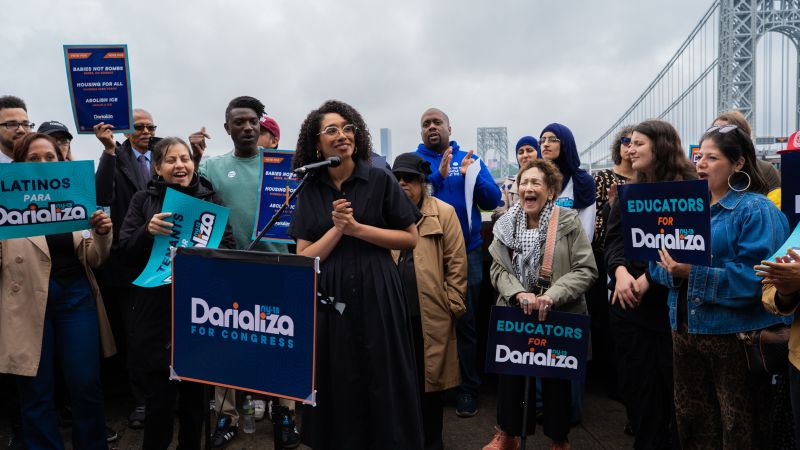
Mamdani-Backed Candidate Deletes Posts on Property Seizure, Abolition of Police and Borders
Mamdani backed congressional candidate deleted posts – A Mamdani-backed congressional candidate recently deleted her former Twitter account, sparking debate over her evolving political platform. Darializa Avila Chevalier, a democratic socialist candidate endorsed by New York City Mayor Zohran Mamdani, had long advocated for the abolition of police, prisons, and national borders, along with calls to seize private property and nationalize industries. Her account, which featured thousands of posts and reposts over the past decade, also included sharp critiques of Israel’s existence. The deletion has raised questions about the consistency of her stance and its alignment with current political priorities.
From Radical Ideas to Current Campaign
Avila Chevalier, a 32-year-old investigator at a public defender’s office in New York City and doctoral student, has become a prominent figure in the democratic socialist movement. Her campaign to unseat five-term Rep. Adriano Espaillat in the 13th Congressional District highlights the growing influence of left-wing ideologies within the Democratic Party. Mamdani’s support has positioned her as a key player in a race symbolizing broader tensions between progressive and establishment factions. However, the deletion of her old account has intensified scrutiny of her past positions.
Some of her now-deleted tweets included sweeping calls for systemic change, such as “Yes, literally, abolish the border” and “all deportation is wrong.” These statements aligned with her earlier advocacy for abolishing police forces and prisons, as well as nationalizing major industries. The posts also featured hashtags like #BlackLivesMatter and #FreePalestine, reflecting her engagement with movements for racial justice and Palestinian rights. Critics argue that her previous rhetoric suggests a more radical approach than her current campaign suggests.
Archival Evidence of Past Activism
The Internet Archive’s Wayback Machine preserved over 3,600 tweets from Avila Chevalier’s account between 2018 and 2022, offering a glimpse into her ideological trajectory. Among the archived posts, she once declared, “Trick question – Israel doesn’t exist!” in response to a social media prompt. This exchange underscored her early commitment to challenging the legitimacy of Israel. Other tweets proposed the seizure of private property and the dismantling of national borders, framing these as necessary steps toward a more equitable society.
Her campaign account now lists “Manhattan, NY” as her location, though it previously included the phrase “Occupied Lenape Land,” later updated to “Lenapehoking (NYC)” to acknowledge Indigenous claims. This shift in language reflects her attempt to align with contemporary narratives. Yet, the deletion of her older posts raises concerns about the authenticity of her current platform, particularly in light of her continued support from Mamdani and her focus on immigration and class struggles.
Responses from Avila Chevalier and Mamdani
Avila Chevalier defended her past posts, stating they no longer reflect her current views. “My opponent wants to live in the past,” she said, criticizing the focus on outdated social media content. She emphasized her growth and commitment to addressing modern issues like housing insecurity and immigrant rights. Meanwhile, Mayor Mamdani reaffirmed his backing, highlighting her role in challenging corporate interests and advocating for working-class communities.
“I have grown considerably since these tweets, and I am focused on our community’s future,” Avila Chevalier said in response to media inquiries.
Mayor Mamdani praised Avila Chevalier as a “champion for New York City’s working families,” stressing her ability to tackle issues like corporate greed and landlord exploitation. His endorsement has framed the race as a referendum on progressive policies, with the deletion of her posts serving as a focal point for the debate between radical and pragmatic approaches to governance. The primary election on June 23 now carries symbolic weight in this ideological struggle.
