
Monetary compensation becomes key sticking point in Iran deal as Trump bristles at comparison to Obama agreement
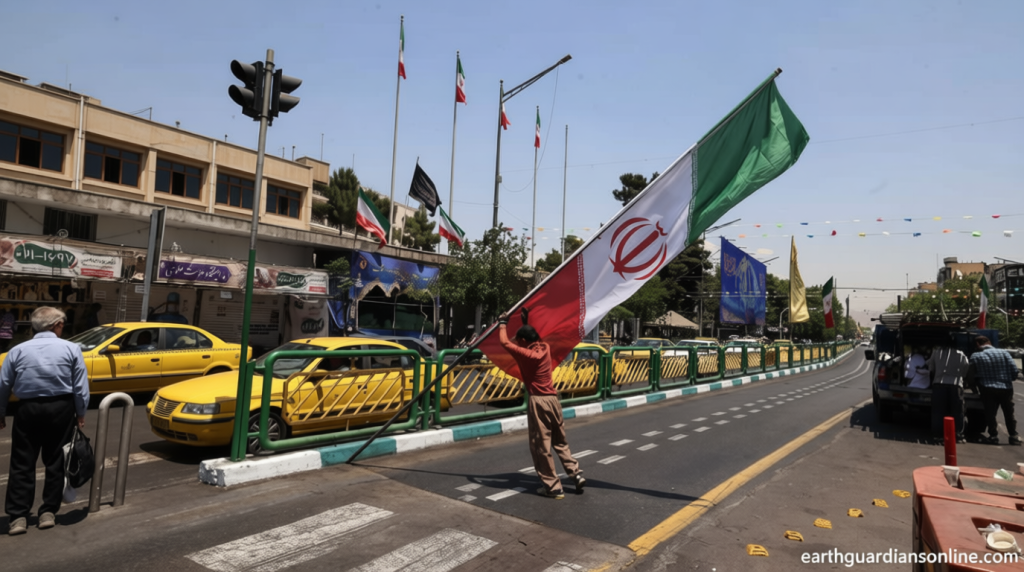
Monetary Compensation Emerges as Crucial Dispute in Iran Negotiations
Monetary compensation becomes key sticking point – Discussions between the United States and Iran have reached a pivotal stage, with monetary compensation serving as a central issue. According to a U.S. official privy to the ongoing talks, the administration is determined to finalize a deal that surpasses the terms of the 2015 agreement under former President Barack Obama. This goal has become a defining aspect of the negotiations, as the current administration seeks to differentiate its approach from its predecessor’s.
Iran, in its outreach to mediators, has insisted that financial compensation should be made available as soon as a preliminary memorandum of understanding is agreed upon. The official noted that the country is unwilling to delay the release of funds, which could serve as an early victory in the talks. However, U.S. officials are wary of this demand, fearing it might undermine the economic pressure the Trump administration has imposed on Iran since the conflict began. The concern is that an immediate unfreezing of resources could weaken Washington’s leverage, allowing Iran to use the money to stabilize its economy without facing further sanctions.
Trump’s team has emphasized that the current agreement must be seen as a stronger alternative to the 2015 deal. This sentiment is echoed in the phrase “pallets of cash,” which the president has used to criticize Obama’s approach. The administration wants to avoid the perception of giving Iran a financial windfall, a tactic they believe could be exploited by opponents to argue that the new deal is less stringent. As a result, the U.S. is exploring options that do not involve direct monetary transfers, instead redirecting funds through third parties or limiting their use to specific purposes.
The stakes of this disagreement are significant. The compensation issue is not only a matter of economic strategy but also a tool for shaping public opinion. Trump has instructed his advisors that any agreement must clearly demonstrate the U.S. has retained control over Iran’s financial assets until the country complies with its obligations. This principle, encapsulated in the phrase “no dust, no dollars,” reflects the administration’s belief that financial relief should come only after Iran has taken measurable steps to reduce its nuclear capabilities.
While the initial focus is on monetary compensation, the negotiations are poised to enter a more technical phase. Secretary of State Marco Rubio highlighted that the second stage will involve detailed discussions on Iran’s nuclear program, including the specifics of its enrichment activities. The current memorandum of understanding is expected to lay the groundwork for these negotiations, but the question remains: will the release of funds be tied to Iran’s compliance or left as a separate condition?
Iran’s demand for $12 billion in compensation dwarfs the $1.7 billion released under the 2015 agreement. This figure has been a point of contention, with U.S. officials noting that the financial terms are a critical component of the deal’s success. If the funds are made available early, it could signal that the U.S. is prioritizing political gestures over continued economic pressure. Conversely, delaying compensation might be seen as a way to enforce stricter conditions before granting Iran relief.
To address these concerns, U.S. advisers have proposed alternative strategies. One idea involves channeling funds through other countries, such as Qatar, to avoid direct payments to Iran. This approach would maintain the financial pressure while still offering some form of compensation. Another proposal is to restrict the use of unfrozen assets to humanitarian purposes only, ensuring that the money is allocated for medicine, food, and agricultural goods rather than supporting the regime’s broader economic activities.
The concept of an investment fund for Iran has also surfaced in discussions. This fund would provide billions of dollars for reconstruction once a final agreement is reached, with the U.S. committing to a smaller portion and the majority of funds coming from Gulf nations. Such an arrangement could help Iran recover economically while still tying its financial benefits to compliance with nuclear restrictions. However, it would require coordination among multiple countries and careful management of the funds to prevent misuse.
“We have control of money that they claim is theirs,” Trump stated during a Cabinet meeting last week. “We’ll keep control of that money. When they behave properly, and when they do what’s right, we’ll let them have their money. But right now, we’re not doing that.”
These statements underscore the administration’s commitment to maintaining control over Iran’s financial assets. By withholding funds initially, the U.S. aims to ensure that Iran adheres to its commitments before receiving economic relief. This strategy aligns with the broader goal of preventing Iran from regaining nuclear capabilities without substantial concessions.
Rubio has also addressed the timing of sanctions relief, clarifying that they will not be lifted immediately. “There’s no signing bonuses here, but ultimately it would all be conditions based,” he explained in a congressional hearing. “The sanctions directly related to the nuclear program would be discussed—if in fact they go through all the way on the things we’re asking them to do—but that would be part of the negotiation. It wouldn’t be at the front end.”
The debate over compensation is not merely logistical; it is deeply tied to the narrative the administration wishes to project. By ensuring that any deal is perceived as more favorable than the 2015 agreement, Trump aims to bolster his political standing and justify the compromises made during the negotiations. The emphasis on monetary terms also serves to highlight the differences between his approach and that of Obama, framing the current deal as a more decisive and effective policy.
As the talks progress, the interplay between financial compensation and nuclear restrictions will continue to shape the outcome. The U.S. and Iran must find a balance between offering Iran incentives to comply with the agreement and maintaining the economic leverage that has been a cornerstone of the negotiations. The success of this endeavor will depend on the ability of both sides to navigate these complex demands while keeping the broader strategic goals in focus.
