
Oral arguments are taking forever. Supreme Court justices have had enough
Oral Arguments Are Extending Beyond Limits, Sparking Justice Criticism
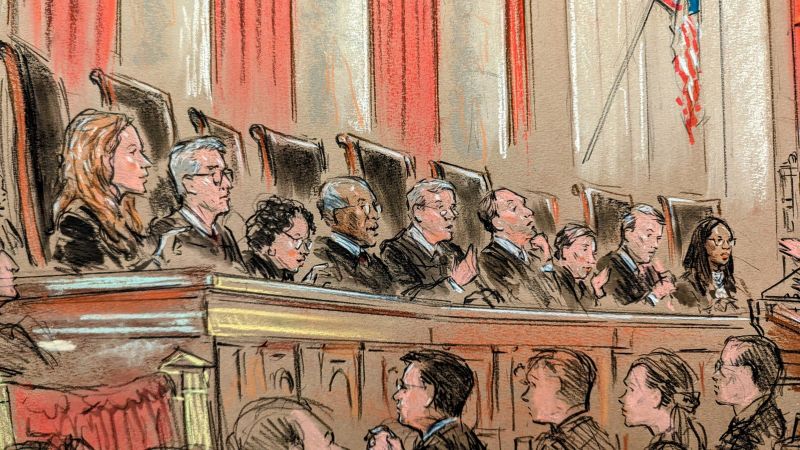
Oral arguments are taking forever Supreme – Supreme Court justices, known for their sharp legal acumen, are now openly voicing concerns about the elongated duration of oral arguments. This issue, which has simmered in private for years, has recently gained broader attention through public statements from several justices. Chief Justice John Roberts, during a recent gathering of legal professionals in Pennsylvania, lamented the “way too long” nature of these sessions, pledging to examine the matter over the summer. Justice Samuel Alito, following up in Texas, echoed similar sentiments, stating that the current format featured “too much speechifying” and “too little asking real questions,” according to SCOTUSblog.
Pandemic Shifts Redefine Courtroom Dynamics
The pandemic forced the Supreme Court to adopt virtual proceedings, altering traditional norms. Prior to the crisis, oral arguments were conducted in person, with justices engaging in a dynamic, unstructured “hot bench” style. However, when the court transitioned to remote hearings, a new system emerged where questions were asked in order of seniority, rather than through spontaneous dialogue. This shift, while efficient, sparked debate among justices who preferred the older format. Upon returning to physical courtrooms in 2021, the justices attempted to balance the two approaches, resulting in a hybrid model: an initial free-form discussion followed by a structured “seriatim” round of questioning. This compromise, however, has made it more challenging to adhere to the 60-minute time limits that were once strictly enforced.
Legal experts have long viewed oral arguments as a secondary component in shaping court decisions, but their value remains undeniable. These sessions provide a platform for justices to probe advocates’ theories, allowing for deeper exploration of case nuances. For the public, the debates—now livestreamed since the pandemic—offer a rare window into the judicial process. Yet, as the average length of arguments has steadily increased, the significance of these sessions has come under scrutiny. A CNN analysis revealed that the current term’s oral arguments averaged nearly 90 minutes, a 10-minute rise from the 2020 term, which was conducted remotely. This trend underscores a growing tension between tradition and modernity within the court’s operations.
Extended Debates May Favor Liberal Justices
The liberal wing of the court appears to be the most affected by this shift in format. In recent terms, these justices have spoken more frequently during arguments, often dominating the discourse. Notably, Justice Sonia Sotomayor and Justice Ketanji Brown Jackson have emerged as particularly vocal participants. According to an analysis by Empirical SCOTUS founder Adam Feldman and political science professor Jake Truscott, Sotomayor, the senior liberal justice, averaged over six minutes of speaking per session in the current term. This increased verbal output may influence the trajectory of decisions, particularly in cases with broad national implications.
While some justices are critical of the extended format, others have embraced it. Supreme Court attorneys, who monitor the time via color-coded lights on their podiums, have expressed appreciation for the additional time. They highlight the value of the “seriatim” round, which allows for uninterrupted, one-on-one exchanges with justices. Justice Clarence Thomas, who has historically been reserved during arguments, also voiced no objections. “The current approach may run a bit long, but you cannot say you have not had a chance to say your piece,” Thomas remarked at a conference in Miami. His comment was accompanied by a humorous aside: “I don’t play golf. I don’t play cards. I don’t hang out. So, I can sit there all day.”
The extended arguments have also highlighted the ideological divide within the court. With conservatives holding a six-justice supermajority, the liberal justices often find themselves in the minority. This dynamic may explain why they tend to speak more frequently, as their perspectives require more time to be fully articulated. The most notable example of this trend occurred during the extended session on Trump’s global tariffs, which lasted nearly three hours despite being scheduled for only 80 minutes. The case, involving two appeals, ultimately resulted in the court overturning the policy, suggesting that the extended debate may have played a pivotal role in shaping the outcome.
As the Supreme Court continues to navigate the balance between thorough deliberation and procedural efficiency, the debate over argument length remains a focal point. Justice Roberts’ public frustration signals a broader concern about the court’s legitimacy, as prolonged sessions risk alienating the public. Yet, for some justices, the extended time provides an opportunity to delve deeper into complex legal issues, fostering a more nuanced understanding of cases. The challenge now lies in determining whether these debates are enriching the judicial process or becoming a symbol of inefficiency in an institution long revered for its precision.
Public Perception and Judicial Reform
For the general public, the livestreamed debates offer a glimpse into the intellectual rigor of the nation’s highest court. However, the increased duration has raised questions about accessibility and engagement. While the justices argue that the extended sessions enhance transparency, critics argue that they may also obscure the clarity of legal reasoning. The issue has sparked discussions among legal scholars about potential reforms to streamline proceedings without sacrificing depth. Some suggest returning to a more rigid timekeeping system, while others advocate for maintaining the current format to allow for broader participation.
Ultimately, the length of oral arguments reflects a broader evolution in the court’s operations. As the justices adapt to new norms and technological advancements, their methods of communication have changed. The shift from pandemic-era virtual hearings to in-person sessions has reintroduced elements of spontaneity, but it has also led to a more formalized structure. Whether this format will endure or be revised in the coming years depends on the justices’ ability to reconcile their desire for thorough discussion with the need for efficiency. For now, the extended debates remain a defining feature of the court’s current term, shaping both legal outcomes and public perception of judicial process.
The challenge of balancing depth with brevity is a common thread in the justices’ critiques. While Roberts and Alito emphasize the need for tighter time limits, their fellow justices see value in the extended dialogue. This divergence underscores the complexity of the issue, as the court grapples with its role in a rapidly changing legal landscape. As the 2026 term progresses, the impact of these prolonged arguments will continue to be a topic of discussion, influencing how the public perceives the court’s work and its commitment to justice.
