
Bomb attack near railway station in southwest Pakistan kills at least 23
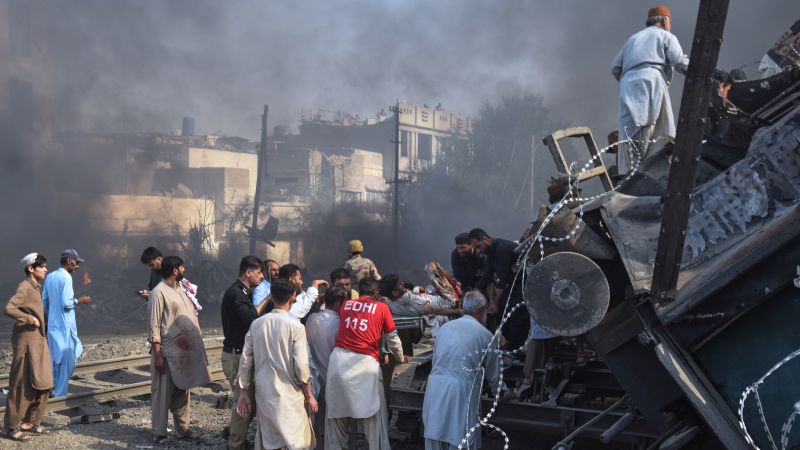
Suicide Blast Near Quetta Railway Station Leaves 23 Dead, 71 Injured
Bomb attack near railway station in southwest – A deadly explosion occurred near a railway station in Quetta, Pakistan’s southwestern city, on May 24, 2026, during a train’s passage. The incident, attributed to the Baloch Liberation Army (BLA), a militant group fighting for independence from Islamabad, resulted in at least 23 fatalities and 71 injuries. Emergency services are still working to extract survivors and secure the area, as the scale of the disaster continues to unfold.
Casualties and Rescue Efforts
The blast, initially suspected to be a suicide attack, has left a trail of devastation across the station. Rescue teams, including bomb disposal units, are actively assessing the damage and clearing debris. Emergency worker Muhammad Zeeshan described the scene as chaotic, stating that operations to recover victims and transport the wounded are in full swing. “I was right there near the tracks. I can’t even believe how we survived,” recounted a bystander, quoted by Reuters. “The blast was so huge. Thank God, we made it out alive.”
Authorities have sealed off the area around the station to prevent further casualties and conduct a thorough investigation. Preliminary reports indicate that the explosion was executed by an individual detonating explosives, though definitive details remain under scrutiny. At least 23 bodies have been recovered from the site, while 71 injured passengers are being treated in Quetta’s hospitals. An emergency has been declared at local medical facilities, as they prepare for an influx of patients.
Government Response and Political Statements
Prime Minister Shehbaz Sharif condemned the attack as a “heinous bomb explosion,” vowing to hold perpetrators accountable. In a tweet on X, he emphasized that such cowardly acts of terrorism would not shake the nation’s resolve. Meanwhile, Interior Minister Mohsin Naqvi visited the city to coordinate the response. During a meeting with the chief minister of Balochistan, he expressed solidarity with the affected population, calling the attackers “beasts who targeted innocent civilians with extreme brutality.”
The provincial government has prioritized the situation, deploying additional security personnel to patrol the area. Qambrani, the Deputy Superintendent Police (City), warned that the casualty toll could climb further, with estimates suggesting over 100 individuals may have been impacted. He noted that while the initial numbers are confirmed, ongoing rescue operations could reveal more victims in the coming hours.
Context of Violence in Balochistan
Balochistan, a province rich in oil and minerals, has been a hotspot for separatist violence for years. The BLA, which has been linked to several major attacks, remains a key player in this conflict. Its actions often target public infrastructure, such as railways, to disrupt daily life and provoke fear. The May 24 incident follows a pattern of similar attacks in the region, highlighting the persistent threat posed by militant groups.
Historically, the province has seen frequent clashes between security forces and separatist factions. The BLA has previously claimed responsibility for attacks that killed dozens, including a major bombing in February 2026. According to reports, those attacks, which combined suicide operations and gunfights, led to the deaths of at least 33 people. The group’s strategy of targeting transportation hubs underscores its aim to challenge the central government’s control over the region.
Ongoing Investigations and Security Measures
Police and intelligence agencies are working to determine the exact circumstances of the blast. Investigators are examining the blast site for clues, including the type of explosives used and the identity of the attacker. Bomb disposal teams are also on standby to neutralize any remaining threats. The area remains under strict security, with checkpoints set up to monitor movement and prevent further attacks.
Quetta, the capital of Balochistan, is a critical transportation hub, making it a prime target for militants seeking to destabilize the region. The attack occurred during peak hours, when the station was likely to be crowded with commuters. Officials are now urging residents to remain cautious and avoid the area until the investigation concludes. The incident has sparked renewed calls for increased security measures and improved coordination between provincial and federal authorities.
Local residents and officials have expressed shock over the scale of the attack. “It feels like the world has come to a standstill,” said a community leader. “People are scared to go out, and the sense of safety is fading.” The BLA’s actions have deepened tensions in the region, where separatist movements have long sought greater autonomy. Analysts suggest that the group’s strategy of using high-profile attacks is designed to undermine public confidence in the government and escalate conflict.
As the investigation progresses, questions remain about the motive behind the attack. While the BLA claims responsibility, there are also suspicions that other groups may have been involved. The government has reiterated its commitment to addressing the security situation, with officials vowing to dismantle militant networks and protect civilian lives. International partners have also been contacted to provide assistance in tracking the attackers and preventing future incidents.
Impact on Regional Stability
The attack has raised concerns about the safety of public transport in Balochistan. Trains are a vital link for the province’s population, and their disruption can have far-reaching economic and social consequences. With the region already grappling with unrest, the incident may intensify the struggle for control between the government and separatist groups. The BLA’s history of large-scale bombings, including this one, demonstrates its capacity to strike with precision and impact.
Residents of Quetta are now urging the government to take swift action. “We need more security here, not just for the station but for the entire city,” said a local business owner. “This wasn’t just an attack on a train—it was an attack on our way of life.” The disaster has also prompted a renewed focus on improving infrastructure and emergency response systems in the province. Authorities are reviewing protocols to ensure such tragedies are minimized in the future.
As the dust settles, the focus shifts to rebuilding and recovery. Hospitals in Quetta are overwhelmed, but efforts are underway to stabilize the injured and support their families. The government has announced financial aid packages for affected households, though the long-term effects of the attack on the province’s stability remain uncertain. For now, the BLA’s latest strike serves as a stark reminder of the ongoing challenges in Balochistan’s fight for independence.
