
Pentagon locked down and partially evacuated due to a false alarm by hazardous materials sensor, sources say
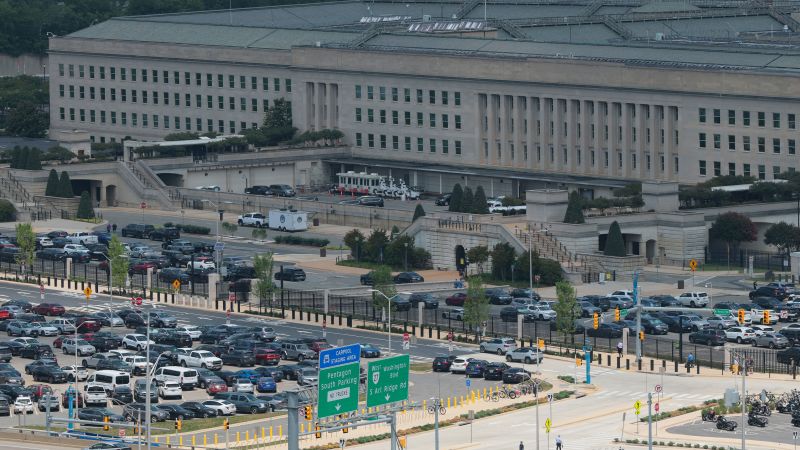
Pentagon Lockdown and Partial Evacuation Triggered by Sensor False Alarm
Pentagon locked down and partially evacuated – Following a false alarm, the Pentagon was locked down and partially evacuated as security teams responded to a potential hazardous materials threat. The incident, reported on Thursday, involved a malfunction in the building’s sensor system that prompted immediate action. While the alarm initially caused concern, it was later confirmed to be a false positive, leading to the resumption of normal operations. This event highlights the importance of rapid response protocols in high-security environments like the Pentagon.
False Alarm Origins and Immediate Actions
According to multiple sources, the sensor system at the Pentagon triggered the alert, raising alarms about a possible biological threat. The alarm was detected early in the morning, prompting staff and visitors to evacuate certain sections of the building. Pentagon spokesperson Sean Parnell stated that “normal operations have resumed” after the system was checked and deemed non-threatening. The precautionary measures included a shelter-in-place order and air quality tests to ensure safety for all occupants.
“The system identified an air quality issue, but subsequent testing confirmed no hazardous material was present,” Parnell explained. “We take these steps seriously to protect the integrity of our operations.”
Response Coordination and Personnel Safety
The Arlington County Fire Department was among the first to respond, working alongside the Pentagon Force Protection Agency’s hazmat teams. Capt. Jamie Jill confirmed that hazmat units were on-site to assess the situation, even though the alert was false. Personnel in affected areas, including floors two through five and corridors four to seven, were temporarily displaced as a safety measure. Some officers wore full protective gear, emphasizing the gravity of the initial response.
While the sensor’s false alarm was resolved quickly, it underscores the need for robust verification processes. Facilities like the Pentagon rely on continuous air monitoring systems to detect pathogens, such as anthrax. These systems are critical for ensuring occupant safety, though they can sometimes generate false positives due to technical issues.
Impact on Daily Operations and Building Layout
The lockdown primarily affected specific sections of the Pentagon, including the Navy’s public affairs office and the Secretary of the Army’s workspace. These areas, located on upper floors, were evacuated while other parts of the building remained operational. The central courtyard became a hub for emergency personnel, with multiple agencies coordinating their efforts. Despite the disruption, the incident did not escalate to a full-scale evacuation, demonstrating the effectiveness of the building’s emergency protocols.
Internal security directives outlined the steps taken during the alert, including the deployment of response teams and the initiation of safety checks. The process, which typically takes 1-2 hours, was executed efficiently, minimizing downtime. This level of preparedness ensures that even in the event of a real threat, the Pentagon can maintain its critical functions with minimal disruption.
Expert Insights on Sensor Reliability
Hayley Severance, a former senior advisor to the Defense Department on biological threats, noted that false alarms are common with advanced detection systems. “While these systems are essential for security, they can occasionally misfire, especially when technical glitches occur,” she said. The incident serves as a reminder of the balance between vigilance and the potential for overreaction in high-stakes environments.
Experts also highlighted the role of routine maintenance in preventing such incidents. “Regular calibration and system checks are crucial to ensure accuracy,” said Jake Jordan, who oversees biosecurity programs for the Nuclear Threat Initiative. “Even a single malfunction can have significant implications for large facilities like the Pentagon, but swift action mitigates risks effectively.”
