
‘Shooting ourselves in the foot’: Johnson’s growing crisis over his unruly majority
‘Shooting ourselves in the foot’: Johnson’s growing crisis over his unruly majority
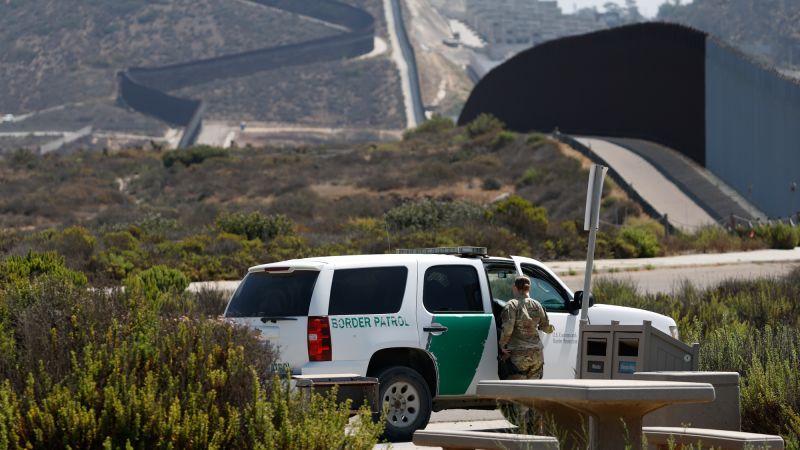
Shooting ourselves in the foot – Speaker Mike Johnson’s recent legislative triumph for President Donald Trump has been overshadowed by mounting discord within the House GOP. Just weeks after securing a major win with a border security bill, Johnson found himself embroiled in a confrontation with his own senior members, who expressed frustration over his handling of the agenda. The situation came to a head in mid-June as he faced pressure from a faction of hardline conservatives, led by Rep. Chip Roy, to finalize the bill before the July 4 recess. However, the speaker’s decision to delay the measure has triggered a wave of rebellion, leaving the chamber in disarray and forcing leadership to reassess its strategy.
Fractured Leadership and Legislative Stalemates
Johnson’s compromise to pass the border crackdown bill was met with resistance from his center-right allies. According to three individuals who attended the meeting, these influential Republicans warned that if Johnson proceeded with the measure, they would push for additional reforms—specifically, a list of immigration overhaul bills aimed at easing entry for certain groups. This internal conflict has contributed to the House GOP’s recent turmoil, as factions repeatedly block each other’s priorities and disrupt the legislative process.
“It’ll be on everything we do from now until the end of this Congress,” fumed House Armed Services Chairman Mike Rogers, whose defense policy bill was stalled by the hardliners’ floor tactics. “Leadership needs to give those attention divas a little attention. That’s all they’re asking for. That’s what they do repeatedly,” Rogers said.
Rogers’ frustration highlights the challenges Johnson faces in maintaining control. With a razor-thin majority, just a few defectors can derail key legislation, creating a precarious situation for the speaker. The recent floor fight, in which Johnson’s team lost ground by not advancing the border bill, has already forced the GOP to abandon its agenda and send members home early. This incident underscores the fragility of the leadership’s position and the growing risk of further gridlock as the party prepares for the November midterms.
Other Challenges to Johnson’s Agenda
While the border bill remains a central issue, Johnson also contends with a separate group of hardliners, including Rep. Anna Paulina Luna of Florida, who are holding back progress on other priorities. These members insist on passing Trump’s election overhaul bill before they will allow the House floor to function smoothly. However, under current procedural rules, the bill’s passage seems improbable due to the narrow GOP margins in Congress and quiet criticisms that Luna misinterprets procedural norms to advance her agenda.
Adding to the complexity, a pair of Ohio representatives have demanded a vote on a major pension shortfall affecting their constituents. This has created another layer of conflict, as leadership struggles to balance the competing demands of various factions. The situation reflects a broader pattern: while some Republicans advocate for bipartisan cooperation, others prioritize their own ideological goals, often at the expense of the party’s cohesion.
“We got a handful of people who are, I’ll call them double digit IQ strategists,” said Rep. Don Bacon of Nebraska, directing criticism at the hardliners who have blocked progress. “We’re shooting ourselves in the foot, it’s not helpful. You would think that the Democrats are telling them what to do, that’s how dumb it is.”
Bacon’s remarks illustrate the GOP’s internal debate over the effectiveness of Johnson’s leadership. Though the party has historically leaned right, its ability to pass must-pass legislation hinges on unity. With the midterms approaching, many Republicans fear that their political futures are tied to the speaker’s success in navigating these divisions. The border bill, once seen as a potential unifier, now symbolizes the fractures within the party.
Johnson’s allies remain optimistic, pointing to recent bipartisan achievements such as the housing and kids’ Internet safety bills as evidence of the party’s capacity for collaboration. Yet, major initiatives like the Pentagon policy bill and appropriations measures continue to stall, revealing the difficulty of balancing hardline demands with broader legislative needs. The speaker’s reliance on reconciliation to expedite Trump’s election overhaul bill is a risky move, one that could either consolidate support or deepen the rift between moderates and conservatives.
As tensions escalate, some Republicans acknowledge that Johnson’s challenges may be the most intractable. While immigration remains a key issue for the GOP, the border bill’s passage has become a litmus test for loyalty. The speaker’s growing crisis reflects a deeper struggle: maintaining control of a divided majority while keeping the legislative calendar moving. With Trump’s influence intensifying, Johnson faces pressure to deliver results before the party’s fate is decided in November. Yet, the threat of internal rebellion looms large, casting doubt on the GOP’s ability to govern effectively in the coming months.
Despite the challenges, most Republicans have shown no desire to replace Johnson or punish defectors at this juncture. They recognize that any loss of support could jeopardize the passage of essential bills, particularly in a year when the party needs every vote to maintain its majority. This reluctance to act decisively suggests a delicate balancing act between preserving unity and addressing the growing discontent among hardliners. As the midterms draw near, the question remains: can Johnson navigate these internal conflicts and secure the legislative victories needed to sustain his leadership?
The border crackdown bill, which was designed to strengthen US security at the southern border, has become a flashpoint for ideological clashes. While some members see it as a critical measure to protect the country, others argue that it lacks the comprehensive reforms necessary to address long-standing immigration issues. This debate has not only stalled the bill but also exposed the challenges of aligning diverse factions under a single agenda. For Johnson, the task is to convince both moderates and conservatives that his approach is the best path forward—without alienating either group.
As the House GOP grapples with its internal dynamics, the stakes have never been higher. The party’s ability to pass key legislation will determine its effectiveness in the upcoming election cycle, and Johnson’s leadership will be tested like never before. Whether he can maintain control of his majority or succumb to the pressures from within remains to be seen, but one thing is clear: the fight for legislative dominance has intensified, and the outcome could reshape the political landscape for years to come.
