
The Trump team’s worst predictions about the Iran war
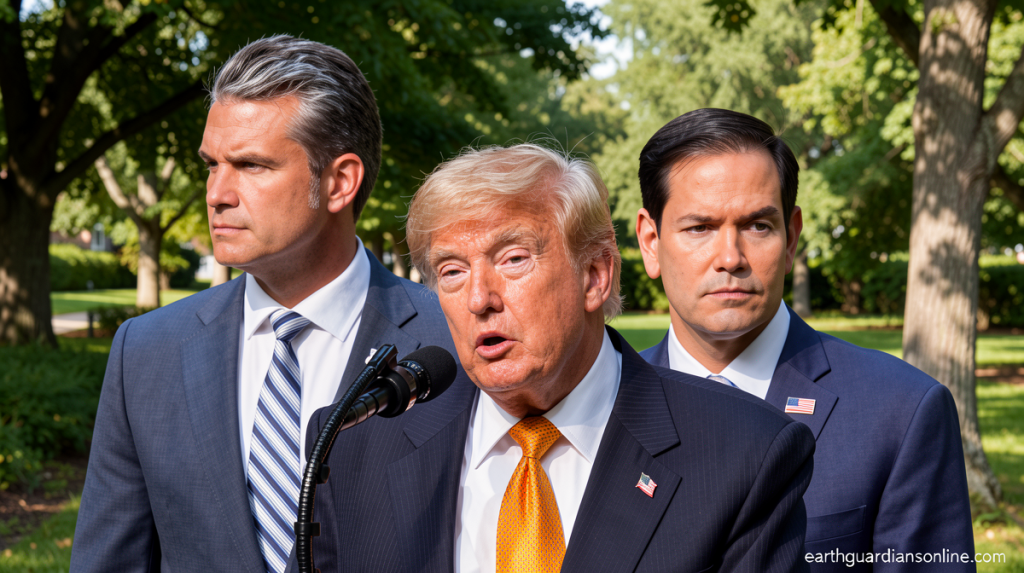
Assessing the Trump Administration’s Most Significant Miscalculations Regarding the Iranian Conflict
The Trump team s worst predictions – A particularly memorable assertion made regarding the conflict in Iraq came from Dick Cheney, who served as Vice President at the time. Just prior to hostilities commencing, he famously declared that American soldiers would be “greeted as liberators.” In subsequent years, this statement became synonymous not merely with unfulfilled commitments under the George W. Bush presidency, but also with a perceived lack of foresight concerning the military campaign initiated. It raises the question of how officials could so boldly forecast an outcome that proved entirely incorrect. Similarly, the current administration under Donald Trump has accumulated a series of notable missteps concerning the ongoing war with Iran.
In the span of roughly four and a half months, the president alongside his inner circle has issued numerous forecasts that collapsed under scrutiny. There appears to be a significant disconnect between the leadership’s understanding and the actual developments on the ground. While President Trump often draws attention for these errors, his advisors are equally responsible. Below is an examination of several key instances where expectations diverged sharply from reality.
The Strait of Hormuz Toll Controversy
On Monday, President Trump stunned international observers by declaring that the United States would assume the role of “guardian” over the Strait of Hormuz. He further proposed imposing a twenty percent fee on cargo passing through the waterway. This announcement directly contradicted earlier positions held by his own government regarding toll collection in the region. Internal discussions revealed a frantic effort to persuade the president to abandon the proposal.
“We’ve always said a tolling system in the strait would be unacceptable. But we don’t just say that; the world has said that,” Secretary of State Marco Rubio stated during May. He additionally noted that such a measure would be “completely illegal, by the way.”
Trump’s sudden declaration also implied that maintaining control over the passage would require a prolonged military commitment lasting several years. This suggestion appeared highly unrealistic given current resources. Indeed, within twenty-four hours, the president reversed his position entirely. The willingness to propose such a complex and costly initiative indicates a limited grasp of practical limitations. Reports from CNN indicated that senior advisors worked tirelessly to dissuade him from the plan.
Underestimating the War’s Duration
Another major error involved the projected timeline for the conflict. Early in the campaign, Trump consistently asserted that the fighting would conclude within “four to five weeks.” By May 1, more than two months into the engagement, he maintained that the situation “shouldn’t be too long.” However, with the conflict now extending beyond four and a half months and showing no signs of resolution, those initial estimates seem woefully inadequate.
While some early projections were vague, and the administration contends that the war paused during the recent ceasefire—which Trump has now terminated—officials initially envisioned a much shorter engagement. The persistence of hostilities challenges the narrative of a swift victory.
Shifting Views on Iranian Leadership
Following the agreement
