
Trump meets with national security officials as he weighs next steps on Iran
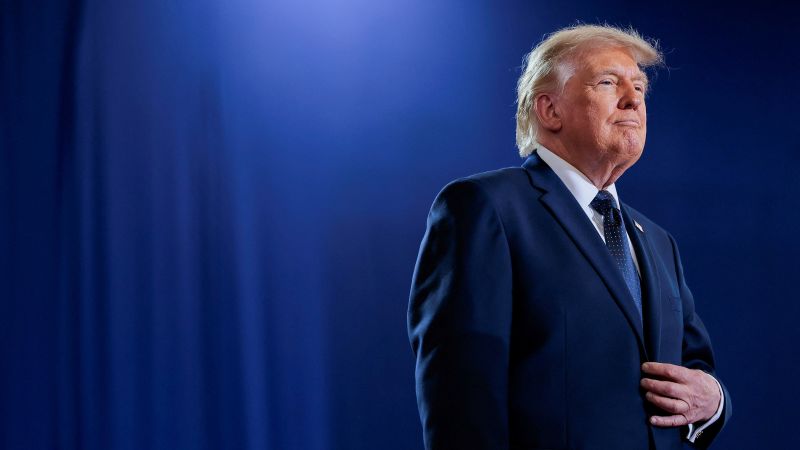
Trump Meets with National Security Officials as He Weighs Next Steps on Iran
Trump meets with national security officials – On Friday, President Donald Trump held a routine meeting with senior U.S. national security figures to assess potential moves regarding the ongoing conflict with Iran, a source close to the discussion revealed. The session, which took place at the White House, marked another step in the administration’s efforts to determine a strategy for resolving tensions with Tehran. However, the meeting concluded without a definitive resolution, leaving the future of the situation in limbo. Secretary of State Marco Rubio, speaking in India during a diplomatic trip, hinted at the possibility of breaking news later that day. “Even as I speak to you now, there’s some work being done,” Rubio stated, emphasizing the progress being made. “There is a chance that, whether it’s later today, tomorrow, or in a couple days, we may have something to say.”
Iranian Delegations Seek Diplomatic Breakthrough
Meanwhile, representatives from Qatar and Pakistan embarked on a mission to Tehran, aiming to facilitate a ceasefire and stabilize the situation. Iranian Foreign Ministry spokesperson Ismail Baghaei confirmed the visits, according to the state news agency IRNA. The diplomatic efforts included late-night discussions between Pakistan’s Army Chief, Asim Munir, and Iran’s Foreign Minister, Abbas Araghchi. These talks focused on curbing further escalation and exploring pathways to peace. IRNA reported on Saturday that Munir also met with Iran’s chief negotiator, Mohammad Ghalibaf, underscoring the urgency of the negotiations.
Iranian Officials Highlight Strategic Concerns
Speaking to Iranian state media, Ghalibaf criticized the U.S. approach to the conflict, asserting that Iran would not compromise its national interests. “We were in the middle of negotiations when America started the war, and now it says let’s negotiate to end it,” he remarked, referencing a ceasefire that had been brokered by Pakistan. “We were in a ceasefire that you (Munir) mediated, and America violated the agreement by imposing a naval blockade. Now it wants to lift it!” Ghalibaf added, expressing frustration over the inconsistency in American actions. He further warned that if Trump decided to reignite hostilities, the consequences would be even more severe for the U.S. than the initial phase of the conflict.
Qatar’s Foreign Minister, Mohammed bin Abdulrahman Al Thani, also weighed in on the situation during a phone call with Araghchi. According to a Qatari account of the conversation, Al Thani emphasized that Iran’s use of the Strait of Hormuz as a strategic tool would worsen the crisis, threatening the region’s economic stability. The strait, a critical maritime passage for global oil trade, has been a focal point of the negotiations, with the U.S. insisting on its unrestricted access. Rubio reiterated this stance, stating that Washington wants to ensure the strait remains open “without tolls” and that Iran must surrender its stockpiles of enriched uranium. “Iran can never have a nuclear weapon,” he declared, reinforcing the administration’s position.
Trump’s Focus on Immediate Action
Trump, who has expressed impatience with the pace of talks, was presented with options for escalating military operations. Earlier in the week, he indicated that he was on the verge of authorizing strikes but delayed the decision at the urging of Gulf nations. This hesitation reflects the delicate balance between military action and diplomatic outreach. On Friday, Trump canceled plans to travel to his New Jersey golf resort for the weekend and decided against attending his son’s wedding in the Bahamas. Instead, he chose to remain in Washington, citing “circumstances pertaining to Government, and my love for the United States of America” as the reason for his absence.
“I feel it is important for me to remain in Washington, D.C., at the White House during this important period of time,” Trump wrote on Truth Social, addressing his expected absence from the event. The president’s decision highlights the priority given to the Iran situation over personal commitments, signaling a shift in focus toward strategic maneuvering. While Trump had previously criticized the timing of the wedding, the current emphasis on the war with Iran underscores the administration’s determination to resolve the crisis swiftly.
Key players in the meeting included Vice President JD Vance and Defense Secretary Pete Hegseth, who joined Trump in deliberations. General Dan Caine, chairman of the Joint Chiefs of Staff, referenced the Oval Office session during his address at the U.S. Naval Academy in Annapolis, underscoring its significance. The discussions centered on the administration’s readiness to take decisive action if diplomatic channels failed. However, the lack of a clear outcome suggests that the path forward remains uncertain.
Sticking Points in the Talks
Despite the ongoing efforts, several critical issues remain unresolved, including the reopening of the Strait of Hormuz and Iran’s nuclear program. The U.S. intelligence community has reported that Iran is rapidly advancing its military industrial capabilities, with notable progress in drone production. This development has added pressure to the negotiations, as Washington seeks to prevent further Iranian advancements. Earlier this week, Trump set a loose deadline for Iran to present a satisfactory offer by early next week, indicating his willingness to act quickly if needed.
While some officials have expressed cautious optimism about the talks, the complexity of the issues at hand has made progress difficult. The Strait of Hormuz, a lifeline for oil exports, remains a contentious point, with Iran accusing the U.S. of imposing economic sanctions that hinder its ability to operate freely. In contrast, the U.S. argues that Iran’s control over the strait could lead to regional instability. Meanwhile, the nuclear program continues to be a flashpoint, with Iran insisting on its right to develop a nuclear capability under international agreements.
Broader Implications and Outlook
As the negotiations continue, the international community watches closely for any developments that could alter the trajectory of the conflict. The involvement of Qatar and Pakistan demonstrates the regional and global stakes, as these nations seek to mediate and prevent further escalation. However, the lack of a unified stance from all parties raises concerns about the effectiveness of the talks. Analysts suggest that the outcome will depend on whether Trump can secure a deal that addresses both military and economic concerns.
With the U.S. administration’s focus on a diplomatic solution, the pressure on Iran to compromise intensifies. Yet, the Iranian leadership has shown resolve, emphasizing their commitment to sovereignty and national interests. The next steps in the negotiations will likely hinge on how Trump balances his desire for a quick resolution with the need for a lasting agreement. As the situation evolves, the world awaits the results of these high-stakes discussions.
CNN’s Laura Sharman contributed to this report.
