
Spanish citizen evacuated from hantavirus-hit cruise ship tests positive
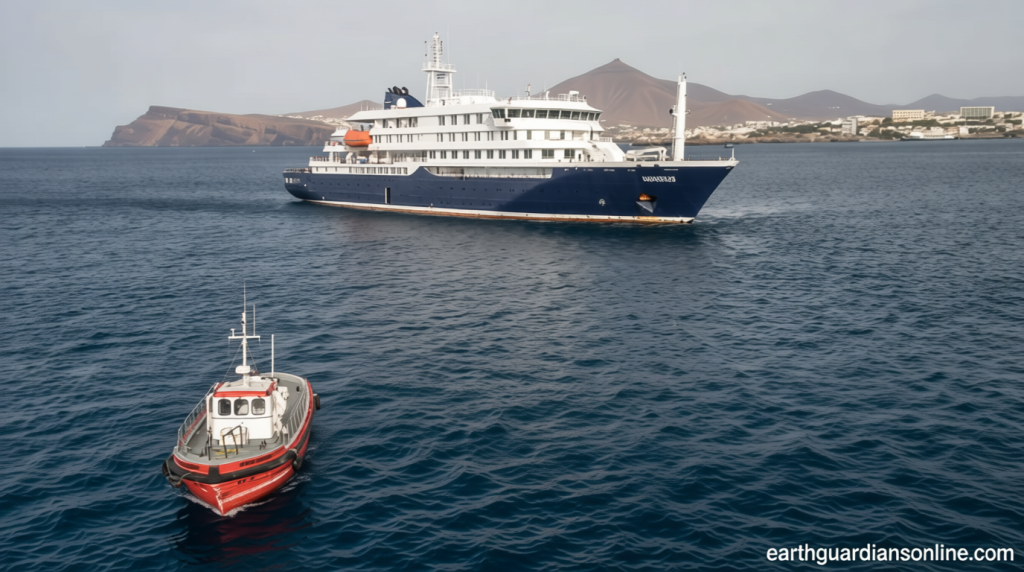
Hantavirus Outbreak on MV Hondius Sparks Concern as Second Spanish Case Confirmed
Spanish citizen evacuated from hantavirus hit cruise – Spain’s Ministry of Health announced on Monday that a Spanish citizen, who had been evacuated from the cruise ship MV Hondius and is currently isolating at a hospital in Madrid, has tested positive for hantavirus. This marks the second confirmed case among Spanish nationals on the vessel, with the patient being one of the 14 individuals from Spain who were aboard. The individual has been under quarantine at Gómez Ulla Central Defense Hospital since May 10, following their removal from the ship. Health officials noted that the patient was identified as a close contact through the epidemiological monitoring system implemented after the initial hantavirus outbreak was detected on the cruise.
Once the case was confirmed, the patient was relocated to the ship’s High-Level Isolation Unit (UATAN), where they will receive specialized medical care and observation. The health ministry emphasized that the detection of this case was made within the existing isolation and control protocols, which were established to manage the spread of the virus. This reassurance aims to stabilize public perception, as the outbreak has already prompted heightened vigilance among health authorities.
Following the deaths of three passengers after the MV Hondius departed from Argentina in April, health officials from multiple nations have been working swiftly to trace and contain the virus. Dozens of passengers disembarked from the ship at the remote South Atlantic island of Saint Helena in late April, while the remaining individuals, including the 14 Spaniards, left the vessel at Spain’s Canary Islands in May before being transported back to their home countries. Crew members later departed in the Netherlands, further complicating the spread of the disease across regions.
Tracking the Spread and Global Response
The virus, typically linked to rodents, has raised concerns about potential human-to-human transmission aboard the MV Hondius, as highlighted by the World Health Organization. While hantavirus is relatively rare, it can present symptoms similar to the flu, such as fatigue, fever, and chills, before progressing to more severe complications like organ failure or respiratory distress. Experts warn that the incubation period—ranging from three weeks to six weeks—creates a critical window for intervention, necessitating extended monitoring of exposed travelers.
According to Dr. Isaac Bogoch, an infectious disease specialist at the University of Toronto, the timeline for symptom development has created a window of opportunity for health officials to identify additional cases. “No one would be surprised if there are others that test positive this upcoming week,” he remarked last week, underscoring the ongoing risk. This statement aligns with the broader efforts of health authorities to track the outbreak, as the virus has already spread across international borders.
Quarantine measures are being enforced for at least 42 days from the date passengers disembarked, a period deemed sufficient to capture the maximum incubation window. However, the varying approaches among countries have sparked debates about the effectiveness of current protocols. While some nations have prioritized strict isolation, others have adopted more flexible measures, raising questions about consistency in managing the outbreak.
Understanding the Virus and Its Implications
Hantavirus, primarily carried by rodents, is known to cause a range of symptoms that can escalate rapidly. Initially resembling a mild flu, it may progress to severe respiratory or kidney failure, depending on the strain. The World Health Organization has noted the possibility of human-to-human transmission, though this remains less common than rodent-borne spread. This dual mode of transmission has increased the complexity of containment efforts, especially on a vessel where close quarters could facilitate person-to-person contact.
Experts emphasize that the virus’s delayed onset—up to six weeks after exposure—requires sustained monitoring. For instance, passengers who have been on the MV Hondius since early May are within the period when they are most likely to exhibit symptoms. This has led to calls for extended surveillance, as even a single undetected case could impact the overall trajectory of the outbreak. The virus’s potential to cause life-threatening conditions, including pulmonary syndrome and renal failure, has heightened the urgency of these measures.
Spain’s involvement in the outbreak underscores the need for international collaboration. While the country has implemented strict quarantine protocols, the movement of passengers to different locations complicates the coordination of efforts. Health officials from Argentina, Saint Helena, and the Canary Islands have all contributed to the containment strategy, sharing data and resources to mitigate the spread. The case of the Spanish patient highlights how the virus can affect individuals even after they are no longer on board, necessitating a global response.
Quarantine Protocols and Public Reassurance
In response to the outbreak, Spain’s health ministry has sought to maintain public confidence by stressing that the current measures are robust. The patient’s confirmation of hantavirus was made within the existing isolation framework, which was activated after the initial cases were identified. This indicates that the system is functioning as intended, though experts acknowledge that more cases could emerge in the coming days.
Dr. Bogoch’s remarks highlight the fluid nature of the outbreak and the importance of continued vigilance. While the Spanish case adds to the list of confirmed infections, the ministry assures that the risk to the general population remains unchanged. This is attributed to the early detection and rapid response, which have helped to limit the spread of the virus. However, the presence of human-to-human transmission has introduced new variables into the equation, requiring adjustments in how cases are managed.
The MV Hondius has become a focal point for global health authorities, with its journey serving as a case study in how viral outbreaks can cross international boundaries. The ship’s departure from Argentina in April marked the beginning of a chain of events that has led to the current situation. The movement of passengers to Saint Helena, the Canary Islands, and the Netherlands has created a network of potential hotspots, each requiring localized interventions to prevent further spread.
As the situation develops, health officials are working to refine their strategies. The 42-day monitoring period, while standard, may need to be extended depending on the number of new cases. Additionally, the identification of close contacts has become a critical component of containment, with epidemiological tracing playing a pivotal role in isolating affected individuals and preventing community transmission.
Conclusion and Ongoing Developments
The hantavirus outbreak on the MV Hondius continues to evolve, with health authorities adapting their approach as new cases emerge. The confirmation of the second Spanish patient’s infection underscores the effectiveness of the quarantine system but also highlights the need for vigilance. With the virus’s incubation period and potential for severe complications, the focus remains on minimizing risk while ensuring that all passengers and crew are accounted for.
As the global health community watches the situation closely, the role of international cooperation cannot be overstated. The shared responsibility of monitoring and containing the virus has been critical in preventing it from becoming a larger crisis. For now, the health ministry’s reassurance that the outbreak is under control offers a sense of stability, though the possibility of more cases remains a concern. This is a developing story, and updates will be provided as new information becomes available.
