
Trump’s Iran envoys face scrutiny as diplomacy stalls
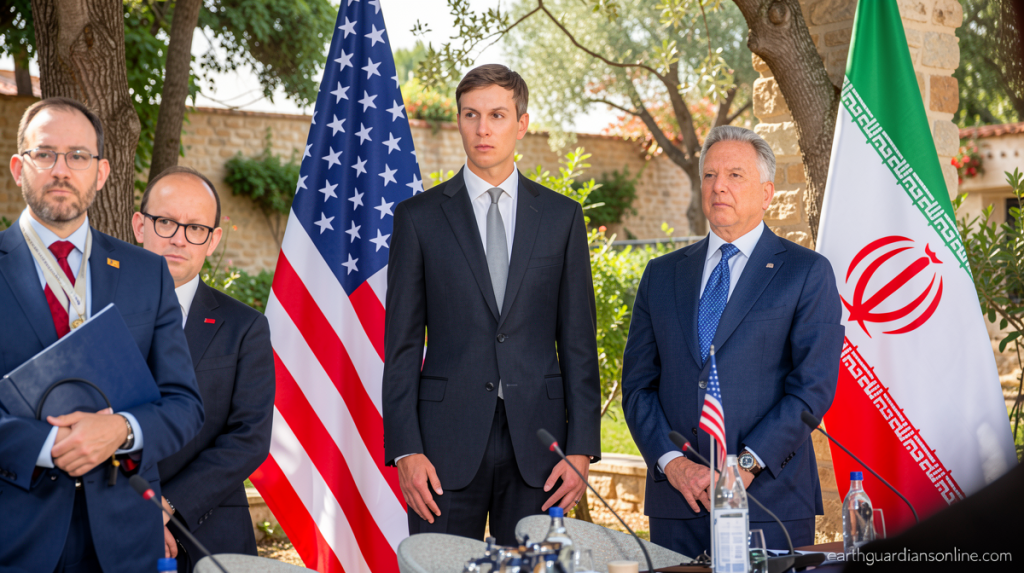
Iran Envoys Under Fire as Diplomatic Effort Stumbles
A Fragile Agreement Tested by Escalating Tensions
Trump s Iran envoys face scrutiny – Following President Donald Trump’s signature on a memorandum of understanding with Iran, Jared Kushner and Steve Witkoff immediately began reaching out to Republican lawmakers who expressed doubt about the agreement. The two envoys, who have been conducting backchannel negotiations for months, sought to address concerns about the 14-point document’s ambiguous language and what concessions might have been extended to Tehran. According to sources familiar with the matter, the terms were sufficiently open-ended to generate considerable debate throughout Washington about the precise commitments the president had made.
During their phone briefing, Witkoff highlighted a recent clandestine visit to the Oak Ridge nuclear facility, where he and Kushner consulted with technical specialists. Witkoff indicated that several of these experts were prepared to participate in the upcoming negotiations. He also conveyed confidence that discussions regarding what he termed “the toughest issue”—Iran’s nuclear capabilities—would commence without delay. However, three weeks into the process, technical conversations have barely gotten underway, and the entire framework appears to be unraveling.
Hostilities Threaten the Diplomatic Window
Since the memorandum’s execution, various incidents have tested the agreement’s resilience. The most recent escalation involves Iran’s attack on vessels navigating the Strait of Hormuz, prompting American military retaliation. Tehran has pledged countermeasures, and on Wednesday, the United States conducted additional strikes following Trump’s public announcement of his intention to respond. Speaking at the NATO summit in Ankara, the president expressed uncertainty about pursuing further negotiations, stating, “I’m not sure I want to make a deal with them,” while simultaneously suggesting that renewed conflict was unlikely.
“The MOU didn’t actually resolve anything,” said Nate Swanson, a former career State Department official who spent a decade as a senior adviser on Iran policy to successive administrations and worked on the Iran negotiations in spring 2025.
The widening gap between the administration’s objectives—including the removal of enriched nuclear material—and the realistic prospects for achieving them within the 60-day timeframe has intensified scrutiny of the diplomatic team. Critics question whether Kushner, Witkoff, and Vice President JD Vance may have exaggerated the progress achieved during the initial phase of negotiations, particularly as oil prices climbed and domestic pressure mounted to conclude hostilities.
Expert Analysis Points to Structural Weaknesses
Richard Nephew, who served as director for Iran at the National Security Council between 2011 and 2013, predicted that such complications would emerge. He attributed the problems to both misinterpretations of the agreement’s provisions and the failure to address fundamental issues. Nephew suggested that the memorandum might have actually exacerbated tensions, particularly concerning the Strait of Hormuz, despite the administration’s insistence that Iran should not control this vital maritime corridor.
“You could even argue the MOU made things worse,” Nephew added, particularly on the Strait of Hormuz.
Swanson emphasized that the focus remains too heavily on a comprehensive Phase 2 agreement when the immediate priority should be establishing clear mechanisms for managing the strait. He acknowledged uncertainty regarding responsibility for this oversight, noting that the error could lie with Vance, Witkoff, Kushner, or Trump. Nephew placed particular blame on the negotiating team’s relative inexperience.
The Role of Career Officials in Question
Throughout their diplomatic efforts, Kushner and Witkoff have maintained a close-knit advisory circle dominated by political appointees. This approach reflects a broader pattern within the Trump administration of skepticism toward career civil servants. Multiple former American officials have indicated that many government employees possessing critical expertise—particularly those specializing in nuclear matters—were consulted sporadically during the months preceding the memorandum’s signing. These experts were not meaningfully integrated into the early decision-making framework or the broader diplomatic strategy orchestrated by the envoys.
Furthermore, numerous career officials have departed from government service during this period. This exodus has potentially weakened the institutional knowledge available to support complex negotiations. The reliance on political appointees, while consistent with the administration’s preferences, may have contributed to the vague language and unresolved issues that now threaten the agreement’s viability. As tensions continue to escalate, the question of whether the diplomatic team possessed the necessary expertise to navigate such a challenging situation remains central to the ongoing debate about the memorandum’s effectiveness and future prospects.
