
Trump’s original sin on the economy
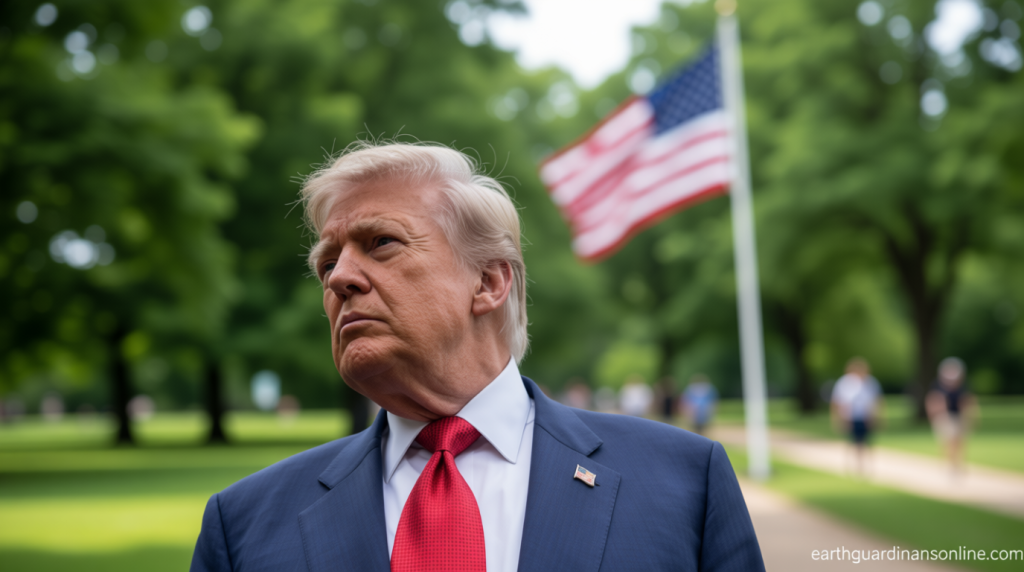
Trump’s Key Challenge on the Economy
Trump s original sin on the economy – Amid a politically divided landscape, a striking consensus has emerged among Americans: 70% of the population now holds a negative view of President Donald Trump’s economic stewardship, as revealed by a recent CNN poll. This figure marks a dramatic shift, especially when compared to his first term, where his disapproval rating on economic matters never exceeded 50%. The current sentiment is not only significant but also unexpected, reflecting a deepening skepticism about his policies and their impact on the nation’s financial health.
A Shift in Public Perception
Trump’s economic disapproval has reached its highest point in his presidency, with 30% of Americans approving of his handling of the economy and 70% disapproving. This results in a net disapproval rating of -40, a stark contrast to the optimism that once surrounded his administration. While Democrats overwhelmingly criticize his economic policies, even a notable portion of Republicans and independents now align with the majority in expressing dissatisfaction.
Trump’s economic policies, particularly his aggressive tariff strategy and the Iran war, have become focal points of this decline. The data underscores that these initiatives coincided with sharp increases in public disapproval, suggesting a direct link between his actions and the current economic sentiment. The tariffs, introduced under the banner of “Liberation Day,” initially drew criticism, but the Iran conflict has further intensified the backlash. Together, these events have transformed Trump’s economic narrative, shifting from one of strength to one of vulnerability.
The Timeline of Disapproval
The erosion of Trump’s economic credibility followed a clear trajectory. His disapproval rating surged from 56% in March 2025 to 61% in April 2025 following the announcement of the global tariff plan. This spike was mirrored by a rise in the percentage of Americans attributing worsening economic conditions to his policies, which climbed from 51% before the tariff rollout to 59% afterward. The Iran war, launched in late February, exacerbated this trend, pushing his disapproval to 69% by March 2025 and maintaining that level in the latest poll.
The impact of these events is further amplified by the alignment of public opinion. Just three months into his second term, a significant portion of Americans—60%—blamed Trump for current economic struggles, a sharp increase from the mid-40% seen during his first term and Obama’s presidency. This shift highlights how the tariffs and Iran conflict have become pivotal in shaping perceptions, with the former establishing a baseline of criticism and the latter deepening it.
Blame and Political Dynamics
What makes this disapproval particularly notable is its breadth across political lines. While Democrats remain the most critical, with 97% disapproving, a substantial 79% of independents and 30% of Republicans also express dissatisfaction. This is especially striking for Republicans, who traditionally support the president. The data reveals that the percentage of Republicans attributing economic harm to Trump doubled after both the tariff announcement and the Iran war began—rising from 10% to 22% and then to 27%, respectively.
Historically, partisans tend to attribute economic challenges to external factors or the previous administration. However, Trump’s policies have created a unique scenario where even his allies are forced to confront the direct consequences of his decisions. The Iran war, for instance, has made it impossible to separate the president’s actions from the economic fallout. Gas prices, which have skyrocketed over the past two and a half months, are cited as a direct result of this conflict, linking Trump’s leadership to tangible financial pain.
Similarly, the tariffs introduced in 2025 provided a clear target for public frustration. Prior to their implementation, only 40% of Americans believed the current economic conditions were primarily due to Trump’s policies, according to NPR-PBS-Marist College polling. This number, however, rose to 60% within Trump’s second term, underscoring how his actions have become central to the economic narrative. The shift is indicative of a broader trend where Trump’s policies are seen as the primary driver of inflation, stagnant job growth, and rising living costs.
Exacerbating a Shaky Economy
Trump’s economic missteps have not only led to disapproval but also to the perception that his policies actively worsened the situation. A majority of Americans, 65%, believe his tariff policies have had a negative impact on their personal finances, while 75% see the Iran war as a factor in increased living expenses. These figures, combined with the 77% who claim his policies have raised the cost of living, paint a picture of a president whose decisions are increasingly viewed as detrimental to economic stability.
The irony lies in the fact that Trump’s first term was marked by strong economic performance, which he leveraged to bolster his political standing. But the current era reveals a different story—one of strategic miscalculations and a failure to anticipate the ripple effects of his policies. His tariffs, initially framed as a tool to protect domestic industries, instead triggered inflationary pressures and global tensions. The Iran war, while intended to showcase strength, has led to energy price hikes and economic uncertainty, further eroding public confidence.
As the disapproval numbers climb, they reflect a growing sense that Trump’s policies are the root cause of economic distress, rather than a symptom of broader challenges. This shift is not just about policy outcomes but also about the president’s ability to manage expectations and maintain trust. The CNN poll’s findings suggest that even in the face of external factors, Trump’s decisions have become the primary focus of economic blame.
The ramifications of this trend are profound. Trump’s economic disapproval now surpasses that of past presidents, including Joe Biden and Barack Obama, signaling a potential long-term impact on his political viability. With the public increasingly associating economic hardship with his leadership, the president faces a formidable challenge in reversing the narrative. The data indicates that without the tariffs or the Iran conflict, his economic standing might have remained stronger, but these events have left an indelible mark on public perception.
As the economic landscape continues to evolve, the focus on Trump’s policies remains central. The combination of tariffs and the Iran war has created a situation where even those who once supported him are questioning his ability to steer the economy effectively. This transformation from economic hero to critic highlights the delicate balance between policy and public sentiment, and how a single misstep can alter the trajectory of a presidency. The CNN poll serves as a stark reminder that in today’s political climate, economic performance is not just a backdrop but a defining factor in presidential evaluation.
