
‘We just need someone who’s not crazy’: How the White House decided on Erica Schwartz for CDC director
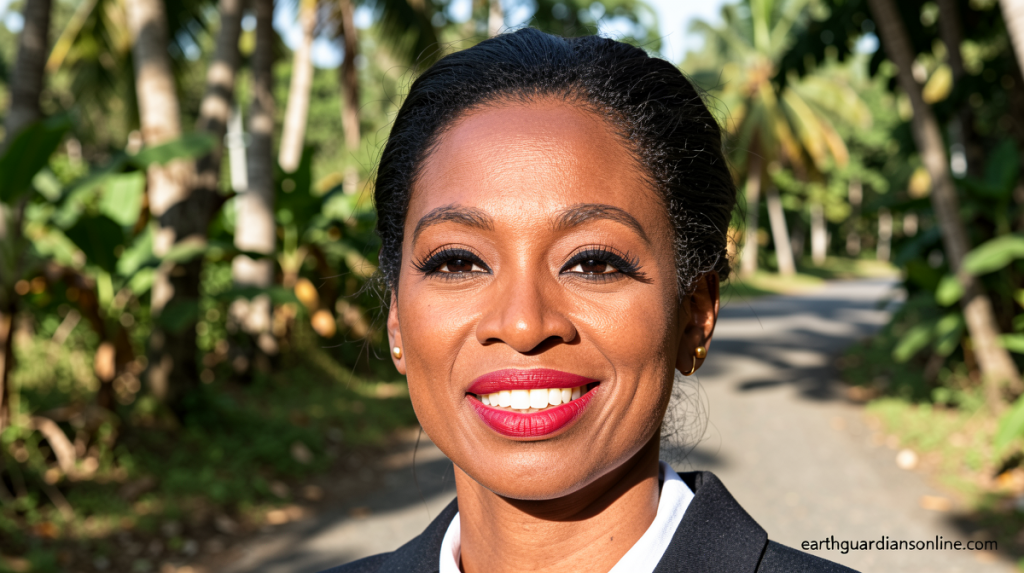
White House Seeks Stability with Schwartz CDC Nomination
We just need someone who s not – After twelve months marked by turbulence, the United States Centers for Disease Control and Prevention has endured a devastating shooting incident, sudden shifts in leadership, and considerable damage to its reputation as an internationally recognized public health institution. When the Trump administration began searching for a replacement director, one particular criterion emerged above all others. According to a White House representative speaking with CNN during the extended selection process, the primary goal was simple: “We just need someone who’s not crazy.” This sentiment ultimately led to President Trump selecting Erica Schwartz, a retired Coast Guard officer and former deputy surgeon general, for the position in April.
Confirmation Hearing and Broader Context
Schwartz, representing Trump’s third attempt to fill the CDC leadership role, will appear before the Senate Health, Education, Labor and Pensions Committee on Wednesday for her confirmation proceedings. She will testify together with Sean Kaufman, who has been nominated by the president to serve as Assistant Secretary of Preparedness and Response. According to senior health officials and others knowledgeable about the selection process, Schwartz’s appointment was designed to restore order to an agency experiencing nearly continuous disruption that had severely weakened employee morale and undermined public confidence in the administration’s health priorities.
The urgency for capable CDC leadership has grown even more pronounced in recent months. The public health organization has been managing disease challenges simultaneously across several regions, offering assistance for an Ebola situation in central Africa while working urgently to control a surge in parasitic intestinal illness affecting numerous states.
A Different Approach to Public Health
Schwartz represents a significant shift from previous candidates the administration considered, many of whom aligned closely with the “Make America Healthy Again” movement. She possesses an extensive history of directing vaccination initiatives and managing crisis situations for federal government operations. This background stands in sharp contrast to Trump’s initial CDC choice, whose nomination was ultimately withdrawn after it became evident that his skepticism regarding vaccines would create obstacles to securing confirmation.
Her candidacy has already received positive feedback from lawmakers, creating optimism within the administration that she will achieve swift approval. As the White House increases attention on upcoming midterm elections, this decision signals another indication of how substantially Trump’s team has worked to constrain the Health and Human Services Department under Robert F. Kennedy Jr., which previously possessed considerable freedom to advance controversial initiatives targeting vaccines and fundamental health policies.
“She’s a good and well-qualified nominee, and would be in any administration. However, the issue is not her qualifications — it’s the environment that she’s being asked to work in,” said Dr. Amesh Adalja, a senior scholar at the Johns Hopkins Center for Health Security and spokesperson for the Infectious Diseases Society of America.
“If this is supposed to be some kind of pivot away from what’s been going on for the last year, it will all be window dressing if RFK Jr. is still in place.”
The appointment has already unsettled supporters of the MAHA movement while leaving certain mainstream public health professionals uncertain. Meanwhile, Toby Rogers, a well-known vaccine skeptic, stated on X that Schwartz’s selection would represent “a slap in the face to the medical freedom base that gave Trump the presidency in 2016 and 2024.” He further remarked, “The White House isn’t even trying to win the midterms at this point.”
The White House declined to provide comment when contacted for this report. Administration officials have been keen to distance the health department from negative coverage during the midterm election period, which could potentially cost Republicans their congressional majority and impede President Trump’s legislative objectives. Vaccines have remained a particular challenge throughout this process.
Trump previously withdrew his first nominee, former congressman Dr. Dave Weldon, when his positions on vaccines threatened to delay confirmation. The CDC director who eventually received confirmation, Dr. Susan Monarez—a scientist and experienced public health professional—quickly found herself at odds with Kennedy over vaccine strategies and his attempts to remove certain senior CDC administrators. She departed the position in less than a month. Following Monarez’s prominent exit last August, certain Trump officials wondered whether pursuing another nominee was worthwhile. Kennedy appointed his then-deputy secretary, Jim O’Neill, as interim leader and attempted to centralize authority within the department’s political leadership in Washington. However, senior White House and HHS representatives eventually became dissatisfied with O’Neill, who seldom visited the CDC’s Atlanta headquarters and was viewed by political appointees as an inadequate public communicator.
