
What we know about the UFC fight at the White House
What We Know About the UFC Fight at the White House
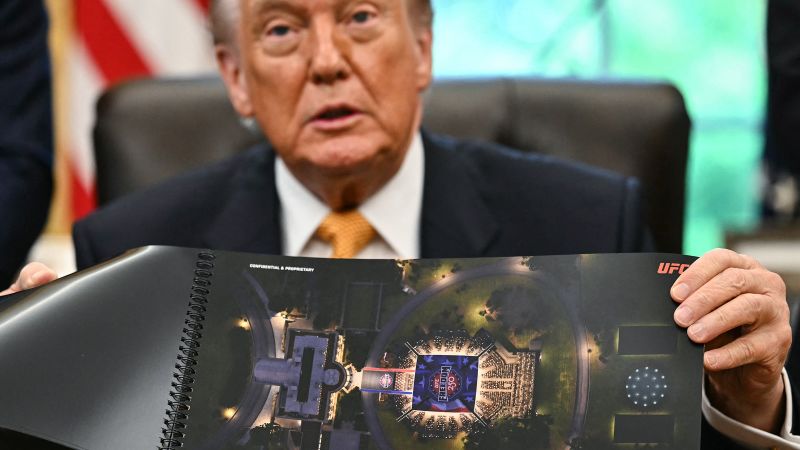
What we know about the UFC fight – The White House South Lawn, a historic stage for presidential ceremonies and public gatherings, is set to host an unexpected event: a high-stakes UFC fight. Scheduled for June 14, the event marks a unique fusion of politics and combat sports, drawing widespread attention as construction crews prepare the site. This ambitious undertaking, spearheaded by President Donald Trump, has transformed the iconic lawn into a temporary arena, complete with a massive lighting structure that dominates the skyline.
Origins of the White House UFC Event
Trump first floated the idea of hosting a UFC match at the White House in July 2025 during a campaign stop in Iowa. At the time, the proposal seemed more like a campaign gimmick, with Trump teasing the concept as part of a series of events to commemorate America’s 250th anniversary. “We’re going to have a UFC fight — think of this — on the grounds of the White House,” he remarked, sparking curiosity among political analysts and fans alike. However, the idea has since evolved from a playful suggestion into a fully realized spectacle, with details about the venue and logistics becoming increasingly concrete.
“It’s a lighting grid that almost looks like a spaceship, and it goes over the Octagon,” said Dana White, CEO of the Ultimate Fighting Championship, describing the massive structure known as “The Claw.”
Construction on “The Claw” began in late May, with the framework becoming visible over the White House briefing room. The structure, a temporary arched lighting grid, is designed to illuminate the fight cage, which will be erected on the South Lawn. White revealed the grid was shipped from Belgium, assembled in Philadelphia, and then transported to Washington, D.C., for the event. The setup reflects the UFC’s commitment to creating a state-of-the-art environment for the June 14 showdown, which promises to be a landmark moment for the organization.
Event Lineup and Public Participation
The UFC Freedom 250 event features a star-studded lineup of fighters, with eight American athletes competing in key bouts. The main events include a lightweight title clash between Justin Gaethje and Ilia Topuria, as well as a heavyweight interim title match between Alex Pereira and Ciryl Gane. These matchups, along with a ceremonial weigh-in and a Zac Brown Band concert, are part of a broader schedule that aims to engage audiences through multiple experiences.
Public attendance is a central focus of the event, with over 90,000 tickets allocated for the general audience. A White House official confirmed that a third of the tickets are reserved for military personnel and their families, another third for White House staff and their loved ones, and the remaining portion for VIP guests. Additionally, UFC has set aside 200 tickets specifically for the South Lawn, where the fight will take place. The organization has emphasized that all events are free, but ticket requests closed on May 22, leaving many eager fans disappointed.
First Lady Melania Trump is expected to join the festivities, underscoring the event’s significance as a family affair. Trump has also invited a mix of celebrities and athletes, including Tom Brady, Dwayne “The Rock” Johnson, Jared Leto, Guy Ritchie, Adam Sandler, Mario Lopez, and Jason Statham. These high-profile guests will add to the event’s appeal, drawing media coverage and public interest from across the nation.
Logistics and Military Involvement
Organizing the fight required meticulous planning, particularly given its outdoor nature. A White House official noted that weather conditions will play a critical role in the event’s success. While the White House team hopes for clear skies, they have partnered with Pentagon officials to monitor forecasts hourly and adjust plans as needed. “If it rains, we’re going to have to make changes,” the official said, highlighting the stakes of ensuring the fight’s smooth execution.
Trump has expressed some reservations about outdoor events, citing their unpredictability. However, he has assured that the team will work closely with the military to manage potential challenges. The process includes selecting service members based on body composition standards, as outlined in guidance memos reviewed by CNN. This requirement ensures that attendees are physically prepared to withstand the elements, adding a layer of logistical rigor to the event.
Cost and Brand Strategy
Despite the estimated $60 million price tag, the UFC has stated that the organization will cover all expenses. In a January interview with Sports Business Journal, Trump noted, “We’re eating the whole thing,” emphasizing the event’s role as a high-profile investment. Mark Shapiro, president of TKO Holdings Group, which owns UFC, echoed this sentiment, calling the venue a valuable opportunity for brand exposure. “The earned media and attention surrounding the massive event make it worthwhile,” he added, pointing to the potential for increased visibility and fan engagement.
Trump’s decision to host the fight at the White House also serves as a platform to showcase the UFC’s global reach and cultural impact. The event’s timing—coinciding with Flag Day and Trump’s 80th birthday—adds symbolic weight, positioning the UFC as a modern celebration of American heritage and athletic excellence. While some critics questioned the practicality of such an event, the White House’s support has validated the endeavor, turning a once-ridiculous idea into a meticulously planned spectacle.
Historical Context and Public Reception
The White House, known for its role as a symbol of national leadership, is not the first venue to host a UFC event. However, the scale and location of this particular matchup make it unprecedented. The South Lawn, typically reserved for presidential speeches and state functions, will transform into a battleground for elite fighters, blending the world of combat sports with the nation’s political heart. This unique setting has already generated buzz, with reports indicating that the event is drawing significant interest from both the public and the media.
While the idea initially seemed like a far-fetched campaign stunt, the reality of the setup now highlights its ambition. The construction of “The Claw” has become a visible feature in the capital, with its massive structure looming over the White House briefing room. Reporters and spectators alike have taken note, with some describing the grid as a “space-age” addition to the presidential grounds. The event’s logistics, from the transport of equipment to the coordination of ticket distribution, reflect a seamless integration of political and athletic elements.
As the June 14 date approaches, the White House has become a focal point for fans of the UFC and political observers. The event’s success will depend on its ability to balance the demands of a high-profile fight with the expectations of a national audience. Trump’s vision of merging the two worlds has already captured the imagination of many, with the fight serving as both a sporting spectacle and a statement of national pride. Whether it’s a triumph or a spectacle of its own, the UFC Freedom 250 promises to leave a lasting impression on the White House’s legacy as a multifaceted symbol of American life.
Legacy and Impact
From the outset, Trump’s proposal was met with skepticism, but the execution of the event has turned doubt into anticipation. The South Lawn, once a quiet space for official business, now buzzes with the energy of a global brand. The UFC’s involvement has not only elevated the White House’s profile but also demonstrated the power of celebrity influence in shaping public events. As the fight card is finalized and tickets sell out, the stage is set for a moment that will be remembered as a bold intersection of politics and sport. The event’s blend of entertainment, history, and high-stakes competition ensures that it will remain a topic of conversation long after the final bell rings.
