
A judge ruled Brendan Sorsby can play for Texas Tech after gambling on his own teams. It’s the latest college sports stunner
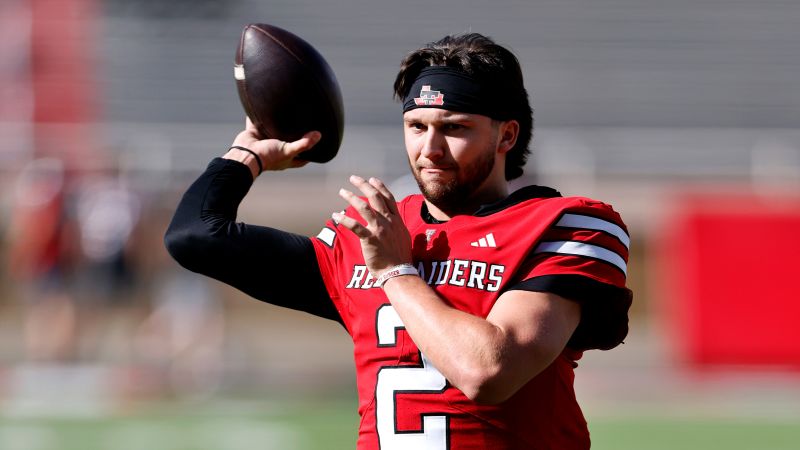
A Judge Rules Brendan Sorsby Can Play for Texas Tech Amid Gambling Scandal
A judge ruled Brendan Sorsby can play – In a stunning turn of events, a Texas judge has issued a temporary injunction permitting Brendan Sorsby, the quarterback for Texas Tech, to return to the field. This decision comes as a response to his past violations of NCAA rules, which included placing over $90,000 in bets on sports while playing for his own team. The ruling underscores a growing tension between college sports and the influence of gambling, casting a spotlight on the complexities of enforcement and the consequences of betting habits.
The Broader Landscape of Sports Betting and Corruption
For much of the past six months, the intersection of sports betting and athlete misconduct has captivated headlines. In October, federal authorities launched a sweeping probe into NBA point-shaving schemes, linking them to organized crime networks. Recently, federal prosecutors revealed in an unsealed indictment that Terry Rozier, a player implicated in the investigation, accepted $100,000 to intentionally underperform in a game, allowing gamblers to profit from a predetermined outcome. These revelations have intensified scrutiny on college sports, where similar patterns of corruption have been emerging.
Since January, over two dozen college basketball players have been permanently banned for their roles in game-fixing. The most recent case involved four athletes from Alabama State, who were deemed ineligible for their actions. Many of these players were drawn into the scheme by career criminals, some of whom had previously been indicted for more severe offenses, including murder. The allure of quick money has proved irresistible, even to those who might not have considered themselves at risk.
Brendan Sorsby’s Case: A Controversial Decision
Brendan Sorsby’s situation is unique. While he admitted to betting on sports during high school, his addiction deepened during his college years. By the end of his freshman season, he described himself as “truly” addicted, placing wagers on obscure leagues like the Turkish men’s basketball circuit. His gambling habits extended to his time at Indiana and Cincinnati, where he bet on his own team and even on opposing players to “overachieve” in matchups against the Hoosiers.
“Whatever the reason for his behavior, he broke the rules and should receive an exception that no other athlete, in history, has ever received,” the NCAA stated in a formal declaration.
Despite these clear infractions, Sorsby’s attorneys argued that his actions were driven by a mental health condition, and that the NCAA’s rulebook was too rigid to account for individual circumstances. They also highlighted how the ruling would prevent him from making an informed decision about entering the 2026 NFL supplemental draft, a crucial step for his professional future.
The judge, Ken Curry, who is based in Lubbock, the hometown of Texas Tech, emphasized that Sorsby would suffer “probable, imminent, and irreparable injury” if he was barred from playing this season. His reasoning hinges on the idea that the quarterback’s return to the team would provide him with a chance to regain his footing in football, despite the risks his gambling poses. Curry’s argument appears to overlook the potential for Sorsby’s addiction to spiral further, potentially affecting the integrity of the games he plays in.
Contrasting Professional and Collegiate Regulations
While the NCAA has been navigating the challenges of gambling in college sports, major professional leagues have established stricter guidelines. In Major League Baseball, for instance, players are prohibited from wagering on any games, even those at the minor league level. Similarly, the NHL and NBA enforce rules that prevent athletes from betting on games or individuals within their leagues. The NFL takes the most stringent approach, banning players from placing bets on any NFL-related events, whether they are on their own team or others, and restricting them from entering sportsbooks during the season.
Had Sorsby reached the NFL, his gambling activities likely would have led to immediate consequences, potentially resulting in his dismissal. However, the judge’s decision suggests a different standard for college athletes, one that prioritizes their immediate athletic opportunities over the long-term repercussions of their betting behavior. This contrast raises questions about the consistency of rules across levels of sports and the potential for leniency to breed more cases of misconduct.
The Ripple Effect on College Sports Integrity
The case of Brendan Sorsby has sparked a broader debate about the future of college sports. Critics argue that the NCAA’s leniency in this instance may signal a trend toward forgiving gambling violations, especially when they involve star athletes or teams with high visibility. The judge’s ruling, while beneficial for Sorsby’s career, appears to weaken the deterrent effect of the rules designed to protect the sanctity of college athletics.
Many argue that the decision reflects a growing divide between the strict rules of professional sports and the more flexible enforcement in college. While the NFL’s rules are clear and absolute, the NCAA’s approach has been characterized by nuance and exceptions, sometimes at the expense of maintaining a clean playing field. Sorsby’s case highlights how this flexibility can create opportunities for athletes to continue gambling without facing the same level of scrutiny as their professional counterparts.
Moreover, the irony of the situation is not lost on observers. Sorsby, who admitted to battling a gambling addiction, is now allowed to return to a team that could further fuel his habits. This has led to concerns that the NCAA’s decision may be more about preserving a player’s career than addressing the underlying issue of addiction. The judge’s argument that Sorsby’s return is essential to prevent “irreparable injury” seems to ignore the broader implications for the sport’s integrity, suggesting that common sense may be taking a backseat to immediate benefits.
As the debate continues, the case of Brendan Sorsby serves as a microcosm of the challenges facing college sports today. It highlights the delicate balance between accountability and compassion, and the potential for a single ruling to influence the trajectory of a much larger issue. Whether this decision will set a precedent or simply be an isolated incident remains to be seen, but it has already sparked conversations about the future of gambling in collegiate athletics.
