
Apple knows it has a Siri problem. It’s about to fix it
Apple knows it has a Siri problem. It’s about to fix it
A New Chapter for Siri at WWDC
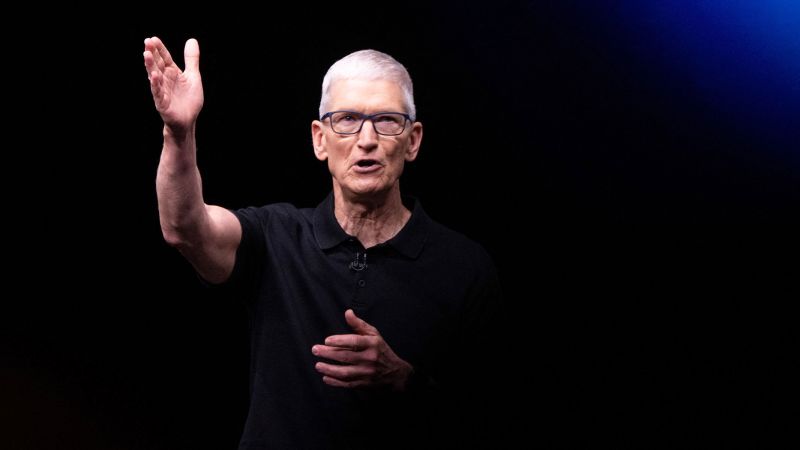
Apple knows it has a Siri – As Tim Cook prepares for his final major appearance as Apple’s CEO, the tech giant is set to unveil significant updates to its digital assistant, Siri, during the upcoming Worldwide Developers Conference. This move comes amid growing investor pressure for clarity on Apple’s AI ambitions, which have lagged behind competitors like Google and OpenAI. The new Siri, expected to debut on Monday, may represent a turning point for Apple as it seeks to align its voice-activated tool with the rapid advancements in artificial intelligence. With the assistant now over a decade old, the upgrades could bridge the gap between its current capabilities and the sophisticated features of rivals such as ChatGPT and Gemini.
Apple’s AI Ambitions and the Siri Overhaul
For years, Apple has been criticized for its slow adoption of AI technologies. While the company has introduced features like speech translation, screen search, and custom emoji creation under its Apple Intelligence umbrella, these tools have not yet captured widespread attention. Analysts argue that Apple’s AI offerings remain unremarkable compared to the task-automating agents developed by Google and OpenAI, which can handle complex operations with minimal user input. “Apple hasn’t done anything that really blows people away,” noted Gene Munster, cofounder of Deepwater Asset Management, highlighting the need for a more transformative approach.
“They’re not going to mess it up. They’ve got too much at stake to drop the ball.” – Gene Munster, Deepwater Asset Management
The anticipated Siri refresh is seen as a critical opportunity for Apple to reclaim its position in the AI race. Bloomberg reports that the upgraded assistant may gain the ability to perform multiple tasks with a single command, featuring a chatbot-style interface and enhanced functionality. These changes could position Siri as a more versatile tool for users, who are increasingly relying on AI for everyday activities such as scheduling, messaging, and data analysis. The improvements are expected to be powered by models developed in collaboration with Google, a partnership announced in January that analysts believe will elevate Siri’s performance to new heights.
A Strategic Shift in AI Development
Apple’s collaboration with Google signals a strategic pivot in its AI strategy. Anurag Rana, a senior equity analyst at Bloomberg Intelligence, praised the Gemini models as “just on a tear,” emphasizing their recent success in various AI applications. By integrating these advanced models, Apple aims to enhance Siri’s ability to understand context, process information, and interact more naturally with users. This partnership could also address concerns about Apple’s reliance on its own AI models, which have been perceived as less capable than those from competitors.
However, the delays in Siri’s evolution have raised questions about Apple’s commitment to AI innovation. Features announced in 2024, such as improved voice recognition and multi-tasking capabilities, have yet to materialize, leaving users to wonder if the company’s plans are on track. Despite these setbacks, Apple’s extensive ecosystem of 2.5 billion devices offers a unique advantage. The company’s global reach could enable it to rapidly deploy new AI features across iPhones, iPads, Macs, and Apple Watches, potentially giving it an edge in the market.
The Road Ahead: Transitioning to a New Leadership Era
With Cook stepping down as CEO in September and transitioning to the role of executive chairman, the focus will shift to incoming leader John Ternus. Ternus, who currently manages Apple’s hardware engineering, faces the challenge of steering the company’s AI strategy forward. Investors and analysts have scrutinized Apple’s approach to AI during earnings calls, particularly as iPhone sales remain strong but Wall Street demands more clarity on how the company plans to leverage AI for long-term growth.
Apple’s current AI tools, while functional, have struggled to differentiate themselves. The Apple Intelligence suite, which includes features like translation, screen search, and emoji generation, is seen as a modest step in the right direction. Yet, compared to the comprehensive AI agents offered by Google and OpenAI, these tools feel limited in scope. This perception has led to skepticism about Apple’s ability to compete in the AI space, with some experts questioning whether the company’s conservative approach will hinder its progress.
A Test for Apple’s Innovation
The success of the new Siri will serve as a litmus test for Apple’s ability to innovate in the AI era. If the assistant delivers on its promises, it could redefine how users interact with their devices and reinforce Apple’s position as a leader in smart technology. However, if the updates fall short of expectations, the company may face renewed criticism for its AI ambitions. Analysts like Rana and Munster are closely watching the rollout, with Rana suggesting that Apple’s existing user base could be a key asset in driving adoption.
Meanwhile, the broader implications of AI integration extend beyond Siri. As more consumers use chatbots and AI agents for tasks like email management and calendar scheduling, Apple’s ability to adapt will determine its relevance in the evolving tech landscape. The company’s decision to partner with Google on Siri’s underlying models may also signal a willingness to embrace external expertise, a shift that could influence its future AI initiatives. With the competition intensifying, Apple has little room for error, and the upcoming WWDC could be a defining moment for its digital assistant.
Setting the Stage for the Future
As the tech world waits for Apple’s announcements, the focus remains on how the company plans to transform its products. The new Siri, with its potential for multi-tasking and chatbot-like interaction, could be the catalyst for a broader reimagining of Apple’s software ecosystem. Analysts are particularly interested in whether the assistant will integrate seamlessly with other Apple services, such as iCloud and the App Store, to create a more unified user experience.
For Apple, the challenge is not just about catching up with competitors but about surpassing them. The company’s history of turning emerging technologies into mainstream products suggests that it has the capability to do so, provided it addresses the gaps in its AI strategy. The upcoming updates may also serve as a foundation for future innovations, such as advanced personalization or predictive analytics, that could further solidify Apple’s position in the AI market. With the pressure mounting and the stakes high, the question is whether Apple’s reimagined Siri will be the breakthrough it needs or another step in a long journey toward AI leadership.
Ultimately, the success of this overhaul hinges on how well Apple balances innovation with usability. While the new features may be impressive, they must also deliver real value to users. The company’s ability to achieve this will determine if it can reclaim its status as a pioneer in AI or if it will continue to trail behind. As the Worldwide Developers Conference approaches, the tech industry is holding its breath, anticipating a bold move from Apple that could reshape the future of digital assistants.
