
Do you live near a data center? Tell us what it’s like
Do you live near a data center? Tell us what it’s like
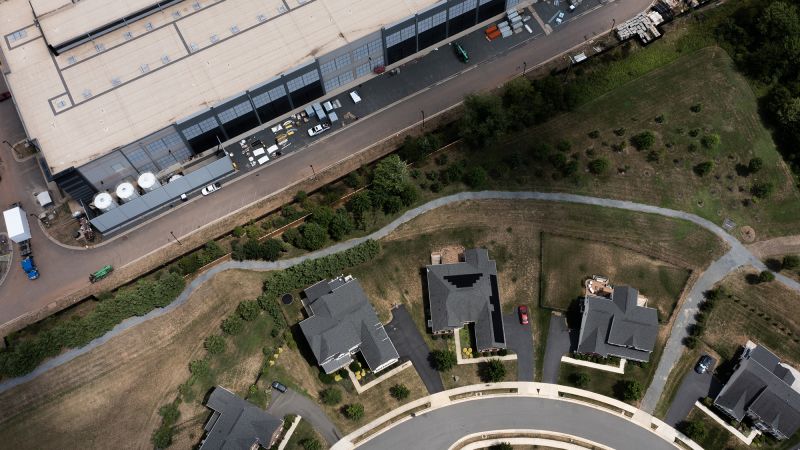
Do you live near a data – As the demand for computational power surges, the United States is witnessing a rapid expansion of data center construction. These facilities, which serve as the backbone for artificial intelligence and the storage of digital content, are now being built in communities across the country. The tech sector argues that such developments are crucial for maintaining America’s competitive edge in the global AI landscape. Yet, this progress has sparked a wave of skepticism among residents, who are questioning the long-term effects of these massive infrastructure projects.
The Push for AI Infrastructure
With the rise of artificial intelligence, the need for robust data storage and processing capabilities has skyrocketed. Tech giants and startups alike are investing heavily in data centers to fuel advancements in machine learning, cloud computing, and real-time data analysis. These centers not only house servers but also require significant cooling systems, power grids, and physical space, prompting a surge in construction activity. According to industry reports, the number of new data centers in the U.S. has grown exponentially in recent years, driven by the increasing volume of digital content and the pressure to outpace international competitors in AI innovation.
Companies and policymakers often highlight the economic benefits of these projects, including job creation and local tax revenue. However, the long-term environmental and social impacts remain a point of debate. While some communities see data centers as a boon for economic growth, others are raising concerns about noise pollution, energy consumption, and the strain on local resources. This divide has led to a growing movement of citizens challenging the expansion of AI infrastructure, even as the tech sector emphasizes its necessity for national competitiveness.
Neighbors Weigh In on the Impact
Residents living near data centers are now at the forefront of this conversation, sharing their experiences with the public and media outlets. Many describe the encroachment of these facilities as a disruption to their daily lives. Some report constant hum of machinery, increased traffic, and higher utility bills, while others worry about the environmental toll of hosting servers that run 24/7. These firsthand accounts are becoming a critical component in shaping public perception of the tech industry’s growth.
One local resident, who requested anonymity, stated, “It’s like having a factory in your backyard. The noise never stops, and the heat from the cooling systems is unbearable during summer. We didn’t ask for this when we moved here.” Such sentiments are echoed in various towns where data centers have recently been constructed. In some cases, communities have even organized protests or petition drives to halt projects, citing the lack of adequate consultation with local residents before approvals were granted.
Meanwhile, proponents of the data center boom argue that these facilities are essential for driving technological progress. “These centers are the foundation of the digital economy,” said a spokesperson for a major tech firm. “Without them, we wouldn’t be able to support the AI applications that are transforming industries, healthcare, and education.” Despite these assurances, many residents remain unconvinced, emphasizing the need for transparency and long-term planning. They question whether the benefits of AI innovation will outweigh the disruptions to their neighborhoods.
Environmental and Economic Trade-Offs
As data centers expand, their environmental footprint has come under scrutiny. These facilities consume vast amounts of electricity, with some estimates suggesting they account for a significant portion of the nation’s energy use. The reliance on fossil fuels for power generation has raised alarms about carbon emissions and the strain on local ecosystems. In response, several companies have pledged to use renewable energy sources for their operations, but critics argue that this shift is not yet enough to mitigate the overall impact.
Environmental concerns are not the only issue. The construction of these centers has also led to debates over land use and urban development. Some argue that the land dedicated to data centers could be repurposed for housing or green spaces. Others counter that the economic opportunities and tech-driven growth justify the space consumption. “We’re trading open fields for concrete,” said a community leader in a recent town hall meeting. “But the jobs and infrastructure that come with it are tangible benefits.”
Additionally, the issue of water usage has emerged as a key point of contention. Data centers require large quantities of water for cooling systems, placing pressure on local water supplies. In regions already facing drought conditions, this has sparked fears of resource depletion. Environmental groups are now calling for stricter regulations on water consumption, while industry representatives insist that efficient technologies are being implemented to minimize waste.
CNN’s Efforts to Understand the Impact
CNN is spearheading an initiative to gather insights from those directly affected by the data center expansion. By engaging with residents, the network aims to highlight both the opportunities and challenges posed by this development. Their goal is to present a balanced view of how these facilities are reshaping communities, from economic growth to environmental concerns.
“We want to hear from people who are living with these changes,” said a CNN editor. “Their stories will help us understand the human side of this technological shift.” Through interviews and surveys, CNN is exploring how data centers influence everything from property values to public health. This effort underscores the importance of local perspectives in evaluating the broader implications of AI-driven infrastructure.
The network’s coverage also delves into the regulatory landscape surrounding data center construction. Some states have introduced legislation to streamline the approval process, while others are imposing stricter guidelines to address community concerns. These varying approaches reflect the complexity of balancing innovation with public welfare. As the conversation evolves, the voices of residents will play a vital role in shaping the future of AI infrastructure in America.
With the U.S. on the brink of a major tech transformation, the tension between progress and preservation is intensifying. The data centers that power artificial intelligence are not just technical marvels—they are also catalysts for social and environmental change. Whether these projects will be seen as a step forward or a setback depends on how well the tech industry can address the concerns of those who live nearby. For now, the question remains: Will the benefits of AI innovation outweigh the costs to local communities?
