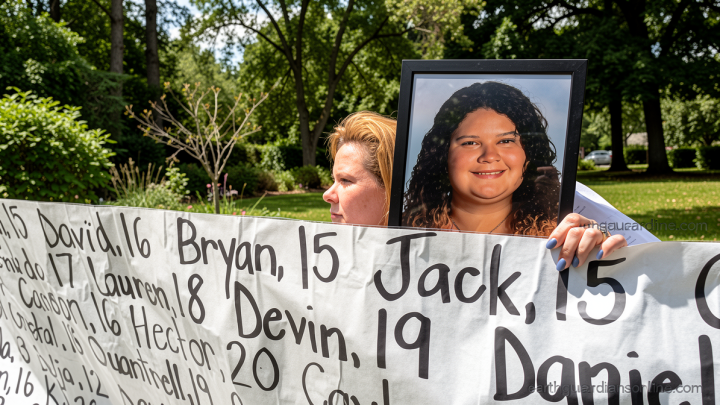
Meta is back in the courtroom to face its biggest social media addiction trial yet

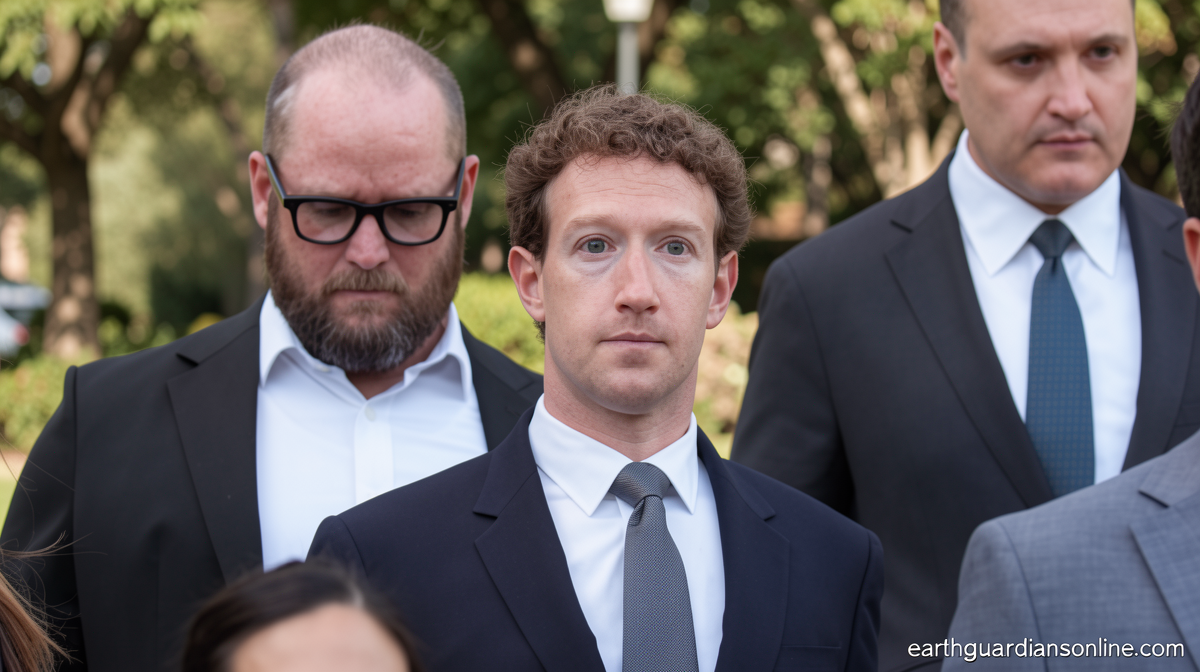
Meta Is Back in Court for Addiction Trial
Earthguardiansonline.com – Meta is back in the courtroom in Oakland, California, where four state attorneys general opened what may become the defining social-media liability case of the decade. The trial traces to a coordinated lawsuit filed in 2023 by 29 state attorneys general and centers on a deceptively simple question: did the company deliberately engineer its social networks to keep children and teenagers scrolling while telling parents, lawmakers, and the public the platforms were safe? A ruling for the states could reshape how every major platform designs products for young users.
How the Case Reached Trial
The original 2023 complaint accused the tech giant of three interlocking wrongs. First, the states alleged that recommendation algorithms, infinite-scroll feeds, “like” buttons, and push notifications were not incidental design choices but intentional addiction mechanisms built to maximize time-on-platform and, by extension, advertising revenue. Second, they claimed the company repeatedly told Congress, the press, and ordinary users that Instagram and Facebook were safe for minors even while internal research documented frequent “bad, even traumatic experiences” among young users. Third, the complaint alleged that the platform harvested personal data from users under age 13 without obtaining parental consent, in violation of the Children Online Privacy Protection Act (COPPA), a 1998 statute requiring verifiable parental permission before collecting children’s data.
Of the 29 original plaintiff states, four — California, Colorado, Kentucky, and New Jersey — are proceeding to trial this week. Megan O’Neill, a deputy attorney general in the California Department of Justice, delivered the states’ opening statements, framing the ad-supported business model as one that depends on harvesting young people’s behavioral data and building features specifically calibrated to hook them.
“Meta needed kids, and it needed to reassure the people who cared about them that their kids were safe,” O’Neill told the court during opening statements. “So Meta told the media, it told Congress, it told its users, it told parents, that Instagram and Facebook were safe for kids, that it prioritized kids’ safety and well-being.”
O’Neill pointed to an internal document she described as titled “the young ones are the best ones,” which she said captured the company’s strategic focus on attracting and retaining the youngest possible user base. She also indicated that the states intend to call executives to the stand, including chief executive Mark Zuckerberg.
The Defense and the Financial Stakes
The company has pushed back on every element of the complaint. In a statement issued Monday, a spokesperson called the allegations “unsubstantiated” and described the proposed financial penalty as “vastly disproportionate.” The spokesperson added that the states “offer no proof anyone in their states was misled,” that they “claim benign features like having an additional Instagram account somehow harmed their residents,” and that they “attempt to penalize Meta for industry-wide challenges like age verification.” The spokesperson concluded: “Rather than sticking to the facts or the law, the states have instead decided to chase an outlandish payout.”
In the proceedings, defense lawyers are expected to argue that the states’ case misrepresents actual platform policies and fails to demonstrate concrete, real-world harm. The company also invokes two major legal shields: Section 230 of the Communications Decency Act, which generally bars suits against online platforms for third-party user content, and the First Amendment’s free-speech protections. On the COPPA prong, the defense contends the states’ theory of liability does not fit the statute’s requirements.
The dollar figure at issue dwarfs anything previously awarded in social-media addiction litigation. The company has already lost two separate cases of this type, accumulating just under $1 billion in total damages. But the four states in this trial collectively seek as much as $1.4 trillion — a sum nearly equal to the company’s entire market capitalization on Wall Street. Even if a court scales the award down dramatically, the states are also requesting injunctive relief: a court order compelling design changes, notification limits, or data-collection restrictions for users under a certain age. Thousands of individual lawsuits alleging that major platforms have addicted and harmed young users continue to move through courts nationwide, adding further pressure on the industry.
Frequently Asked Questions
What exactly are the four states suing Meta over? California, Colorado, Kentucky, and New Jersey allege the company designed addictive features for minors, misrepresented platform safety to parents and regulators, and collected under-13 user data without parental consent in violation of COPPA.
How much money is at stake? The four states collectively seek up to $1.4 trillion in damages, along with injunctive relief that would force structural changes to how the platforms operate for young users.
What legal defenses is the company raising? The defense relies on Section 230 of the Communications Decency Act, First Amendment free-speech protections, and an argument that the states’ COPPA theory does not satisfy the statute’s elements.
Will Mark Zuckerberg testify? The states indicated during opening statements that they intend to call the company’s chief executive to the stand, though the exact schedule has not been finalized.